Throughout the Bible, sin is presented as a significant barrier between humanity and God. While all sin separates us from God, some are viewed as more severe than others. Understanding what constitutes the worst sin can help us grasp the gravity of our actions and the nature of God’s forgiveness.
Many theologians and biblical scholars often point to the sin of blasphemy against the Holy Spirit as the worst sin in the Bible. This perspective is largely based on passages found in the Gospels, particularly in Matthew 12:31-32, where Jesus states, “Every sin and blasphemy can be forgiven, except blasphemy against the Holy Spirit.” This statement raises questions about what exactly this sin entails and why it is considered so serious.
Understanding Blasphemy Against the Holy Spirit
The term “blasphemy” generally refers to speaking disrespectfully about God or sacred things. In the context of the Holy Spirit, blasphemy involves a willful and conscious rejection of the Holy Spirit’s work and influence. Jesus spoke these words in response to the Pharisees, who attributed His miraculous works to the power of Satan rather than recognizing the Holy Spirit’s role. This act of attributing God’s work to evil demonstrates a hardened heart and a refusal to acknowledge the truth.
Context of the Statement
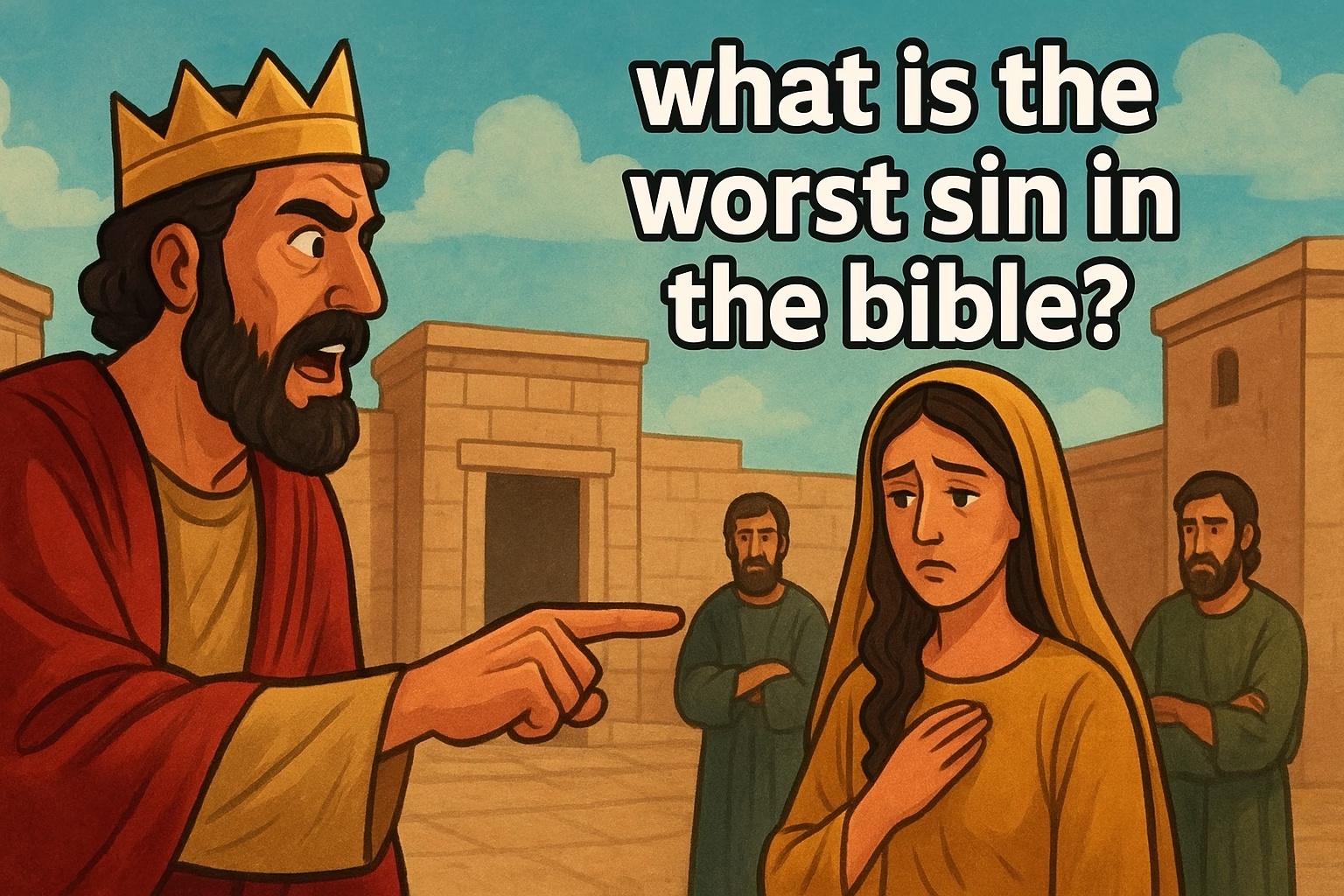
To fully understand the seriousness of this sin, it’s essential to look at the surrounding context. In Matthew 12, Jesus had just healed a demon-possessed man, and the Pharisees accused Him of casting out demons by the power of Beelzebul, the prince of demons. This accusation was not merely a misunderstanding; it was a deliberate attempt to undermine the work of the Holy Spirit. By rejecting the evident goodness and divine authority of Jesus, the Pharisees showed a profound unwillingness to accept the truth of God’s kingdom.
The Implications of Blasphemy
Blasphemy against the Holy Spirit is seen as an unforgivable sin because it reflects a complete rejection of God’s grace and truth. When an individual knowingly and willfully dismisses the work of the Holy Spirit, they effectively close the door to repentance and forgiveness. This persistent state of unbelief and rejection can lead to spiritual death, as the person distances themselves from the only source of salvation.
Other Serious Sins in the Bible
While blasphemy against the Holy Spirit is often considered the worst sin, the Bible outlines several other serious offenses that carry significant consequences. Understanding these can provide additional context for what constitutes a grave sin in the eyes of God.
Idolatry
Idolatry, or the worship of false gods, is repeatedly condemned throughout Scripture. In Exodus 20:3-5, God commands His people to have no other gods before Him and warns against making idols. This sin is particularly severe because it directly contradicts the first commandment and represents a betrayal of the covenant relationship between God and His people. Idolatry leads to spiritual adultery and a turning away from the one true God.
Murder
Murder is another serious sin highlighted in the Bible. In the Ten Commandments, God explicitly states, “You must not murder” (Exodus 20:13). The act of taking an innocent life goes against God’s design for humanity and reflects a disregard for the sanctity of life. Jesus expands on this in Matthew 5:21-22, teaching that even harboring anger or contempt toward others can be equated with murder in the heart.
Sexual Immorality
Sexual immorality is also addressed extensively in the Bible. Passages such as 1 Corinthians 6:18 advise believers to flee from sexual sin, emphasizing its unique nature because it is a sin against one’s own body. Sexual immorality encompasses various behaviors that violate God’s design for sexuality and relationships, and it can lead to deep emotional and spiritual consequences.
The Nature of Sin and Forgiveness
It is important to recognize that while some sins are categorized as more severe, all sin is serious in the eyes of God. Romans 3:23 states, “For everyone has sinned; we all fall short of God’s glorious standard.” This universal truth highlights the need for repentance and the grace offered through Jesus Christ. The good news is that no matter the sin, God’s grace is available to all who genuinely seek forgiveness.
In the parable of the prodigal son (Luke 15:11-32), we see a powerful illustration of God’s forgiveness and love. The son squandered his inheritance and lived a life of sin, yet when he returned home, his father welcomed him with open arms. This story emphasizes that there is no sin too great for God’s mercy, as long as there is a repentant heart willing to turn back to Him.
In summary, while blasphemy against the Holy Spirit is often regarded as the worst sin due to its implications of total rejection of God’s truth, other serious sins such as idolatry, murder, and sexual immorality are also significant. Each of these sins carries weight and consequences, but the overarching message of the Bible is one of redemption and hope for all who turn to God in repentance.
The Consequences of Sin
Understanding the consequences of sin is crucial in grasping its seriousness. The Bible teaches that sin leads to spiritual separation from God. In Isaiah 59:2, it states, “It’s your sins that have cut you off from God.” This separation can manifest in various ways, including emotional turmoil, relational strife, and a sense of purposelessness. Sin not only affects the individual but can also have ripple effects on families, communities, and even nations.
In the New Testament, the Apostle Paul elaborates on the consequences of sin in Romans 6:23, where he writes, “For the wages of sin is death.” This death is not solely physical but encompasses spiritual death, which is eternal separation from God. This stark warning emphasizes the seriousness of sin and the urgent need for reconciliation through Christ.
The Role of Repentance
Repentance is a central theme in the Bible, serving as the bridge between sin and forgiveness. To repent means to turn away from sin and turn toward God. In Acts 3:19, Peter calls for repentance, stating, “Now repent of your sins and turn to God, so that your sins may be wiped away.” This act of turning is not merely a one-time event but a continuous process of seeking God and aligning one’s life with His will.
Repentance is vital because it acknowledges the wrongness of sin and recognizes God’s authority. It is also a demonstration of faith, as it involves trusting in God’s promise of forgiveness. In 1 John 1:9, we are reminded, “If we confess our sins, he is faithful and just to forgive us our sins and to cleanse us from all wickedness.” This assurance highlights that while some sins are more severe, God’s grace and forgiveness are available to all who sincerely repent.
Sin and the Human Condition
The Bible presents sin as a fundamental aspect of the human condition. From the fall of Adam and Eve in Genesis to the struggles of believers today, sin is depicted as a pervasive force that affects everyone. This reality underscores the importance of understanding sin not only as individual acts but as a condition that requires divine intervention.
In Romans 7:15-20, Paul describes his own struggle with sin, illustrating the internal conflict that many believers experience. He acknowledges that even when he desires to do good, sin is present within him. This passage highlights the need for reliance on the Holy Spirit to overcome sin and live according to God’s will. It serves as a reminder that while we strive to avoid sin, we are also called to lean on God’s strength for victory.
Exploring the Unforgivable Sin
Delving deeper into the concept of the unforgivable sin, many wonder if they have committed it. The fear of blaspheming the Holy Spirit can lead to anxiety for some believers. However, it is essential to recognize that those who are concerned about having committed this sin are often showing signs of a sensitive heart towards God. The very act of concern or remorse indicates an openness to the Holy Spirit’s work.
Understanding that blasphemy against the Holy Spirit involves a persistent, willful rejection of God’s truth can provide clarity. It is a state of being where one continually refuses to acknowledge the Holy Spirit’s work in their life. Therefore, if one is questioning their state before God and seeking forgiveness, it is unlikely they have committed this unforgivable sin. God’s desire is for all to come to repentance and receive His grace.
The Hope of Restoration
The overarching narrative of the Bible is one of redemption and hope. Regardless of the severity of one’s sins, the message of the Gospel is that restoration is possible through Jesus Christ. In John 3:16, we find the foundational truth that “For God so loved the world that he gave his one and only Son, so that everyone who believes in him will not perish but have eternal life.” This promise of eternal life is a direct response to humanity’s sinfulness and the separation it causes.
Stories of transformation abound throughout Scripture, showcasing God’s ability to redeem those who have fallen into serious sin. Consider the story of King David, who committed adultery and orchestrated murder yet found forgiveness through genuine repentance. His journey illustrates that even the gravest of sins can be forgiven when one turns back to God with a contrite heart.
Conclusion
In conclusion, while blasphemy against the Holy Spirit is often regarded as the worst sin due to its implications of total rejection of God’s truth, it is crucial to remember that all sin is serious and carries consequences. The Bible provides a clear picture of the need for repentance and the hope found in God’s grace. Understanding the nature of sin, the importance of repentance, and the promise of forgiveness can lead individuals toward a deeper relationship with God, emphasizing that there is no sin too great for His mercy.
For further insights on the nature of sin and the hope of forgiveness, you can explore this article on understanding sin and this article about God’s grace. Both resources delve deeper into the implications of sin and the transformative power of God’s love.