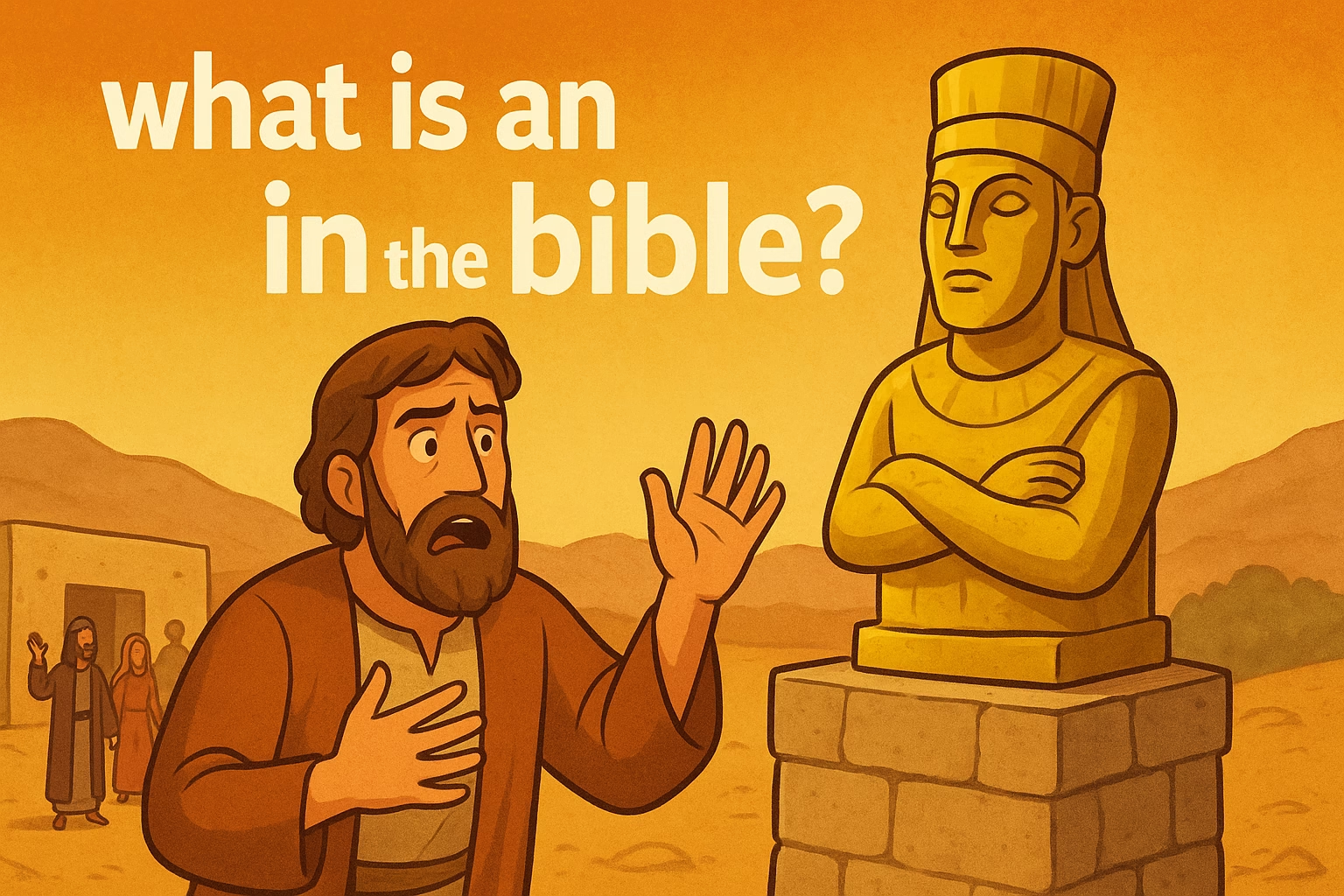
In the Bible, the concept of an idol carries significant spiritual and moral implications. Understanding what constitutes an idol is crucial for grasping the biblical narrative and the relationship between God and humanity. This article will explore the definition of an idol in the biblical context, examining key scriptures and their meanings.
In simple terms, an idol is anything that takes the place of God in a person’s heart or life. This can include physical objects, ideas, or even people that are worshipped or revered instead of God. The Bible addresses idols in both the Old and New Testaments, emphasizing the dangers of idolatry and the call to worship the one true God.
Idols in the Old Testament
The Definition and Nature of Idols
In the Old Testament, idols are often described as man-made objects that represent false gods. The Israelites encountered various cultures that worshipped these idols, which were typically made from wood, stone, or metal. For instance, in Exodus 20:4-5, God commands, “You must not make for yourself an idol in the form of anything in heaven or on the earth or in the sea. You must not bow down to them or worship them.” This commandment highlights the prohibition against creating physical representations of God or other deities.
Examples of Idolatry
One of the most notable examples of idolatry in the Old Testament is the golden calf incident in Exodus 32. While Moses was on Mount Sinai receiving the Ten Commandments, the Israelites grew impatient and asked Aaron to make them a god. He fashioned a golden calf, and the people worshipped it, saying, “These are your gods, O Israel, who brought you up out of Egypt” (Exodus 32:4). This act of idolatry provoked God’s anger, demonstrating the seriousness of turning away from Him to worship created things.
Spiritual Implications of Idolatry
Idolatry is not merely about physical objects; it reflects a deeper spiritual issue. In Isaiah 44:9-20, the prophet critiques idol makers, highlighting the absurdity of worshipping something they themselves created. He points out that the wood used to make idols is the same material that is used to cook food. This illustrates the foolishness of placing trust in something powerless instead of the living God.
Idols in the New Testament
Broader Understanding of Idolatry
In the New Testament, the understanding of idolatry expands beyond physical idols to include anything that takes precedence over God. The Apostle Paul writes in Colossians 3:5, “So put to death the sinful, earthly things lurking within you. Have nothing to do with sexual immorality, impurity, lust, and evil desires. Don’t be greedy, for a greedy person is an idolater, worshipping the things of this world.” Here, Paul equates greed and desire for material possessions with idolatry, indicating that anything that draws our hearts away from God can become an idol.
The Call to True Worship
Jesus also addressed the issue of idolatry when He spoke to the Samaritan woman at the well in John 4:23-24. He explained that true worshippers will worship the Father in spirit and truth, emphasizing that God desires a genuine relationship rather than ritualistic practices. This shift from external idol worship to internal devotion signifies a profound transformation in how believers are called to engage with God.
Modern Idols
Identifying Contemporary Idols
In today’s context, idols can take various forms. They may not be physical statues, but they can include things like fame, wealth, relationships, or even personal ambitions. Anything that occupies the central place in our lives that rightfully belongs to God can be considered an idol. For example, a person may prioritize their career over their relationship with God, allowing work to become their primary focus and source of identity.
The Danger of Idolatry
The Bible warns of the dangers associated with idolatry. In 1 John 5:21, the Apostle John advises, “Dear children, keep away from anything that might take God’s place in your hearts.” This verse serves as a reminder of the importance of vigilance in our spiritual lives. Idolatry can lead to spiritual blindness and separation from God, as seen in the Israelites’ repeated cycles of turning away from God to worship other gods throughout the Old Testament.
“For the Lord your God is a consuming fire, a jealous God.” (Deuteronomy 4:24)
This verse captures the intensity of God’s desire for exclusive devotion from His people. He longs for a relationship that is undivided and free from distractions that can lead us astray.
Conclusion of Part One
As we delve deeper into the concept of idols in the Bible, it becomes clear that idolatry is not just about physical objects but encompasses a broader spiritual reality. Understanding what constitutes an idol helps believers navigate their faith with a clearer focus on God. In the following section, we will explore how to recognize and combat idolatry in our lives, as well as the steps we can take to ensure that our worship remains directed solely toward God.
Recognizing Idols in Our Lives
Identifying idols in our own lives can be challenging, as they often masquerade as benign interests or priorities. To recognize what we may be placing above God, we can ask ourselves a few reflective questions. What do we think about most often? What do we turn to for comfort in difficult times? What motivates our decisions and actions? These questions help uncover potential idols that may have taken root in our hearts.
The Role of Self-Examination
Self-examination is essential in the fight against idolatry. In Psalm 139:23-24, the psalmist invites God to search his heart and reveal any offensive way within him. This practice of inviting God to reveal hidden idols can help believers become more aware of their priorities and motivations. It encourages a posture of humility and openness to God’s guidance.
Community Accountability
Another effective way to identify and combat idolatry is through community accountability. Engaging with fellow believers can provide support and perspective. When we share our struggles and priorities with trusted friends or mentors, they can help us see patterns that we might overlook. In Proverbs 27:17, it states, “As iron sharpens iron, so one person sharpens another.” This mutual encouragement can be a powerful tool in maintaining focus on God.
Combating Idolatry
Turning Back to God
If we recognize that something has become an idol in our lives, the first step is to turn back to God with repentance. This involves acknowledging our misplaced priorities and seeking His forgiveness. In 1 John 1:9, we are reminded that if we confess our sins, He is faithful and just to forgive us and purify us from all unrighteousness. This act of confession restores our relationship with God and helps realign our hearts toward Him.
Replacing Idols with Godly Practices
Once we identify and confess our idols, it is essential to actively replace them with godly practices. This could involve dedicating more time to prayer, Bible study, or serving others. Acts of worship can help refocus our hearts and remind us of God’s sovereignty. In Romans 12:1, Paul urges believers to offer their bodies as a living sacrifice, holy and pleasing to God, which is their true and proper worship. Such practices can help cultivate a deeper relationship with God.
Theological Insights on Idolatry
The Nature of God as Jealous
Understanding the nature of God is crucial in the discussion of idolatry. The Bible describes God as a jealous God (Exodus 20:5). This jealousy is not petty or selfish; rather, it reflects His desire for an exclusive relationship with His people. God knows that turning to idols leads to spiritual emptiness and dissatisfaction. Thus, His jealousy stems from His love and longing for us to experience the fullness of life found in Him alone.
The Consequences of Idolatry
The consequences of idolatry are significant. Scripture illustrates that turning away from God can lead to various forms of spiritual and physical destruction. In Ezekiel 14:6, God calls His people to repent and turn from their idols, emphasizing that their turning away has led to their downfall. This serves as a warning that idolatry can lead to separation from God and the blessings that come from being in right relationship with Him.
Idolatry in Cultural Contexts
Idolatry is not confined to ancient practices; it manifests in various forms in today’s culture. For example, consumerism can become an idol when the pursuit of material possessions overshadows our relationship with God. Similarly, the idolization of celebrities or political figures can distract us from our devotion to God. Recognizing these cultural idols requires discernment and a commitment to evaluate our values against biblical teachings.
The Call to Influence
As believers, we are called to influence our culture positively by pointing others to God. In Matthew 5:14-16, Jesus calls His followers the light of the world, urging them to shine brightly so that others may see their good deeds and glorify the Father in heaven. This mission involves not only resisting the allure of modern idols but also encouraging others to seek the true source of fulfillment found in God.
Conclusion
Understanding what constitutes an idol in the Bible is crucial for maintaining a healthy relationship with God. Idolatry is not just about physical objects; it encompasses anything that takes priority over God in our lives. Through self-examination, community accountability, and a commitment to worship, believers can combat idolatry and cultivate a deeper relationship with God. By turning away from idols and toward the living God, we can experience the fullness of life He offers, free from distractions that lead us astray.
For further insights on navigating idolatry in our lives, you can explore more about understanding spiritual challenges in this article and learn how to strengthen your faith through prayer in this resource.