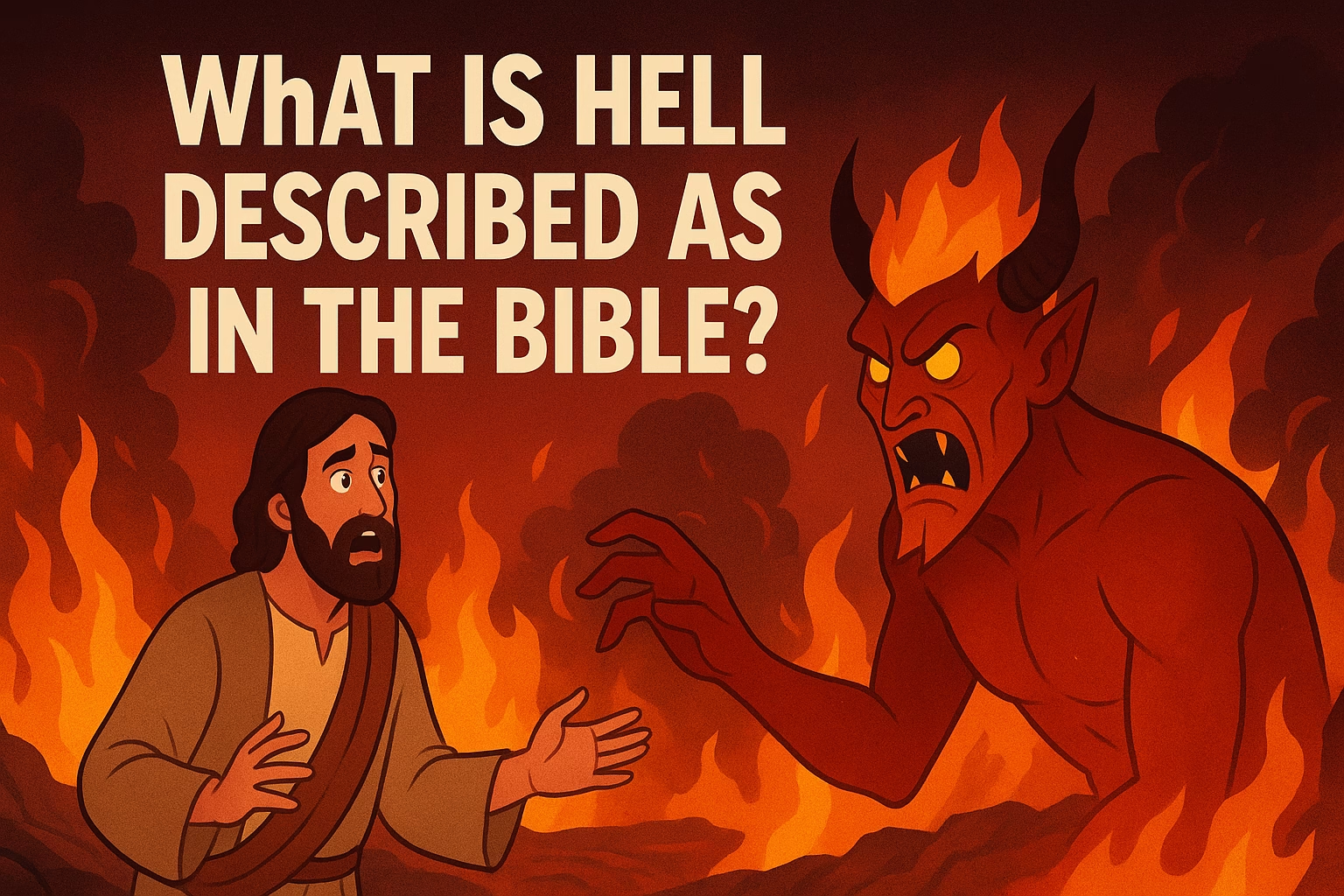
Many people have questions about the concept of hell as described in the Bible. This topic can be complex and often evokes strong emotions. By examining various Scripture passages, we can gain a clearer understanding of what the Bible teaches about hell, its purpose, and what it signifies for humanity.
The Bible presents hell as a place of punishment for the wicked and those who reject God’s ways. It is often depicted using vivid imagery and metaphors, which reflect the severity of its nature. Let’s explore the Biblical descriptions of hell in more detail.
Gehenna: The Valley of Hinnom
One of the most significant terms used for hell in the New Testament is “Gehenna.” This term originates from the Valley of Hinnom, a location outside Jerusalem known for its association with child sacrifice and as a garbage dump. In this valley, fires burned continuously, consuming waste and refuse.
In Mark 9:43-48, Jesus warns about the consequences of sin, stating, “If your hand causes you to stumble, cut it off; it is better for you to enter life maimed than with two hands to go into hell, where the fire never goes out.” This passage emphasizes the unending nature of the suffering associated with hell, likening it to the perpetual flames of Gehenna.
The Lake of Fire
The Book of Revelation provides another vivid image of hell in the form of the “lake of fire.” Revelation 20:14-15 describes the final judgment, stating that “the lake of fire is the second death.” This imagery conveys a sense of ultimate separation from God and eternal punishment.
In this context, the lake of fire serves as a final destination for Satan, his followers, and those whose names are not found in the Book of Life. The idea of the second death reinforces the concept that hell is not merely a temporary state but a permanent separation from God’s presence.
Outer Darkness
Another description of hell found in the Bible is “outer darkness.” In Matthew 8:12, Jesus speaks of people being thrown into outer darkness, where there will be “weeping and gnashing of teeth.” This phrase suggests a profound sense of despair and regret, indicating that those in hell experience not just physical torment but also emotional suffering.
The imagery of darkness can symbolize the absence of God’s light and presence. In the Bible, God is often associated with light, love, and life. Therefore, being cast into outer darkness signifies a complete separation from those divine attributes.
Destruction and Eternal Punishment
The Bible also speaks about hell in terms of destruction and eternal punishment. In Matthew 25:46, Jesus states, “And they will go away into eternal punishment, but the righteous will go into eternal life.” This verse emphasizes that hell is not only a place of temporary suffering but one of everlasting consequence.
Some interpretations suggest that the term “destruction” implies annihilation, meaning that the souls of the wicked cease to exist. However, traditional interpretations lean toward the understanding that hell involves ongoing punishment rather than annihilation. This distinction is crucial when examining the nature of hell as described in Scripture.
Symbolism and Metaphor
It’s important to recognize that many descriptions of hell in the Bible are symbolic or metaphorical. The use of fire, darkness, and torment serves to convey the seriousness of rejecting God and the consequences of sin. While these descriptions are vivid and alarming, they also reflect the gravity of the choices individuals make regarding their relationship with God.
For instance, the flames of hell may not be literal but rather represent the intense suffering that comes from being separated from God, who is the source of all goodness and joy. The emotional anguish of regret and despair may also be symbolized through the imagery of weeping and gnashing of teeth.
The Purpose of Hell
Understanding the purpose of hell is essential for grasping its significance in the Biblical narrative. Hell serves as a place of justice for those who have chosen to reject God’s authority and follow their own path. The concept of divine justice is woven throughout Scripture, emphasizing that God is righteous and just in His dealings with humanity.
In 2 Thessalonians 1:9, Paul writes that those who do not know God and do not obey the gospel of Jesus will face “eternal destruction.” This reinforces the idea that hell is a consequence of free will—the choice to turn away from God and His ways. It is not simply a punishment but a reflection of the ultimate decision to live apart from the Creator.
Final Thoughts on Hell’s Nature
As we explore the descriptions of hell in the Bible, it becomes clear that it is portrayed as a place of severe punishment, separation from God, and eternal consequences for sin. The various images and metaphors used in Scripture serve to underscore the seriousness of spiritual choices and the reality of divine justice. Understanding these descriptions can lead to deeper reflection on the nature of God, sin, and redemption.
The Nature of Suffering in Hell
When considering hell, it is important to understand the nature of suffering described in the Bible. The suffering in hell is often depicted as both physical and spiritual. The references to fire and torment suggest extreme physical pain, while the emotional anguish associated with separation from God adds a profound layer to this suffering.
In Revelation 14:10-11, it is stated that the wicked will experience “torment with fire and sulfur,” and their suffering will ascend “forever and ever.” This imagery communicates an ongoing state of distress, reinforcing that hell is not merely a temporary or fleeting experience. The permanence of hell means that the suffering endured is constant and unending.
Moreover, the emotional suffering in hell is underscored by the idea of regret and despair. The “weeping and gnashing of teeth” mentioned in various passages illustrates the depth of sorrow felt by those who realize the eternal consequences of their choices. The pain of knowing they have rejected God and the life He offers adds to their torment.
Different Views on Hell
The doctrine of hell has been interpreted in various ways within Christianity. While traditional interpretations lean towards the view of eternal conscious punishment, there are alternative perspectives that some Christians hold. These include the concept of annihilationism, which posits that the souls of the wicked cease to exist after judgment, and universalism, which suggests that ultimately all will be reconciled to God.
Each of these views addresses the nature of God’s justice and mercy differently. Annihilationism emphasizes that God is loving and would not subject individuals to eternal suffering. Universalism, on the other hand, highlights God’s grace and the hope of redemption for all, even after death. These interpretations often stem from differing understandings of Scripture, particularly regarding the nature of God’s justice and the final destiny of humanity.
Hell as a Warning
The Biblical descriptions of hell also serve as a warning to humanity. Throughout Scripture, God calls people to repentance and relationship with Him, urging them to turn from sin and embrace His ways. The severe consequences associated with hell act as a deterrent against sin and a call to seek righteousness.
In Matthew 10:28, Jesus warns, “Do not be afraid of those who kill the body but cannot kill the soul. Rather, be afraid of the One who can destroy both soul and body in hell.” This statement emphasizes the importance of spiritual well-being over physical existence and highlights the reality of hell as a serious consequence of rejecting God.
The Role of Faith and Redemption
Understanding hell also leads to a deeper appreciation of the themes of faith and redemption in the Bible. The Gospel message is rooted in the hope of salvation through Jesus Christ. John 3:16 famously states that “God loved the world so much that he gave his one and only Son, so that everyone who believes in him will not perish but have eternal life.” This underscores that while hell is a reality, there is also a path to avoid it through faith in Christ.
Believers are called to share this message of hope, emphasizing that salvation is available to all. The idea of hell highlights the urgency of the Gospel and the importance of evangelism. It is a reminder of the stakes involved in the spiritual journey and the need for individuals to make informed choices regarding their relationship with God.
Contemplating the Justice of God
Another significant aspect of the discussion about hell is the concept of divine justice. The idea that God is just and righteous in His judgments is a foundational belief in Christianity. Hell serves as a manifestation of God’s justice, providing a consequence for unrepentant sin and rebellion against Him.
In Romans 2:6-8, Paul writes that God “will repay each person according to what they have done: to those who by persistence in doing good seek glory, honor, and immortality, he will give eternal life; but for those who are self-seeking and who reject the truth and follow evil, there will be wrath and anger.” This passage indicates that God’s judgments are fair and reflect the choices individuals make in their lives.
Conclusion: The Significance of Hell in the Christian Faith
In summary, the Bible’s descriptions of hell serve multiple purposes within the Christian faith. They highlight the reality of divine justice, the seriousness of sin, and the profound consequences of rejecting a relationship with God. While the imagery can be unsettling, it ultimately points to the need for redemption and the hope found in Jesus Christ.
By contemplating the nature of hell, believers are encouraged to deepen their faith, embrace God’s grace, and share the message of salvation with others. Hell is not merely a theological concept but a critical element that informs the Christian understanding of God’s love, justice, and the urgency of the Gospel.
For further exploration of the implications of hell in Christian theology, consider reading more about the nature of God’s justice and how it relates to our understanding of salvation and eternal life.