Throughout the Bible, the term “threshing floor” appears several times, symbolizing various spiritual and practical concepts. Understanding what a threshing floor is and its significance in biblical times can enrich our appreciation for the Scriptures and the messages they convey.
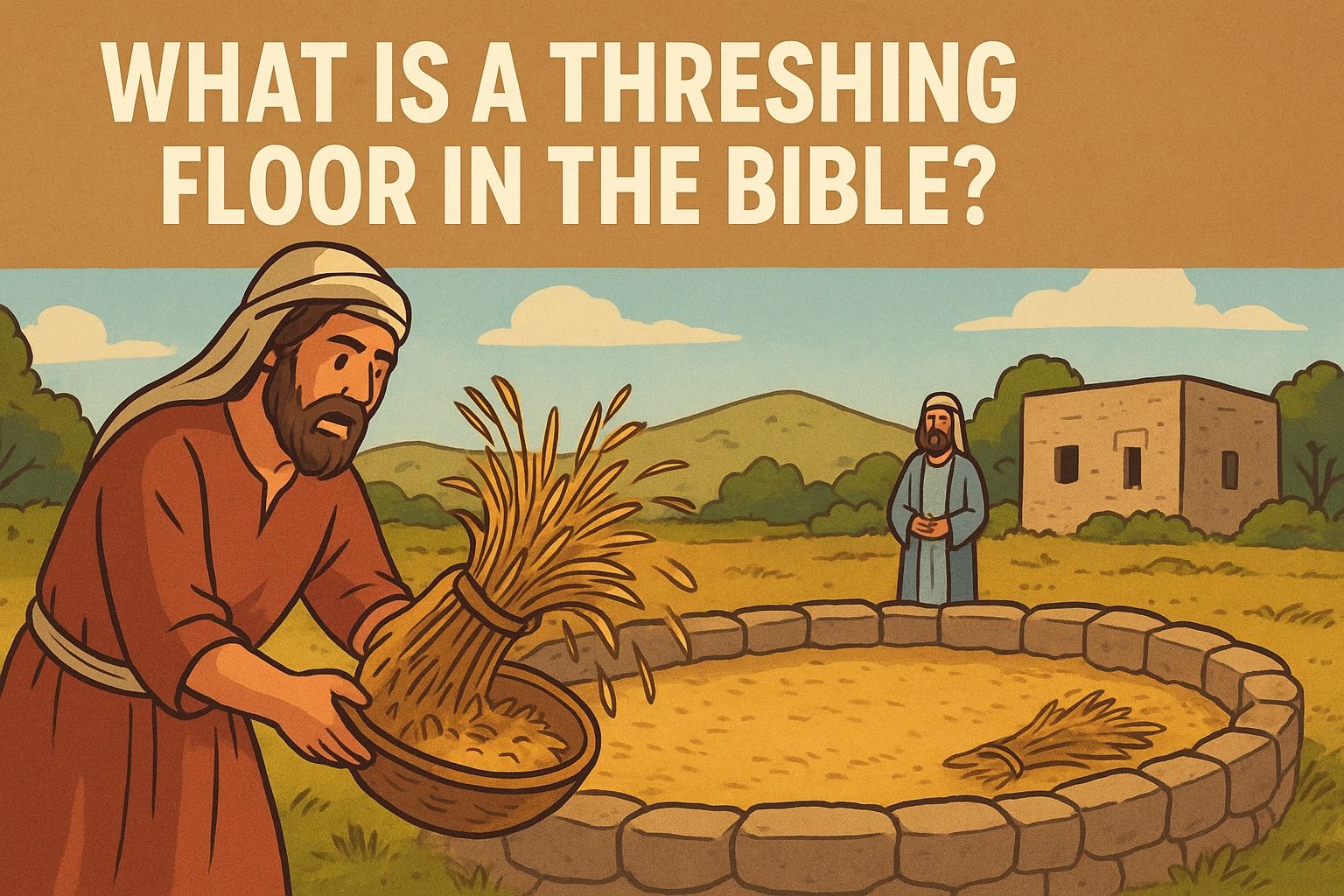
A threshing floor in the Bible refers to a flat surface where farmers would separate grain from the chaff. This process involved using animals to tread on the grain or employing tools to beat the grain, allowing the heavier kernels to fall away from the lighter chaff. Threshing floors were typically located on elevated ground to catch the wind, which would help blow away the chaff after the grain had been separated.
The Practical Use of Threshing Floors
In agricultural societies, threshing floors were essential for the harvest process. After the harvest, farmers needed a space to prepare their grain for storage and consumption. The significance of the threshing floor can be understood through various passages in the Bible that illustrate its practical uses.
The Harvesting Process
In ancient Israel, the harvest season was a time of celebration and hard work. Farmers would gather their crops and bring them to the threshing floor, where they would perform the crucial task of separating the grain. This labor-intensive process was vital for ensuring that food was available for the coming months.
In Deuteronomy 25:4, the Bible states, “You must not muzzle an ox to keep it from eating as it treads out the grain.” This verse not only emphasizes the importance of the threshing floor in the agricultural cycle but also reflects God’s care for His creatures, allowing them to partake in the fruits of their labor.
Threshing Floors and Community
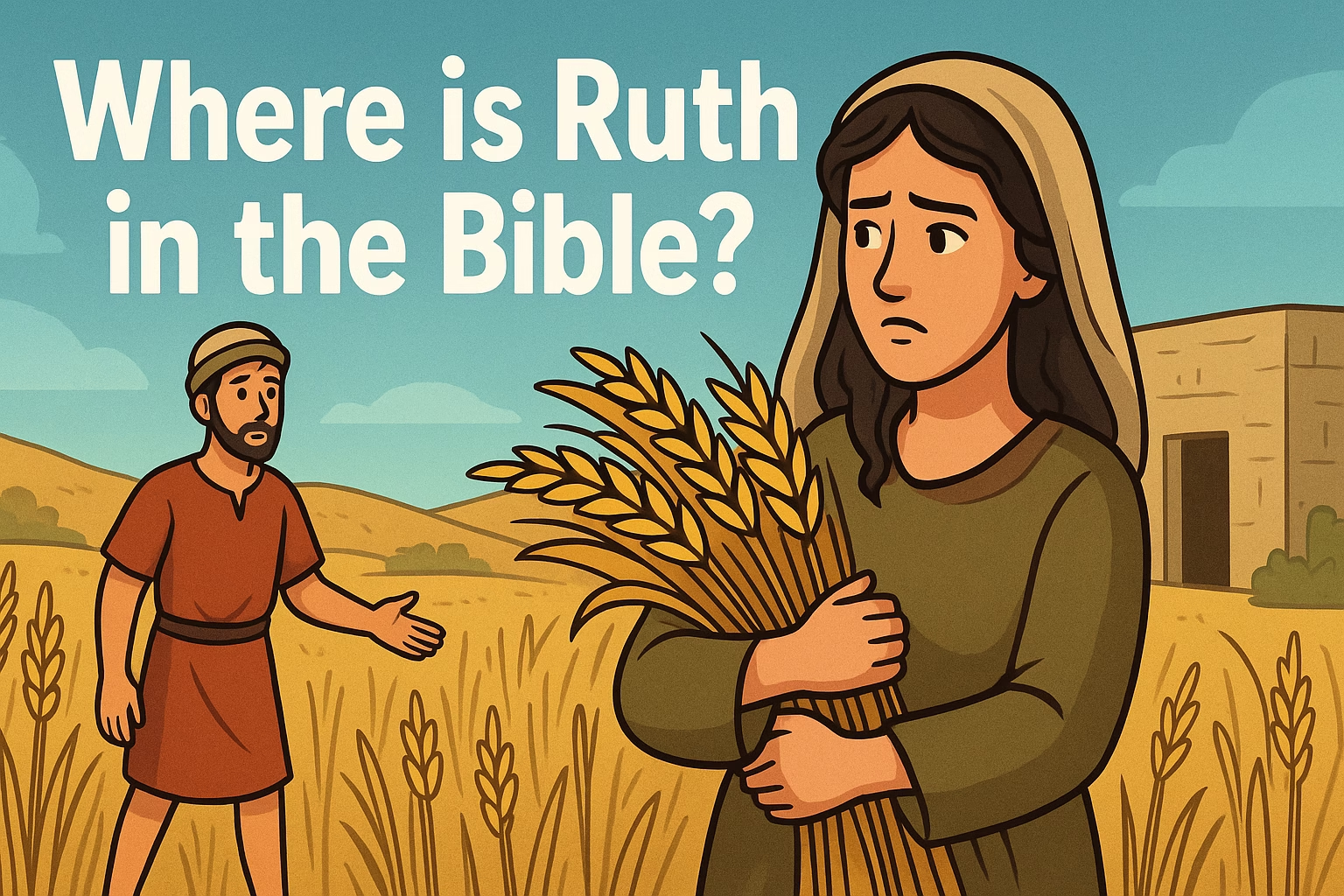
Threshing floors were often communal spaces where farmers would gather to work together. This collaboration fostered a sense of community and shared purpose. In Ruth 3:2, we see Ruth instructed to go to the threshing floor of Boaz, where she would encounter him during the harvest festivities. This setting serves as a backdrop for significant events in the narrative, highlighting the social and relational aspects of threshing floors.
Spiritual Symbolism of Threshing Floors
Beyond their practical use, threshing floors carry rich spiritual symbolism in the Bible. They often represent judgment, purification, and the separation of the righteous from the wicked.
Judgment and Separation
In Matthew 3:12, John the Baptist uses the imagery of a threshing floor to describe the judgment that is to come. He states that Jesus will clear His threshing floor and gather the wheat into His barn, but the chaff He will burn with unquenchable fire. This metaphor illustrates the process of separating the righteous (the wheat) from the unrighteous (the chaff) at the end of times.
The passage implies a divine evaluation, where individuals are assessed based on their faith and actions. The threshing floor thus becomes a symbol of God’s ultimate judgment and the hope of salvation for those who follow Him.
Purification and Renewal
In addition to judgment, the concept of the threshing floor can also signify purification. The act of separating grain from chaff can be seen as a metaphor for the process of spiritual refinement. In Isaiah 30:24, the prophet speaks of the oxen and donkeys eating well, indicating that those who trust in God will be provided for and nourished. This reflects a broader theme of God’s provision and the renewal of His people.
Furthermore, in the context of personal spiritual growth, believers may find that their own lives resemble the work done on a threshing floor. The challenges and trials they face can serve to separate the “wheat” of their character from the “chaff” of sin and distraction, leading to spiritual maturity.
Key Biblical Examples of Threshing Floors
Several notable events in the Bible take place on or involve threshing floors, each contributing to the overall understanding of their significance.
The Threshing Floor of Araunah
One of the most prominent references to a threshing floor is found in 2 Samuel 24:18-25, where King David is instructed by the prophet Gad to build an altar to the Lord on the threshing floor of Araunah the Jebusite. This location becomes sacred as David offers sacrifices to God, seeking to atone for the sin of numbering Israel’s troops.
This event is crucial as it marks the site where Solomon would later build the temple, establishing a lasting connection between the threshing floor and divine worship. The significance of this space emphasizes the importance of sacrifice, repentance, and seeking God’s favor.
Ruth and Boaz
The story of Ruth and Boaz also highlights the importance of the threshing floor. In Ruth 3, Ruth approaches Boaz during the harvest at the threshing floor, asking him to act as her kinsman-redeemer. This intimate and pivotal moment occurs in a setting that symbolizes abundance and the gathering of blessings.
Ruth’s actions on the threshing floor ultimately lead to her marriage to Boaz and her inclusion in the lineage of David, illustrating how significant events of redemption and covenant can unfold in these agricultural spaces.
As we explore the concept of the threshing floor in the Bible, it becomes clear that these places hold both practical and spiritual significance, serving as symbols of community, judgment, and divine providence. The imagery associated with threshing floors invites believers to reflect on their own spiritual journeys and the ways in which God works to refine and purify His people.
Threshing Floors as Places of Encounter
In the biblical narrative, threshing floors also serve as significant places of encounter between God and humanity. They are not just agricultural spaces; they become settings for pivotal moments where individuals seek divine intervention and guidance.
Divine Communication
For example, in 1 Chronicles 21:18-30, David receives a message from God through the prophet Gad while he is at the threshing floor of Araunah. This act of divine communication emphasizes that these locations are more than mere work sites; they are sacred spaces where God can speak and meet His people. David’s response to God’s command at the threshing floor leads to a critical moment in Israel’s history, showcasing how such encounters can change the trajectory of a nation.
This theme of divine engagement at threshing floors reflects the broader biblical principle that God desires a relationship with His people. It highlights how ordinary places can become extraordinary when they are the site of spiritual significance and transformation.
Personal Transformation
Similarly, the story of Gideon in Judges 6 provides another example of an encounter at a threshing floor. While Gideon is secretly threshing wheat to hide it from the Midianites, the angel of the Lord appears to him, calling him a “mighty warrior.” This moment marks the beginning of Gideon’s journey from fear to faith, showing how the threshing floor can represent a turning point in individual lives. It underscores the idea that God can meet us in our daily struggles and use those moments to call us into greater purposes.
Threshing Floors and Worship
Worship is another essential aspect of the significance of threshing floors. The act of offering sacrifices on these floors denotes a deep connection between agricultural practices and spiritual expressions. The physical act of separating grain can symbolize the spiritual act of offering one’s best to God.
Symbolism in Sacrifice
When David offers sacrifices on the threshing floor of Araunah, it signifies more than just an act of repentance; it represents a desire to restore his relationship with God. In 2 Samuel 24:24, David insists on paying for the threshing floor, stating, “I will not offer to the Lord my God burnt offerings that cost me nothing.” This highlights the importance of personal sacrifice in worship, suggesting that true worship often requires a cost and personal investment.
Similarly, the act of bringing the first fruits of the harvest to the threshing floor can symbolize giving God the best of what we have. This practice is echoed in the Old Testament laws where the Israelites are instructed to bring their offerings to the temple, emphasizing the connection between agriculture and worship. It serves as a reminder that our offerings reflect our gratitude and acknowledgment of God’s provision.
Reflections on the Threshing Floor
As we consider the multifaceted meanings of the threshing floor in the Bible, several reflective questions emerge. How do we view our own lives as a threshing floor? Are we allowing God to separate the wheat from the chaff in our hearts? In what ways are we offering our best to God, whether through our time, talents, or resources?
Moreover, the communal aspect of threshing floors invites us to think about our relationships within the body of Christ. Are we working together to support one another in our spiritual journeys? Just as farmers collaborated on the threshing floor, we too are called to build each other up in faith, sharing our burdens and joys.
Closing Thoughts
In conclusion, the concept of the threshing floor in the Bible serves as a rich metaphor for both practical and spiritual life. It is a place of labor, community, divine encounter, and worship. As believers, we are invited to reflect on our own threshing floors—those spaces in our lives where God is working to refine us, where we encounter Him, and where we gather with others to celebrate His goodness. By understanding the significance of the threshing floor, we can better appreciate the ways God is at work in our lives and communities, continually calling us toward growth and deeper relationship with Him.
For further exploration of biblical themes, you may find interest in what sheaves represent in the Bible and the significance of a manger.