In the Bible, the term “sheaves” often evokes images of harvest and abundance, symbolizing both the physical act of gathering crops and deeper spiritual meanings. Understanding what sheaves are in the biblical context can enhance our appreciation of the agricultural metaphors used throughout Scripture. This article will explore the significance of sheaves, their appearances in various passages, and what they represent in the broader biblical narrative.
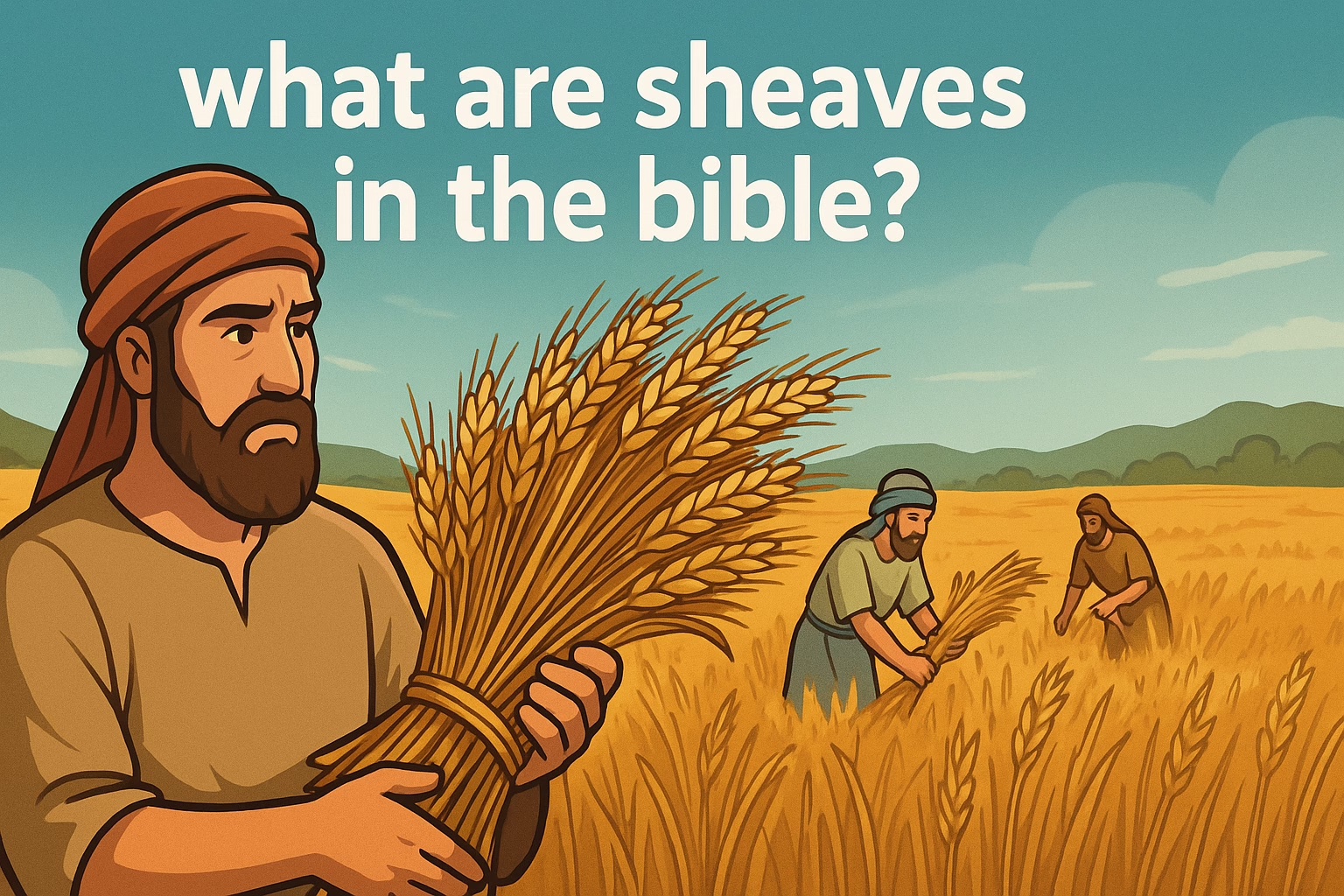
Sheaves refer to bundles of harvested grain or crops, typically tied together for ease of handling and storage. In an agrarian society, sheaves were crucial for both sustenance and trade. The Bible often uses the imagery of sheaves to illustrate spiritual truths, describing God’s provision, the gathering of His people, and the eventual harvest at the end of the age.
Sheaves in the Old Testament
The Harvest Metaphor
One of the most notable references to sheaves in the Old Testament comes from the story of Joseph in Genesis. Joseph dreams of sheaves in the field, where his sheaf rises and others bow down to it (Genesis 37:5-7). This dream symbolizes Joseph’s future leadership and the eventual bowing of his brothers before him during a time of famine. Here, sheaves represent not only literal crops but also the unfolding of God’s plan in Joseph’s life and the lives of his family.
Ruth and the Gleaning
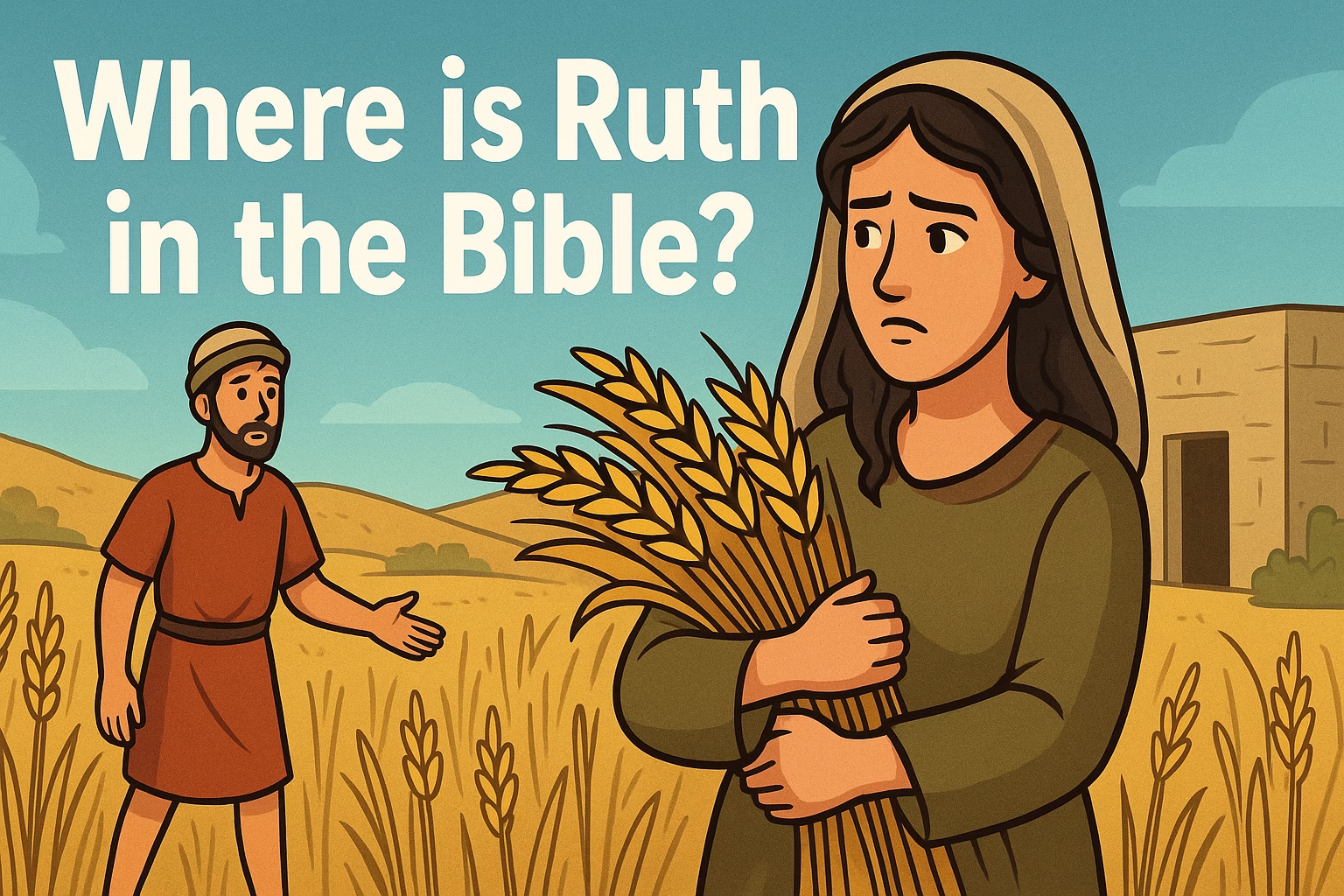
In the Book of Ruth, sheaves are also significant. Ruth gleans in the fields of Boaz, collecting leftover grain after the harvesters have gathered the sheaves. This act of gleaning highlights themes of providence and care for the marginalized, as God instructed the Israelites to leave the edges of their fields for the poor and the foreigner (Leviticus 19:9-10). Ruth’s collection of sheaves ultimately leads to her becoming part of the lineage of David, and later, Jesus, showing how God works through humble beginnings.
Sheaves in the New Testament
The Parable of the Wheat and the Weeds
In the New Testament, sheaves continue to represent harvest and judgment. Jesus tells the Parable of the Wheat and the Weeds in Matthew 13:24-30. In this story, the wheat represents the righteous, while the weeds represent the evil. At harvest time, the wheat is gathered into the barn, while the weeds are burned. This imagery of gathering sheaves at the harvest signifies the final judgment when God will separate the righteous from the wicked.
Spiritual Harvest
Furthermore, Paul speaks about the concept of spiritual harvest in Galatians 6:7-9, where he encourages believers not to grow weary in doing good, for they will reap a harvest if they do not give up. Here, the metaphor of sheaves takes on a spiritual dimension, emphasizing the importance of perseverance in faith and good works. Just as sheaves are gathered at harvest time, so too will the fruits of the Spirit be gathered in the lives of those who remain faithful.
The Symbolism of Sheaves
God’s Provision
Sheaves symbolize God’s provision and abundance. Throughout the Bible, God is portrayed as a provider who cares for His creation. In Psalm 126:5-6, it states, “Those who plant in tears will harvest with shouts of joy. They weep as they go to plant their seed, but they sing as they return with the harvest.” This verse illustrates the cycle of sowing and reaping, where the act of planting (or gathering sheaves) is often accompanied by struggle, but it leads to joy and abundance.
Gathering of Believers
Additionally, sheaves can symbolize the gathering of believers. In John 4:35, Jesus remarks, “The fields are already ripe for harvest,” referring to the people ready to receive the Gospel. The imagery of sheaves here points to the mission of the Church in reaching out to those who are spiritually hungry and in need of salvation. Just as physical sheaves are gathered, so too are souls brought into the Kingdom of God.
Judgment and Accountability
Lastly, sheaves also carry a weight of responsibility regarding accountability. In Matthew 13:39, the harvest is described as the end of the age, where angels will separate the wicked from the righteous. This underscores the seriousness of one’s life choices and the ultimate harvest that awaits every person. The gathering of sheaves serves as a reminder that our actions have consequences, and we are called to live in a way that honors God.
In summary, sheaves in the Bible represent much more than mere bundles of grain. They embody themes of God’s provision, the gathering of His people, and the accountability we hold for our actions. As we delve deeper into the Scriptures, we find that the imagery of sheaves enriches our understanding of God’s work in our lives and the world around us.
The Agricultural Context of Sheaves
To fully grasp the significance of sheaves in the Bible, it is essential to consider the agricultural context of ancient Israel. Farming was the backbone of the economy, and many biblical stories reflect the everyday lives of people dependent on the land. The process of harvesting grain involved labor-intensive work, where farmers would cut the stalks, bind them into sheaves, and then transport them for storage and processing. This imagery resonates deeply with the audience of the time, making the metaphor of sheaves relatable and impactful.
Moreover, the act of gathering sheaves was often a communal effort, symbolizing unity among the people. Families would work together during harvest time, reinforcing social bonds and shared responsibility. This community aspect is mirrored in the New Testament, where the church is often compared to a body working together towards a common goal, much like a team of harvesters.
Sheaves and Spiritual Growth
The imagery of sheaves extends into the realm of spiritual growth and maturity. Just as farmers tend to their crops with care, believers are called to nurture their spiritual lives. In John 15, Jesus uses the metaphor of the vine and branches to illustrate the importance of remaining connected to Him in order to bear fruit. In this context, sheaves can represent the fruit of our spiritual labor—our character and good works that reflect our relationship with God.
This connection between sheaves and spiritual growth invites believers to reflect on their own lives. Are they cultivating their faith actively? Are they producing sheaves of love, kindness, and good deeds? The harvest metaphor encourages self-examination and motivates believers to invest in their spiritual development, much like farmers invest time and resources into their fields.
Sheaves in Prophecy and Eschatology
Another fascinating aspect of sheaves in the Bible is their association with prophecy and eschatology, or the study of end times. In several prophetic texts, the imagery of harvest and sheaves is used to signify the gathering of God’s people at the end of the age. For example, in Revelation 14:14-16, an angel is depicted harvesting the earth, where the sheaves represent those who belong to Christ. This reinforces the idea that the ultimate gathering of believers is not just a physical act but a spiritual culmination of God’s redemptive plan.
These prophetic visions serve as a reminder of the hope and assurance believers have in Christ’s return. The gathering of sheaves at the end times emphasizes God’s sovereignty and the fulfillment of His promises. As believers await this future harvest, there is an encouragement to remain steadfast in their faith and to actively participate in the mission of the Church, sharing the Gospel with others.
The Role of Sheaves in Worship
In addition to their agricultural and spiritual significance, sheaves also played a role in worship practices in ancient Israel. The Feast of Weeks, also known as Shavuot, was a significant celebration where the Israelites would bring the first fruits of their harvest to the temple as an offering to God. This included sheaves of grain, symbolizing gratitude for God’s provision and recognizing Him as the source of their blessings.
This act of offering sheaves in worship serves as a powerful lesson for modern believers. It invites reflection on how they express gratitude for God’s provision in their lives. Are they offering their time, talents, and resources back to God as a form of worship? The practice of giving, whether through financial contributions or acts of service, can be seen as bringing our own sheaves to the Lord, acknowledging His goodness and faithfulness.
Conclusion: Embracing the Symbolism of Sheaves
In conclusion, sheaves in the Bible represent a rich tapestry of meaning that extends beyond mere agricultural references. They symbolize God’s provision, the community of believers, spiritual growth, prophetic fulfillment, and acts of worship. As we reflect on these themes, we are encouraged to consider how we can cultivate our faith, nurture our relationships with others, and actively participate in God’s mission. The imagery of sheaves invites us not only to remember the physical harvest but also to engage in the spiritual harvest that God desires from each of us.
To explore more about biblical themes, check out these articles: the gathering of believers and the harvest metaphor.