
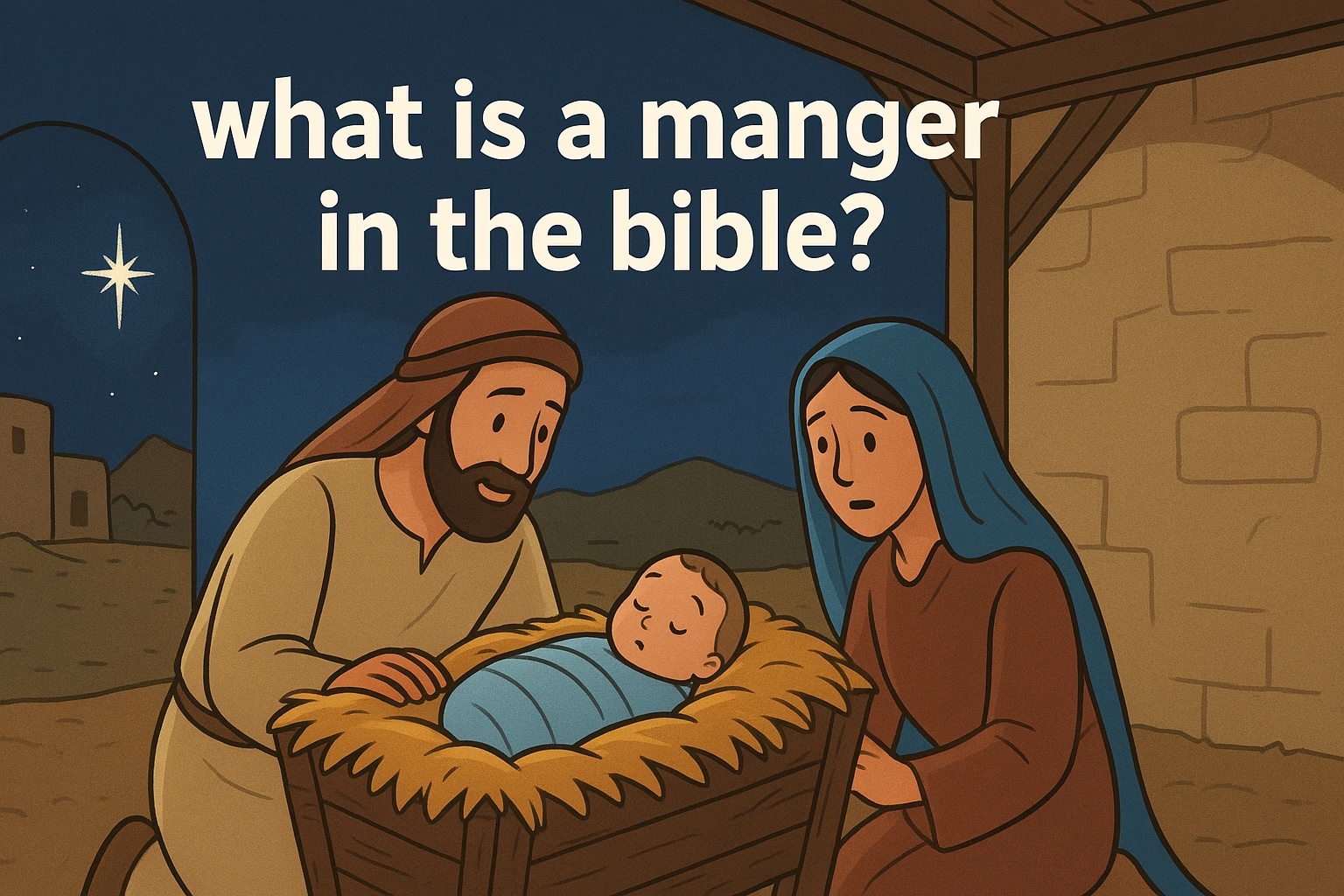
The concept of a manger holds significant meaning in the Christian tradition, particularly in relation to the birth of Jesus Christ. Understanding what a manger is and its biblical context can deepen our appreciation for the Nativity story. In this article, we will explore the definition of a manger, its role in the Bible, and the cultural context surrounding it.
In the Bible, a manger is defined as a feeding trough for animals. It is typically made of wood or stone and was used to hold food for livestock, such as hay or grain. The most famous mention of a manger comes from the Gospel of Luke, where it states that Mary laid Jesus in a manger because there was no room for them in the inn (Luke 2:7). This detail not only emphasizes the humble beginnings of Jesus but also highlights the setting of His birth.
The Birth of Jesus and the Manger
The manger is closely associated with the birth narrative of Jesus found in the Gospels of Matthew and Luke. According to Luke 2:6-7 (NLT), “And while they were there, the time came for her baby to be born. She gave birth to her firstborn son. She wrapped him snugly in strips of cloth and laid him in a manger because there was no lodging available for them.” This passage reveals the stark reality of Jesus’ arrival into the world, as He was born in a stable and placed in a feeding trough instead of a crib.
The Significance of the Manger
The manger symbolizes humility and simplicity. Jesus, the King of Kings, entered the world not in a palace or with great fanfare, but in a lowly setting, which reflects His mission to reach the marginalized and the poor. The choice to place Him in a manger serves as a powerful reminder of God’s willingness to identify with humanity in its most vulnerable state.
Furthermore, the manger can also be seen as a foreshadowing of Jesus’ life and ministry. Just as He was born in a humble setting, He lived a life of service, ultimately sacrificing Himself for humanity. This theme of humility is echoed throughout Jesus’ teachings, where He often spoke about the importance of serving others and the value of the meek.
Cultural Context of the Manger
To fully understand the significance of a manger in biblical times, it is essential to consider the cultural context of ancient Israel. During the time of Jesus’ birth, homes typically consisted of two levels: the upper level where the family lived and the lower level that housed animals. The manger was often located in this lower area, which was a common practice to protect livestock from thieves and the elements.
In rural communities, it was not unusual for travelers to seek refuge in stables when inns were full. The presence of a manger in the stable would have been a familiar sight for people of that time. Thus, the mention of a manger in the Nativity story would resonate with the audience, highlighting the ordinary and everyday aspects of life.
The Role of Mangers in Daily Life
Mangers served a practical purpose beyond their association with the birth of Jesus. They were an essential part of agricultural life, providing a place for farmers to feed their animals. Livestock was a vital part of the economy and daily life in ancient Israel, and the care of animals was closely tied to the well-being of families.
In addition to their practical use, mangers are also symbolic in a spiritual sense. They represent the nourishment that Jesus provides to believers. Just as animals are fed from a manger, Christians believe they are spiritually nourished by Christ, who is often referred to as the Bread of Life (John 6:35). This connection between the physical and the spiritual underscores the depth of meaning found in the humble manger.
Comparative Analysis of Mangers in Scripture
While the manger is most famously associated with the birth of Jesus, it is also mentioned in other contexts within the Bible. For instance, in Isaiah 1:3 (NLT), it states, “Even the ox knows its owner, and the donkey recognizes its master’s care.” This verse highlights the importance of animals in biblical times and their relationship with humans. It emphasizes the idea that even the simplest of creatures recognize care and provision, which can be likened to the care that God provides for His creation.
Additionally, the imagery of a manger can also be contrasted with the concept of wealth and power in the Scriptures. Jesus often challenged societal norms regarding status and privilege. The manger serves as a reminder that God’s kingdom values humility over earthly riches and that true greatness comes from serving others.
In summary, the manger in the Bible is more than just a feeding trough; it is a symbol of humility, service, and spiritual nourishment. Its significance is woven throughout the Nativity story and reflects the broader themes of Jesus’ life and teachings. By examining the context and meaning of the manger, we gain a deeper understanding of the profound message of Christmas and the nature of Christ Himself.
The Manger as a Symbol of Hope
The humble manger also serves as a powerful symbol of hope for many believers. In a world often filled with despair and disappointment, the birth of Jesus in such a lowly setting reminds Christians that God can bring forth hope from the most unexpected places. The manger signifies that divine potential can emerge from what may seem insignificant or overlooked.
Throughout history, many have found comfort in the idea that Jesus, born in a manger, came to save not just the elite but everyone, including the outcasts and marginalized. This theme is reflected in the shepherds’ visit to the manger, as they were among the lowest social classes of the time. The angel’s announcement of Jesus’ birth to them (Luke 2:8-12) emphasizes that the message of salvation is accessible to all, reinforcing the notion that God’s love transcends social and economic barriers.
The Manger in Christian Art and Tradition
The imagery of the manger has been a significant theme in Christian art and tradition. Artists throughout the centuries have depicted the Nativity scene, often focusing on the simplicity and tenderness of Mary, Joseph, and the newborn Jesus in the manger. These artistic representations have helped to convey the profound mystery of the Incarnation—God becoming human in the most humble of circumstances.
In many cultures, nativity scenes are a cherished part of Christmas celebrations. They serve not only as decorative pieces but also as reminders of the deeper meaning behind the holiday. The presence of the manger in these scenes invites reflection on the humility and love that characterize the life of Jesus. This visual representation encourages believers to embrace the spirit of Christmas by practicing kindness, generosity, and humility in their own lives.
The Theological Implications of the Manger
From a theological perspective, the manger raises important questions about the nature of God and humanity. The choice for Jesus to enter the world in such an ordinary and humble manner challenges conventional notions of power and status. It invites believers to reconsider what true greatness means in the eyes of God.
In Philippians 2:6-8, Paul writes about Jesus’ humility, stating that He “emptied Himself by taking the form of a servant, being born in the likeness of men.” This passage highlights the significance of the manger as a reflection of Jesus’ entire life and mission. His willingness to embrace humility not only defines His identity but also serves as a model for how His followers are called to live.
Lessons for Today’s Believers
As modern believers reflect on the significance of the manger, it prompts them to consider how they can embody the same spirit of humility and service in their daily lives. The manger challenges individuals to prioritize compassion over competition and to seek out opportunities to serve those in need. Just as Jesus identified with the marginalized, Christians are encouraged to reach out to those who may feel overlooked or forgotten.
Additionally, the manger serves as a reminder to find joy in simplicity. In a world that often values material wealth and status, the Nativity story invites believers to appreciate the beauty of everyday moments and the significance of community and family. The simplicity of the manger can inspire a deeper appreciation for the gifts of love and connection that truly matter.
Conclusion: The Enduring Legacy of the Manger
The manger is a profound symbol that encapsulates the core message of the Christian faith. It reminds believers of Jesus’ humble beginnings and His mission to bring hope, love, and salvation to all. By exploring the biblical context and significance of the manger, Christians are invited to reflect on their own lives and how they can live out the values of humility, service, and compassion that Jesus exemplified.
As the Christmas season approaches, the manger continues to inspire countless individuals to embrace the true spirit of the holiday—one of love, generosity, and a willingness to serve others. Through the lens of the manger, believers are encouraged to share the light of Christ in a world that desperately needs it.
For further exploration of related biblical themes, consider reading about the Christmas story in the Bible or learning about what a birthright means in the Bible.