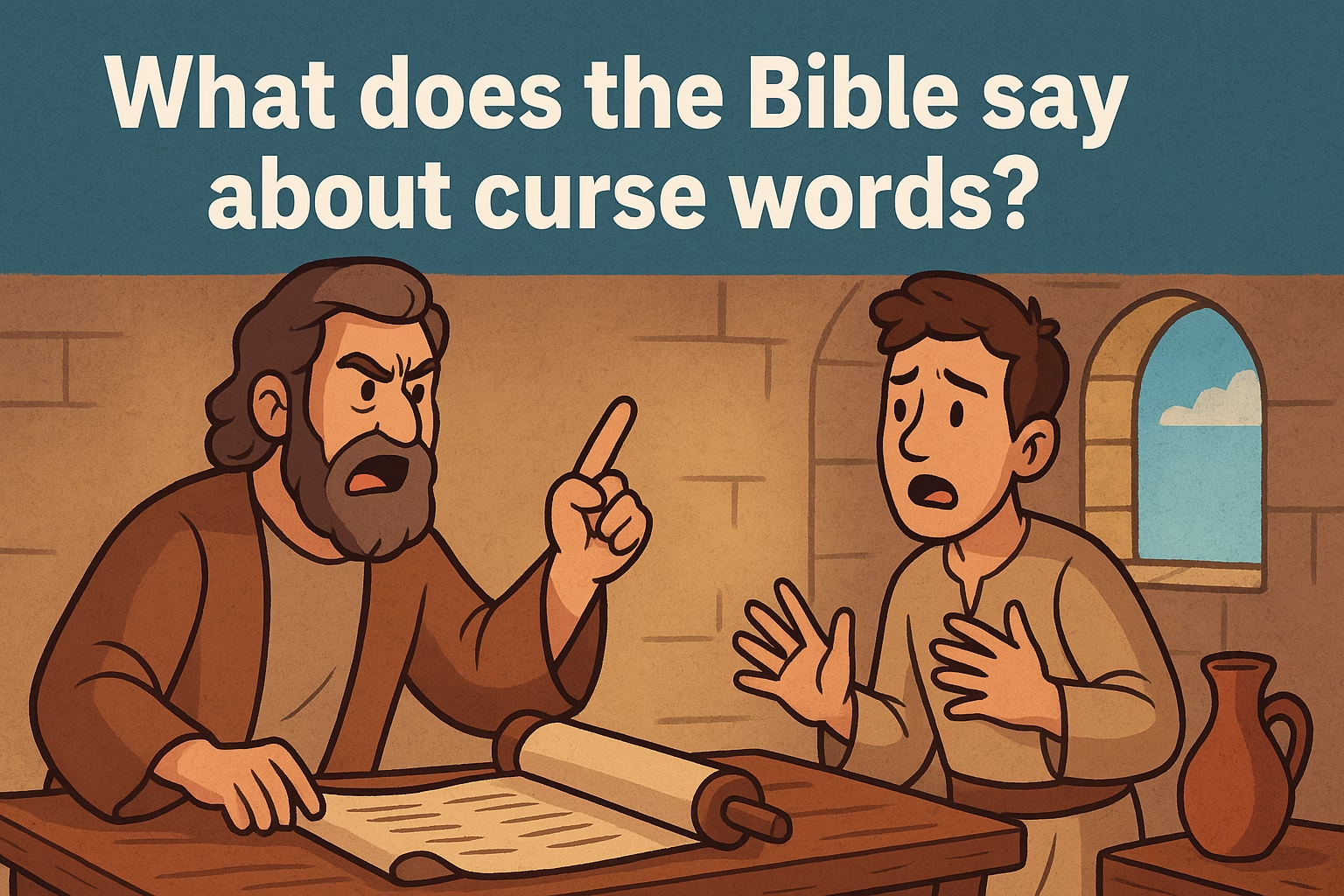
Curse words have been a topic of discussion among Christians for centuries. Many believers wonder what the Bible says about using such language and whether it is acceptable in any context. This article aims to explore the biblical perspective on curse words, examining relevant passages and providing insight into the implications of our speech.
The Bible does not explicitly list every curse word or profanity we might encounter today. However, it does provide principles and teachings that guide our understanding of how to use language in a way that honors God and reflects our faith. By looking at specific verses and their contexts, we can better understand the biblical stance on curse words.
Understanding Speech in the Bible
Throughout Scripture, the importance of our words is emphasized. Proverbs 18:21 states, “The tongue can bring death or life; those who love to talk will reap the consequences.” This verse highlights the power of our speech and the impact it can have on ourselves and others. Words can either uplift and encourage or harm and destroy.
In Ephesians 4:29, Paul instructs believers to avoid unwholesome talk, saying, “Do not let any unwholesome talk come out of your mouths, but only what is helpful for building others up according to their needs.” Here, the emphasis is on using language that is beneficial and constructive rather than harmful, which can include avoiding curse words or any speech that might degrade or offend others.
Old Testament Insights
The Old Testament provides examples that illustrate the seriousness of our speech. In Exodus 20:7, part of the Ten Commandments states, “You must not misuse the name of the LORD your God.” This commandment warns against using God’s name carelessly or in a manner that dishonors Him. While it specifically addresses blasphemy, it sets a precedent for how we should view all forms of speech.
Furthermore, in Leviticus 19:12, the Lord commands, “Do not bring shame on the name of your God by using it to swear falsely.” This reinforces the idea that our words, especially those invoking God’s name, carry weight and should be treated with respect. This principle can extend to all types of language, suggesting that careless or profane language is not in line with God’s desires for His people.
New Testament Teachings on Language
In the New Testament, the teachings of Jesus and the apostles continue to emphasize the importance of our words. Jesus stated in Matthew 12:36-37, “And I tell you this, you must give an account on judgment day for every idle word you speak. The words you say will either acquit you or condemn you.” This stark warning underscores that our speech is not trivial; it has eternal significance.
Paul’s Instructions on Speech
The Apostle Paul frequently addresses the issue of speech in his letters. In Colossians 3:8, he instructs believers to “put away all anger, wrath, malice, slander, and obscene talk from your mouth.” The term “obscene talk” can be understood to include vulgar or profane language, reinforcing the idea that Christians should avoid such speech.
Additionally, in James 1:26, it says, “If you claim to be religious but don’t control your tongue, you are fooling yourself, and your religion is worthless.” This verse emphasizes that controlling our speech is a vital aspect of living out our faith. It suggests that using curse words or engaging in harmful speech can be detrimental to our witness as Christians.
The Heart Behind Our Words
One key aspect of understanding the Bible’s view on curse words is recognizing that the heart behind our speech is crucial. Jesus taught in Luke 6:45, “A good person produces good things from the treasury of a good heart, and an evil person produces evil things from the treasury of an evil heart.” This means that our words reflect what is within us. If our hearts are filled with anger, bitterness, or resentment, it may manifest in our speech, including the use of curse words.
Therefore, the focus should not only be on the words themselves but also on the condition of our hearts. Are we speaking out of love, kindness, and respect? Or are we allowing our emotions to dictate our language? The Bible encourages believers to cultivate a heart that aligns with God’s character, which will naturally lead to speech that honors Him.
Context Matters
While the Bible provides clear guidelines regarding speech, it is also important to consider context. For instance, there may be situations where strong language is used to convey a point or express frustration, but even then, believers should be cautious about how their words are perceived and the potential impact they may have on others.
Some argue that certain phrases or words may be acceptable in specific contexts, especially when they are not intended to harm but to express strong emotions. However, the overarching principle remains: our language should reflect our faith and witness as followers of Christ, striving to build others up rather than tear them down.
The Influence of Culture on Language
Language is deeply influenced by culture, and this can complicate discussions about curse words. What is considered offensive or inappropriate in one culture may be acceptable in another. The Bible was written in a specific cultural context, and understanding that context can help us discern how to apply its teachings today.
For instance, in biblical times, language was often tied to honor and shame, and words carried significant weight. Today, as society evolves, so too does the language we use. While it is essential to remain rooted in biblical principles, believers should also navigate the cultural landscape with sensitivity. This means being aware of how our words may be perceived by others and striving to communicate in ways that promote understanding and respect.
The Role of Intent in Speech
Another important aspect to consider is the intent behind our words. The Bible teaches that our motivations matter. In Matthew 5:22, Jesus warns against anger, stating that anyone who insults a brother or sister will be subject to judgment. This highlights that the heart and intent behind our speech are just as important as the words we choose to use.
When Christians use strong language, it is crucial to evaluate the intent. Are we using it to vent frustration, to express deep emotion, or to insult? If our intent is to tear others down or to express anger in a hurtful way, we are straying from the biblical call to love and respect one another. Conversely, if strong language is used to emphasize a point in a context where it is understood and accepted, it may not carry the same weight of offense.
Practical Applications for Believers
As Christians, it is vital to be intentional about our speech. Here are some practical steps believers can take to align their language with biblical teachings:
- Reflect on Your Words: Before speaking, consider whether your words are uplifting and constructive. Ask yourself if they align with your faith and values.
- Seek Accountability: Surround yourself with fellow believers who can encourage you to use language that honors God. Having accountability can help you stay mindful of your speech.
- Practice Grace: Remember that everyone is on a journey. If you slip up and use inappropriate language, seek forgiveness and strive to do better. Extend grace to others as they grow in their walk with Christ.
Encouraging Positive Speech
Instead of focusing solely on what not to say, consider how to cultivate positive speech. The Bible encourages believers to speak words of life, comfort, and encouragement. In 1 Thessalonians 5:11, Paul urges, “So encourage each other and build each other up, just as you are already doing.” This directive can serve as a guiding principle for how Christians should communicate.
Finding ways to encourage others through our words can transform conversations and relationships. This might mean replacing negative or harsh language with affirming words that uplift and inspire. When we focus on building others up, we create an atmosphere of love and respect that reflects the heart of Christ.
Final Thoughts on Language and Faith
Ultimately, the Bible provides a framework for understanding the power of our words and the importance of aligning our speech with our faith. While it may not explicitly list curse words, the principles of love, respect, and intentionality in our language are clear. As believers, we are called to reflect Christ in all aspects of our lives, including the words we speak.
As you navigate conversations and interactions, take time to examine your heart and the intent behind your words. Seek to honor God through your speech, remembering that every word has the potential to either build up or tear down. By committing to thoughtful and respectful language, you can be a positive influence in your community and a true reflection of your faith.
For further insights on how language impacts our lives, check out these articles: What Cuss Words Are in the Bible? and Bible Verses About the Power of Words.