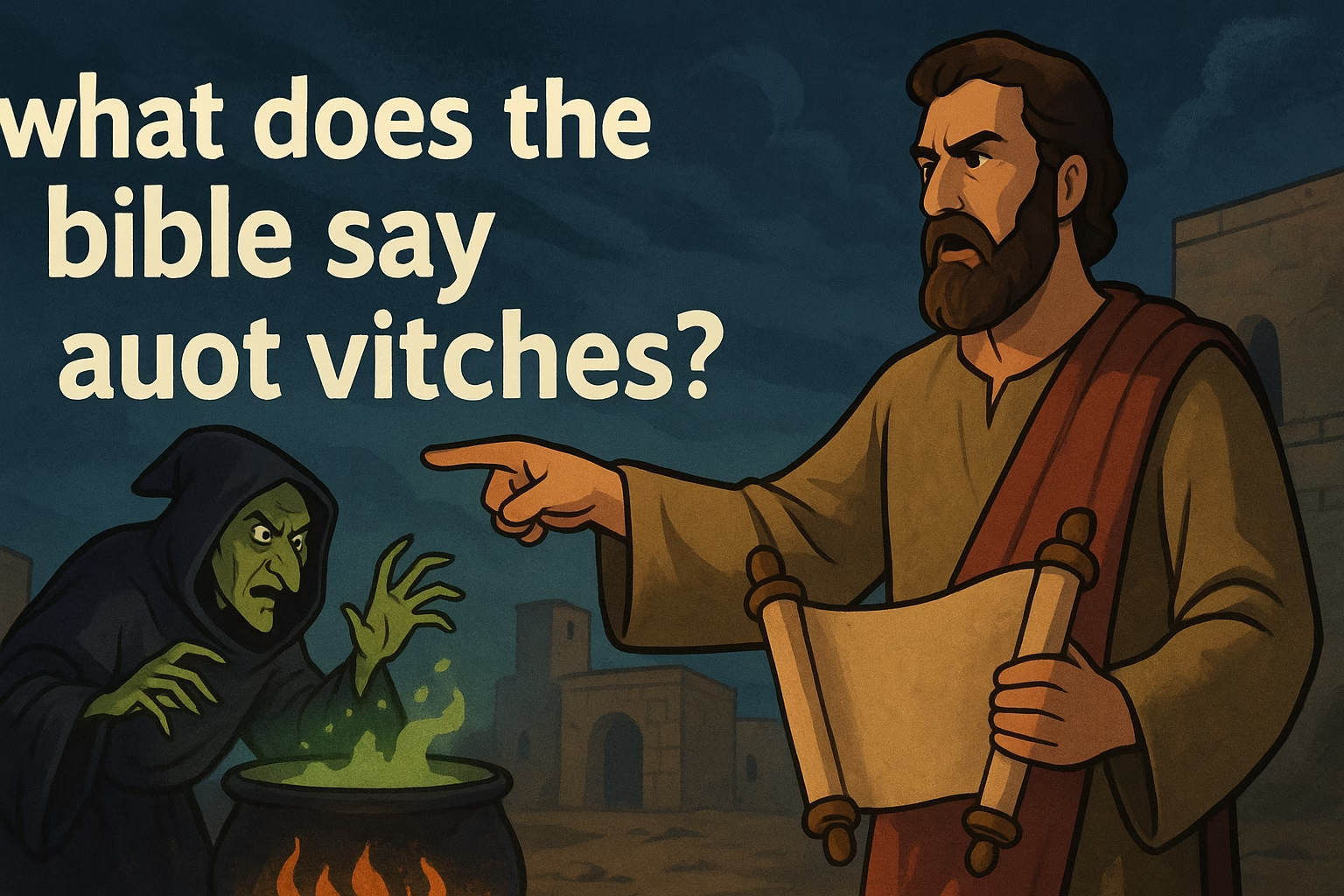
The topic of witches and witchcraft is one that raises many questions among Christians and those interested in biblical teachings. Throughout history, interpretations and understandings of what the Bible says about witches have evolved, often influenced by cultural attitudes and societal norms. This article seeks to explore the relevant biblical passages and provide clarity on what Scripture actually conveys about witches and witchcraft.
The Bible addresses the topic of witches primarily in the context of warnings against practices associated with witchcraft and sorcery. The most notable passages are found in the Old Testament, particularly in the books of Exodus, Leviticus, and Deuteronomy. These texts reflect the ancient Israelites’ understanding of witchcraft as a serious offense against God.
Old Testament Warnings Against Witchcraft
One of the most direct prohibitions against witchcraft appears in Exodus 22:18, which states, “You must not allow a sorceress to live.” This command highlights the severity with which such practices were viewed in ancient Israel. The term “sorceress” can encompass a range of practices, including spellcasting and divination, which were seen as attempts to manipulate spiritual forces apart from God.
In Leviticus 19:26-31, the Israelites are instructed to avoid practices associated with witchcraft and necromancy. The passage reads, “Do not eat meat that has not been drained of its blood. And do not practice fortune-telling or witchcraft. Do not turn to mediums or consult the spirits of the dead.” This reinforces the idea that engaging with these practices was not only forbidden but also detrimental to one’s relationship with God.
The Role of Witchcraft in Ancient Cultures
Understanding the biblical perspective on witches also requires consideration of the cultural context in which these texts were written. In ancient Near Eastern societies, witchcraft and sorcery were often associated with pagan religions and rituals. The Israelites were called to be distinct from surrounding nations, which often practiced these forms of divination. Therefore, prohibitions against witchcraft served to maintain their unique covenant relationship with God.
In Deuteronomy 18:10-12, God explicitly commands the Israelites to avoid practices such as divination, sorcery, and consulting the dead. The passage states, “For example, never sacrifice your son or daughter as a burnt offering. And do not let your people practice fortune-telling, or use sorcery, or interpret omens, or engage in witchcraft, or cast spells, or function as mediums or psychics, or call forth the spirits of the dead.” This reflects God’s desire for His people to rely on Him for guidance rather than seeking supernatural knowledge through forbidden means.
The New Testament and Witchcraft
The New Testament continues to address the issue of witchcraft, although the term “witch” is not used as frequently as in the Old Testament. Instead, the focus shifts to the broader concept of spiritual deception and false teachings. In Galatians 5:19-21, witchcraft is listed among the “acts of the flesh,” which include idolatry, hatred, and jealousy. The Apostle Paul warns that those who practice such things will not inherit the Kingdom of God.
Additionally, in Acts 8:9-24, we find the story of Simon the Sorcerer, a man who practiced magic in Samaria. After hearing the preaching of Philip and witnessing the miracles performed in the name of Jesus, Simon sought to buy the power of the Holy Spirit. Peter rebukes him, indicating that his heart was not right with God and that he needed to repent. This narrative illustrates the early church’s stance against the practices of witchcraft and sorcery, emphasizing the need for genuine faith in Christ.
Understanding the Nature of Witchcraft
It is essential to understand that the biblical condemnation of witchcraft does not stem from a fear of the supernatural itself but rather from the nature of the practices associated with it. Witchcraft often involves seeking power or knowledge through means that are contrary to God’s will. The Bible emphasizes that all power and authority belong to God alone, and any attempt to manipulate spiritual forces outside of His guidance is viewed as rebellion against Him.
For many Christians, the concern surrounding witchcraft is not merely about the practices themselves but the underlying spiritual implications. Engaging in witchcraft is seen as turning away from the Creator and seeking fulfillment or understanding through alternative spiritual channels. This can lead to spiritual bondage and separation from God.
Modern Interpretations and Misunderstandings
In contemporary discussions, it is important to differentiate between the biblical concept of witchcraft and modern interpretations often influenced by popular culture, literature, and media. The portrayal of witches in movies and books often romanticizes or trivializes the subject, which can lead to misunderstandings about the biblical stance on these practices.
Many modern practitioners of witchcraft may not align with the ancient practices condemned in Scripture but instead may view their practices as a form of spirituality or personal empowerment. However, from a biblical perspective, any practice that seeks to draw power or insight from sources other than God is still considered contrary to biblical teachings.
As such, it is crucial for Christians to approach the topic of witches and witchcraft with a grounded understanding of Scripture, recognizing the historical and cultural contexts while remaining aware of the spiritual implications of such practices.
The Spiritual Implications of Witchcraft
Witchcraft, as described in the Bible, is not simply about the actions of casting spells or engaging in rituals. It is deeply tied to spiritual authority and allegiance. When individuals turn to witchcraft, they often seek power or knowledge that is outside of God’s will. This act can signify a rejection of God’s sovereignty and a desire to control one’s circumstances through alternative means.
In 1 Samuel 15:23, it is noted that “rebellion is as sinful as witchcraft.” This verse highlights that any form of disobedience to God is equated with the practices associated with witchcraft. Therefore, the biblical view extends beyond the outward actions of witchcraft to encompass the heart’s attitude toward God and His authority. It signifies a willingness to pursue autonomy from divine guidance.
Historical Context of Witch Hunts
The historical context surrounding witches and witchcraft, particularly during periods like the European witch hunts, is essential for understanding how biblical teachings were interpreted and applied. During these times, societal fears and misunderstandings often led to persecution and violence against those accused of witchcraft. Many innocent individuals suffered as communities sought to eradicate perceived evil.
These events were often fueled by a combination of superstition, social dynamics, and a misunderstanding of biblical texts. While the Bible does warn against witchcraft, the application of these warnings in the context of witch hunts often strayed from the original intent of Scripture. It is crucial to approach these historical events with a discerning view of Scripture, recognizing the difference between the biblical prohibition of witchcraft and the cultural reactions to it.
Questions for Reflection
As we seek to understand what the Bible says about witches, it is helpful to engage in reflective questions that can guide our thoughts and actions:
- What does it mean to rely on God for guidance in our lives instead of seeking alternative spiritual paths?
- How can we discern between healthy curiosity about the supernatural and practices that may lead us away from God?
- In what ways can we support those who may be drawn to witchcraft as a means of empowerment or understanding?
- How can we educate ourselves and others about the biblical perspective on witchcraft in a compassionate and understanding manner?
The Call to Discernment
The Bible calls Christians to exercise discernment in all aspects of life, including spiritual practices. In 1 John 4:1, believers are urged to “test the spirits to see whether they are from God.” This call to discernment applies to the topic of witchcraft as well. Christians are encouraged to evaluate the sources from which they seek wisdom and guidance, ensuring they align with biblical teachings.
Furthermore, understanding the cultural context of Scripture can help Christians navigate conversations about witchcraft today. Many individuals may be seeking spiritual fulfillment or a sense of belonging, which can lead them toward practices that the Bible warns against. It is vital to approach these discussions with grace and truth, offering biblical insights while also listening to their stories and experiences.
Conclusion: Embracing a Biblical Approach
In conclusion, the Bible presents a clear stance against witchcraft, emphasizing the importance of relying on God for guidance and wisdom. The warnings found in Scripture highlight the spiritual dangers associated with seeking power outside of God’s authority. While modern interpretations and cultural representations of witchcraft may differ from biblical teachings, the core message remains the same: believers are called to pursue a relationship with God rather than exploring alternative spiritual avenues.
As Christians, it is essential to remain grounded in Scripture, understanding the historical and cultural contexts of these teachings. By doing so, we can engage with those who may be drawn to witchcraft with compassion and a commitment to sharing God’s truth.
For further reading on the implications of spiritual practices in the Bible, you may find the following articles helpful: exploring the nature of spiritual authority and understanding the historical context of witchcraft in Christianity.