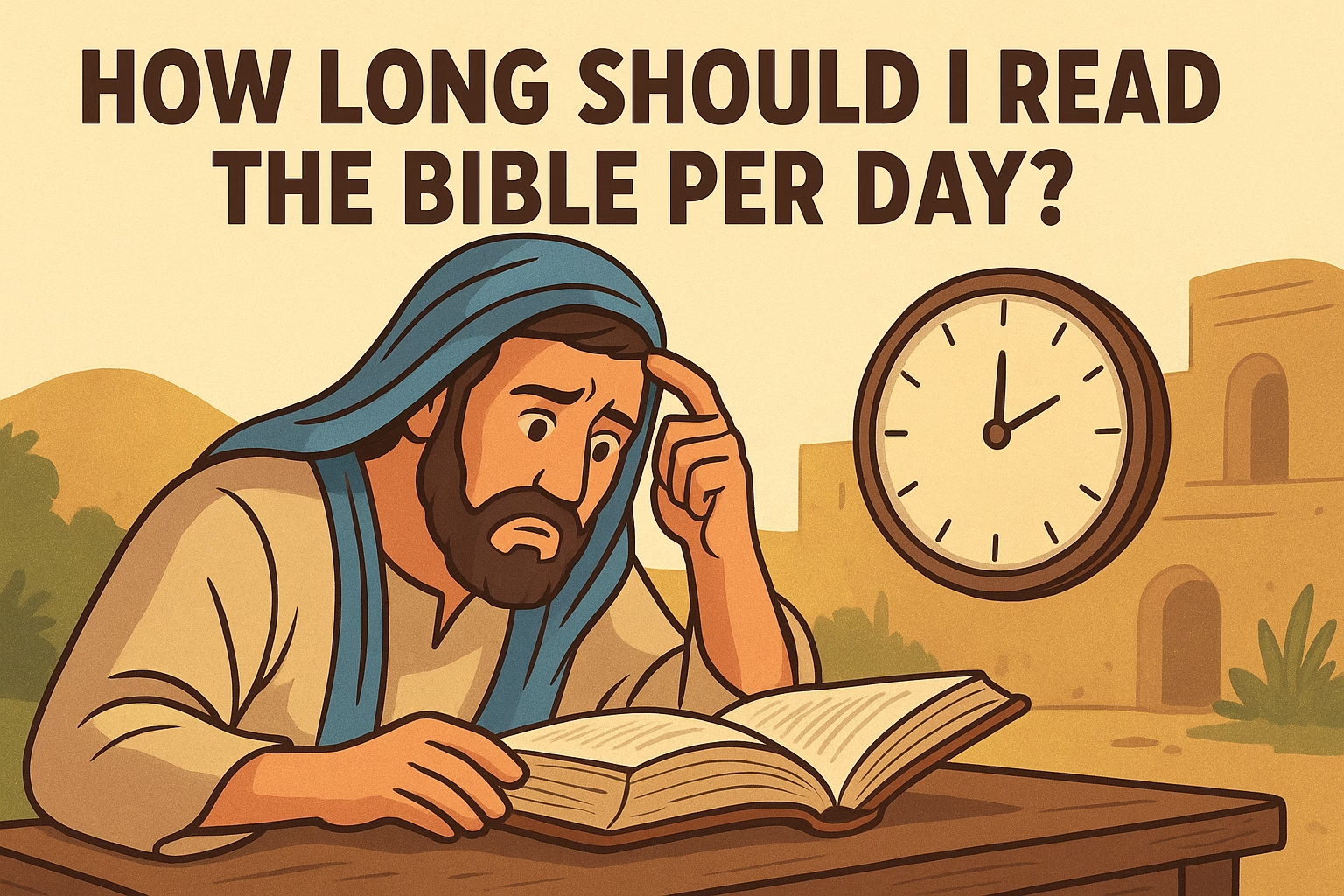
Many believers grapple with the question of how long they should dedicate to reading the Bible each day. This inquiry often arises from a desire to deepen one’s faith, gain wisdom, and grow spiritually. As we explore this question, it’s essential to recognize that the amount of time spent in Scripture may vary based on individual circumstances, spiritual goals, and personal preferences.
While there is no one-size-fits-all answer, a good starting point is to aim for at least 15 to 30 minutes of reading each day. This timeframe allows for meaningful engagement with the text, reflection, and prayer. However, some may find that they want to spend more time, while others might need to start with shorter sessions. Ultimately, the goal is to cultivate a habit of consistent reading that fosters a deeper relationship with God.
Understanding the Importance of Daily Bible Reading
Before determining how long to read the Bible, it’s vital to understand why daily Bible reading is essential for Christians. The Bible serves as the foundation of faith, providing guidance, encouragement, and wisdom. In 2 Timothy 3:16-17 (NLT), we are reminded that “All Scripture is inspired by God and is useful to teach us what is true and to make us realize what is wrong in our lives.” This passage highlights the transformative power of God’s Word.
Moreover, daily reading can help us develop a closer relationship with God. Psalms 119:105 (NLT) states, “Your word is a lamp to guide my feet and a light for my path.” Engaging with Scripture allows us to seek God’s guidance in our daily lives and decisions. Through reading, we can also find comfort and strength during challenging times, as Romans 15:4 (NLT) reminds us that “the Scriptures give us hope and encouragement as we wait patiently for God’s promises to be fulfilled.”
Finding the Right Length for You
When considering how long to read the Bible each day, it is crucial to find a balance that works for you. Here are some factors to consider:
- Your Schedule: Consider your daily routine. If you have a busy lifestyle, starting with shorter sessions might be more manageable. You can gradually increase the time as you become more comfortable with the practice.
- Your Goals: Reflect on your spiritual goals. Are you looking to understand a specific topic, or do you want to read through the entire Bible? Your objectives can influence how much time you dedicate each day.
- Your Reading Style: Some individuals prefer to read large portions of Scripture at once, while others may benefit from reading smaller sections and meditating on them. Your personal reading style can impact the duration of your daily reading.
Starting with a Plan
Establishing a reading plan can help you stay consistent and focused. Many people find success using a structured approach, such as:
- Daily Devotionals: Many devotionals provide a short passage of Scripture along with reflections and applications. This can be a great way to engage with the Bible without feeling overwhelmed.
- Bible Reading Plans: There are various reading plans available that guide you through the Bible in a year, in a few months, or by specific themes. These plans often break the text into manageable portions.
- Topical Studies: If you have specific issues in your life or areas of interest, consider doing a topical study. This involves reading verses related to a particular subject, which can deepen your understanding.
Quality Over Quantity
While it can be tempting to focus solely on the amount of time spent reading the Bible, it’s essential to prioritize the quality of your engagement. Spending 15 minutes in deep reflection and prayer can be far more beneficial than an hour of hurried reading. James 1:22 (NLT) encourages us to “be doers of the word, and not hearers only.” This verse emphasizes the importance of applying what we learn from Scripture to our lives.
As you read, take time to pause and reflect on what you are learning. Consider keeping a journal to document your thoughts, prayers, and insights. This practice can enhance your understanding and help you internalize the lessons from the Scriptures.
Adjusting Your Reading Time as Needed
Your life circumstances may change over time, which might require you to adjust your Bible reading schedule. During busy seasons, you may need to reduce your reading time, while quieter times may allow for longer sessions. The important thing is to remain flexible and committed to engaging with God’s Word, even if it means adapting your routine.
Ultimately, the key is to establish a habit of daily Bible reading that fits within your life and fosters spiritual growth. Whether you choose to read for 15 minutes or an hour, what matters most is the heart behind the practice and your desire to know God more deeply.
Creating a Sustainable Routine
Establishing a daily Bible reading habit can be challenging, especially in a fast-paced world. To make your reading sustainable, consider integrating it into your daily routine. Here are some tips to help you develop a consistent practice:
- Choose a Specific Time: Identify a time of day that works best for you. Whether it is early in the morning, during lunch breaks, or before bed, having a set time can help you remember to read consistently.
- Eliminate Distractions: Find a quiet place where you can focus without interruptions. This will help you engage more deeply with the text and allow for better reflection and prayer.
- Incorporate Technology: Use Bible apps or online resources to make reading easier. Many apps offer audio versions, daily reminders, and interactive features that can enhance your experience.
The Role of Community
Engaging with the Bible is not just a personal endeavor. Being part of a community can enrich your understanding and encourage you to read more consistently. Here are some ways to involve others in your Bible reading journey:
- Join a Study Group: Participating in a Bible study group can provide accountability and foster discussions that deepen your understanding of Scripture.
- Share Insights: Talk about your readings with friends or family members. Sharing what you learn can reinforce your understanding and encourage others to engage with the Bible as well.
- Attend Church Services: Regularly attending church services can provide additional context and teaching that complements your personal reading. Many sermons are based on specific passages and can help you see the broader narrative of Scripture.
Setting Realistic Goals
Setting achievable goals can help you stay motivated in your Bible reading. Here are some ideas for realistic goals:
- Daily Verses: Start by committing to read a few verses a day. This can help you ease into the practice without feeling overwhelmed.
- Weekly Reflections: Choose a passage to read each week and spend time reflecting on its meaning and application in your life.
- Monthly Themes: Focus on a specific theme or book of the Bible each month. This can help you dive deeper and gain a more comprehensive understanding over time.
Listening to the Bible
If you find it challenging to set aside time to read, consider listening to the Bible instead. Many people find that auditory learning can be just as impactful as reading. Listening to an audio Bible can be done while commuting, exercising, or completing household chores. This flexibility allows for engagement with Scripture throughout your day, making it easier to incorporate into your routine.
Reflecting on Your Reading
As you read, it is beneficial to take time to reflect on the passages. Ask yourself questions that prompt deeper thinking, such as:
- What does this passage teach me about God’s character?
- How does this apply to my life today?
- What can I learn from the experiences of the characters in this story?
- How can I share this message with others?
Keeping a journal can be a powerful tool for reflection. Write down your thoughts, prayers, and any insights you gain. This practice not only helps solidify your understanding but also allows you to track your spiritual growth over time.
Conclusion: Finding Your Path
Ultimately, the question of how long to read the Bible each day is deeply personal and varies from person to person. The key is to establish a routine that works for you, prioritizing both quality and consistency over sheer quantity. Whether you read for 15 minutes or an hour, the most important aspect is your willingness to engage with God’s Word and allow it to shape your life. As you embark on this journey, remember that God desires a relationship with you, and your time spent in Scripture is a step toward deepening that connection.
For additional guidance on your Bible reading journey, you may find it helpful to explore how long it takes to read the whole Bible or where to start reading the Bible.