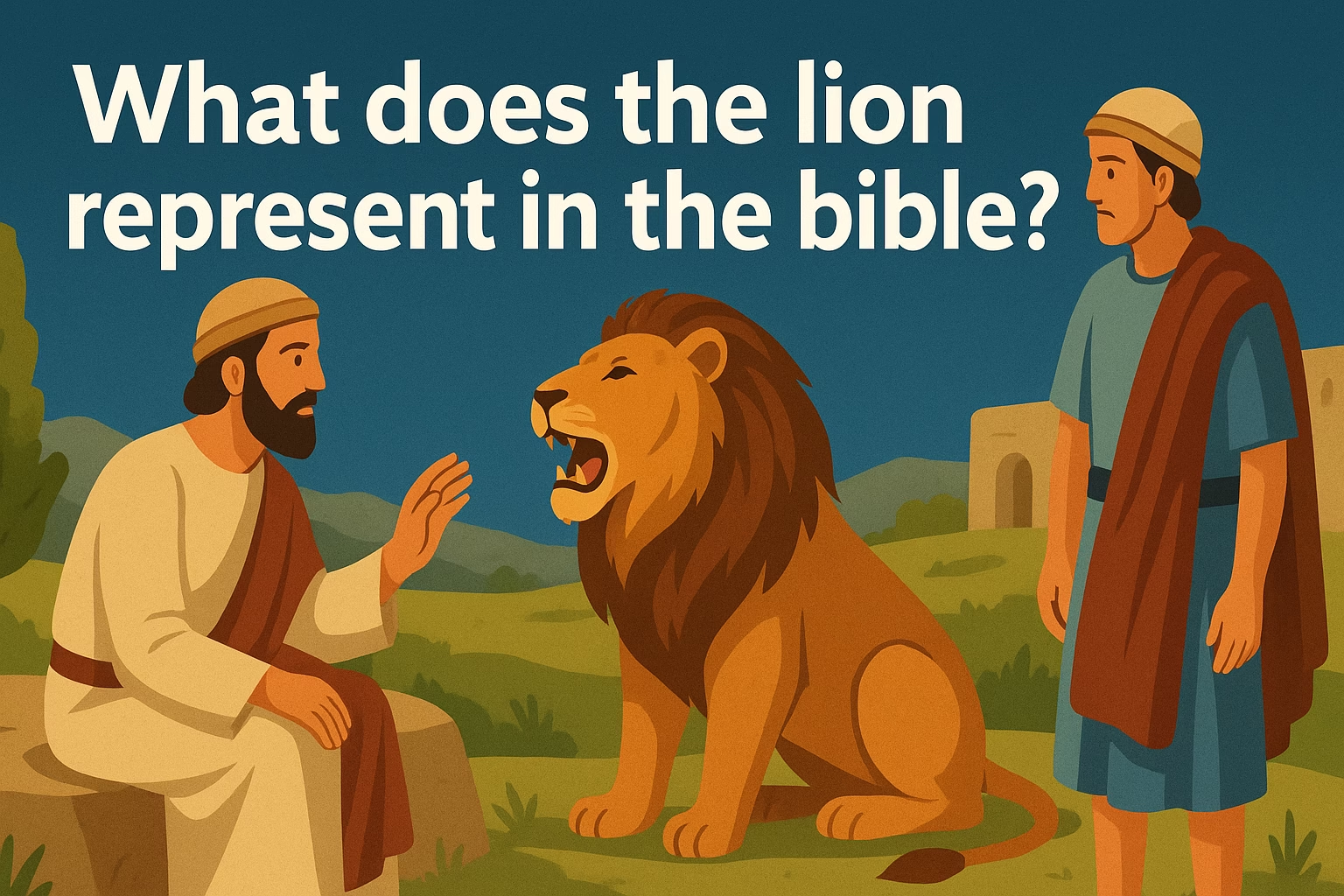
The lion is a powerful and multifaceted symbol in the Bible, representing various themes and attributes throughout Scripture. From strength and majesty to divine authority and judgment, the lion captures the essence of God’s character and His work in the world. Understanding the biblical significance of the lion can deepen our appreciation of the messages conveyed in both the Old and New Testaments.
In biblical contexts, the lion often symbolizes strength, courage, and kingship. It is frequently used to illustrate God’s might and authority, as well as the qualities that He desires in His people. The lion also serves as a reminder of the consequences of sin and the need for redemption. To truly grasp what the lion represents in the Bible, we can explore specific passages and themes that highlight its significance.
The Lion as a Symbol of Strength and Majesty
One of the most prominent representations of the lion in the Bible is its association with strength and majesty. In Proverbs 30:30, it is noted, “The lion, which is mighty among beasts and does not turn back before any.” This verse emphasizes the lion’s fearless nature and its position as a powerful creature in the animal kingdom. In this context, the lion serves as a metaphor for courage and boldness, qualities that God desires in His followers.
Additionally, in the book of Revelation, Jesus is referred to as “the Lion of the tribe of Judah” (Revelation 5:5). This title signifies His royal lineage and authority. The tribe of Judah was known for its strength and leadership, and by identifying Himself as the Lion from this tribe, Jesus affirms His position as the rightful King and the one who conquers sin and death. This imagery reinforces the idea of Jesus as the ultimate embodiment of strength and majesty.
The Lion as a Symbol of Divine Authority and Judgment
The lion also represents divine authority, particularly in the context of judgment. In Amos 3:8, it states, “The lion has roared; who will not fear? The Lord God has spoken; who can but prophesy?” Here, the roaring lion symbolizes the voice of God proclaiming His judgment. The roar of a lion is an awe-inspiring sound that commands attention and respect. Similarly, when God speaks, His authority demands a response, and the imagery of the lion underscores the seriousness of His messages.
Furthermore, in Jeremiah 25:38, God is depicted as a lion going forth from His lair to bring judgment upon the earth. This portrayal emphasizes the fierce nature of divine judgment, as well as the inevitability of God’s plans being fulfilled. The lion’s fierce qualities reflect the seriousness of sin and the consequences that arise from turning away from God.
The Lion as a Symbol of Protection and Guidance
In addition to representing strength and judgment, the lion also symbolizes protection and guidance. In Psalm 91:13, it mentions, “You will tread on the lion and the cobra; you will trample the great lion and the serpent.” This verse illustrates the idea of God’s protection over His people, allowing them to overcome dangers and adversaries, including those as fearsome as a lion. The imagery conveys that, with God’s help, believers can face their fears and challenges, as He is their refuge and strength.
Moreover, the lion is sometimes associated with the protective qualities of a shepherd. In 1 Samuel 17:34-36, David recounts how he defended his sheep from lions and bears while tending his father’s flock. This story illustrates the bravery and protective instincts of a shepherd, which parallels how God cares for His people. Just as David risked his life for his sheep, God is depicted as a loving protector who watches over His children, ensuring their safety.
The Lion in Prophetic Literature
The imagery of the lion is also prevalent in prophetic literature, where it is used to signify both warning and hope. In the prophetic writings of Isaiah, for example, the lion is used in a vision of peace in Isaiah 11:6, where it states, “The wolf shall dwell with the lamb, and the leopard shall lie down with the young goat, and the calf and the lion and the fattened calf together; and a little child shall lead them.” This passage paints a picture of harmony and peace in the Messianic age, where even the fiercest of animals will coexist peacefully.
This prophetic vision provides hope for a future where God’s kingdom will be established, and peace will reign. The presence of the lion in this context signifies that the strength and power of God will be transformed into peace and reconciliation among all creation.
The Lion as a Warning Against Sin
Lastly, the lion serves as a warning against sin and the consequences of straying from God’s path. In 1 Peter 5:8, it warns, “Be sober-minded; be watchful. Your adversary the devil prowls around like a roaring lion, seeking someone to devour.” Here, the lion is used metaphorically to depict the danger of spiritual attacks and the need for vigilance among believers. The imagery of a prowling lion emphasizes the seriousness of the threat posed by sin and evil, urging Christians to remain alert and steadfast in their faith.
This verse reminds us that while the lion can symbolize strength and majesty in God, it can also represent the lurking dangers of temptation and sin. Understanding this duality is essential for believers as they navigate their spiritual journeys, recognizing both the power of God and the reality of spiritual warfare.
The Lion as a Symbol of Christ’s Sacrifice
In addition to representing strength and divine authority, the lion also symbolizes the sacrificial nature of Christ. The duality of the lion’s character—fierce yet protective—mirrors the nature of Jesus as both the Lion of Judah and the Lamb of God. In John 1:29, John the Baptist refers to Jesus as “the Lamb of God, who takes away the sin of the world.” This juxtaposition highlights the profound mystery of Christ’s sacrifice, where His strength and authority were demonstrated through His willingness to suffer and die for humanity.
This theme becomes particularly significant during the Easter season when Christians reflect on Christ’s crucifixion and resurrection. The lion’s strength embodies the victory over death that Jesus achieved through His resurrection. Thus, while the lion represents judgment and authority, it also points to the hope and redemption found in Christ’s sacrifice. This intertwining of imagery encourages believers to embrace both the majesty of God and the humility found in His love.
The Lion in the Context of Spiritual Warfare
As noted earlier, the lion serves as a metaphor for the dangers posed by sin, particularly in 1 Peter 5:8. This imagery also connects to the broader theme of spiritual warfare found throughout the New Testament. Ephesians 6:12 reminds believers that their struggle is not against flesh and blood, but against spiritual forces of evil. Just as a lion is a predator, the devil seeks to exploit weaknesses and lead believers astray.
Recognizing the lion’s role in this context emphasizes the importance of spiritual vigilance. Believers are called to put on the full armor of God to stand firm against these attacks. This includes prayer, scripture reading, and community support. By understanding the lion’s representation of both danger and divine protection, Christians can better prepare themselves to face spiritual challenges with courage and faith.
The Lion as a Symbol of Community and Leadership
The lion also symbolizes community and leadership within the context of the Church. In many cultures, lions are seen as leaders of their pride, showcasing qualities such as protection, guidance, and unity. In the early Church, leaders were often compared to shepherds, tasked with guiding and protecting their congregations as David did with his flock. This connection highlights the responsibility of church leaders to embody the characteristics of the lion, providing strength and support to their community.
Moreover, in Revelation 7:9-10, a great multitude from every nation is described as standing before the throne and the Lamb, praising God. This imagery illustrates the unity of believers across cultures and backgrounds, much like a pride of lions working together. This reinforces the idea that the lion not only symbolizes individual strength but also the collective strength found in community and faith.
Lessons from the Lion for Today’s Believer
The lion’s multifaceted symbolism offers valuable lessons for modern believers. First, it encourages individuals to embrace their own strength and courage in their faith journeys. Just as the lion is unyielding and bold, Christians are called to stand firm in their beliefs and live out their faith with conviction.
Additionally, the lion serves as a reminder of the importance of vigilance and spiritual awareness. The call to be watchful against the prowling lion emphasizes the need for ongoing spiritual growth and the cultivation of a strong relationship with God. Believers are encouraged to seek God’s guidance, lean on His strength, and remain active in their communities.
Conclusion: The Lion’s Enduring Significance
The lion’s representation in the Bible is rich and varied, encompassing themes of strength, authority, protection, sacrifice, and community. Through the lens of Scripture, the lion serves as a powerful reminder of God’s character and His relationship with humanity. Whether as a symbol of divine judgment, a call to vigilance against sin, or an embodiment of Christ’s sacrificial love, the lion continues to resonate with believers today.
By reflecting on the lessons and imagery associated with the lion, Christians can draw strength and encouragement from these biblical truths. As they navigate their faith journeys, they can look to the lion as a symbol of both divine authority and profound love, reminding them of God’s unwavering presence in their lives.
For further exploration of themes related to kindness and community in the Bible, you may find it helpful to read about what kindness means in the Bible and how these concepts intersect with the lion’s symbolism. Additionally, for a deeper understanding of biblical teachings, visit Bible Study Times for more resources.