The Book of Ruth is a brief yet profound narrative located in the Old Testament of the Bible. It tells a story of loyalty, love, and divine providence. Set during the time of the judges, the book highlights the importance of faithfulness and the unexpected ways God works through ordinary lives. This article will explore the key themes, characters, and events that define the significance of Ruth in the biblical narrative.
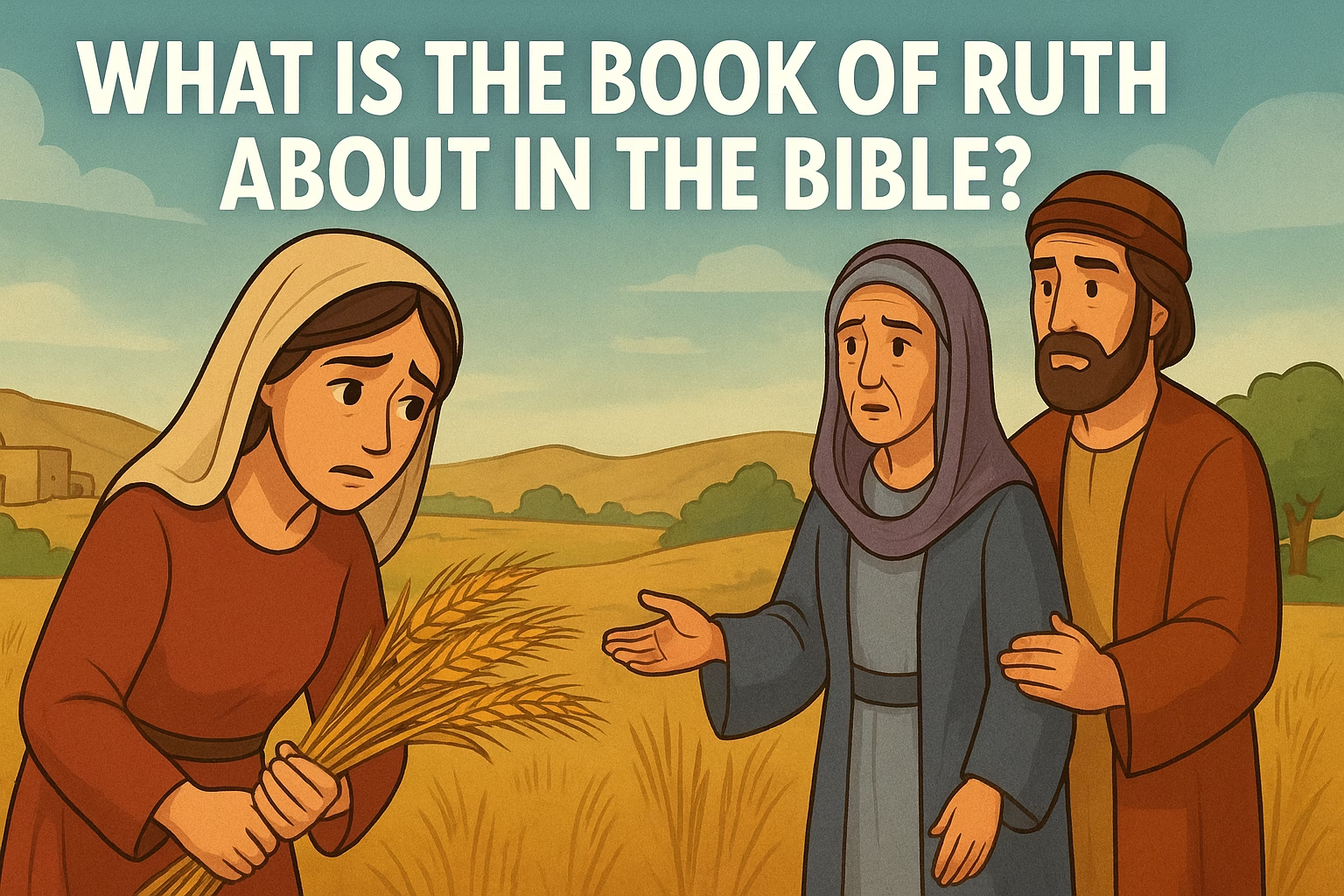
The Book of Ruth centers on the life of Ruth, a Moabite widow who becomes an ancestor of King David. The narrative unfolds in four chapters, detailing Ruth’s journey from Moab to Bethlehem, her loyalty to her mother-in-law Naomi, and her eventual marriage to Boaz, a relative of Naomi. The story emphasizes themes of redemption, loyalty, and God’s providential care for those who trust in Him.
Setting the Scene: Historical Context
To fully appreciate the Book of Ruth, it is essential to understand its historical background. The story takes place during the period of the judges, a time characterized by moral and social chaos in Israel. The Israelites often turned away from God, leading to cycles of sin, oppression, and deliverance. This backdrop of instability serves as a contrast to the steadfastness of Ruth and Naomi.
Naomi, a Jewish woman from Bethlehem, experiences immense tragedy when her husband and two sons die in Moab, leaving her with her daughters-in-law, Ruth and Orpah. In this context of loss and despair, the narrative begins to unfold, showcasing the profound bond between Naomi and Ruth.
The Characters: Naomi and Ruth
Naomi is a central figure in the story, representing a woman grappling with grief and loss. Her journey back to Bethlehem symbolizes a return to faith and hope. Naomi’s character evolves from bitterness to a renewed sense of purpose as she navigates the challenges of widowhood and poverty.
Ruth, on the other hand, embodies loyalty and commitment. Despite being a Moabite, she chooses to stay with Naomi, declaring, “Where you go, I will go; where you stay, I will stay” (Ruth 1:16 NLT). This powerful declaration highlights Ruth’s unwavering loyalty, transcending cultural and familial boundaries. Her decision to accompany Naomi back to Bethlehem is a pivotal moment in the story.
The Journey to Bethlehem
As Naomi and Ruth return to Bethlehem, the narrative emphasizes the significance of community and support. Upon their arrival, they face challenges, including poverty and social stigma. Ruth takes the initiative to glean in the fields, which was a provision in the Mosaic Law allowing the poor to collect leftover grain from harvests.
Ruth’s actions reflect her determination to care for Naomi and herself. She works tirelessly in the fields of Boaz, a wealthy relative of Naomi, who notices her hard work and kindness. The interaction between Ruth and Boaz sets the stage for the unfolding themes of redemption and grace.
The Theme of Redemption
Redemption is a central theme in the Book of Ruth. Boaz emerges as a “kinsman-redeemer,” a relative who has the right to redeem family members in need. His actions toward Ruth reflect not only his kindness but also a deeper understanding of God’s provision for His people. Boaz’s willingness to protect and provide for Ruth and Naomi illustrates the concept of redemption in both a social and spiritual sense.
The significance of this theme is further underscored in Ruth 2:12, where Boaz acknowledges Ruth’s loyalty to Naomi and blesses her for her actions. “May the Lord, the God of Israel, under whose wings you have come to take refuge, reward you fully for what you have done” (NLT). This highlights the idea that God’s care and protection extend to those who seek refuge in Him.
The Proposal and Boaz’s Response
As the story progresses, Naomi devises a plan for Ruth to approach Boaz and propose marriage. This bold move demonstrates Ruth’s courage and initiative, as well as Naomi’s strategic wisdom. In Ruth 3, Ruth approaches Boaz at the threshing floor, a culturally significant setting that symbolizes both harvest and hope. She asks him to take her under his wing, signifying her desire for protection and redemption.
Boaz responds positively to Ruth’s proposal, recognizing her virtuous character. He expresses admiration for her decision to seek him rather than younger men, showcasing the depth of their relationship. Boaz agrees to fulfill his role as a kinsman-redeemer, but first, he must address a closer relative who has the first right of redemption. This adds a layer of tension and anticipation to the narrative.
God’s Providence in Everyday Life
The Book of Ruth beautifully illustrates how God’s providence operates in the everyday lives of ordinary people. The seemingly coincidental events—Ruth gleaning in Boaz’s field, Boaz’s kindness, and Naomi’s guidance—underscore the idea that God is at work even when His presence is not immediately visible. The characters’ faithfulness and actions serve as a reminder that God’s plans often unfold through the choices we make in our daily lives.
Through the story of Ruth, readers are encouraged to recognize God’s hand in their own lives, especially during times of uncertainty and struggle. The narrative invites us to trust that, like Ruth and Naomi, we can find hope and redemption even in challenging circumstances.
The Role of Women in the Book of Ruth
The Book of Ruth stands out in the biblical narrative for its strong female characters and their pivotal roles. Both Naomi and Ruth exemplify resilience and agency, challenging the traditional expectations of women during their time. Naomi, despite her losses, takes initiative in guiding Ruth and ensuring their survival. Her plan for Ruth to approach Boaz highlights her strategic thinking and deep understanding of the customs surrounding kinsman-redeemers.
Ruth’s character is equally compelling; her loyalty and determination defy societal norms. As a foreign widow, she could have easily returned to her own people after her husband’s death. Instead, she commits herself to Naomi and adopts her people and faith. This act of allegiance not only breaks cultural barriers but also emphasizes the value of loyalty and love, which are central themes throughout the narrative.
Theological Significance of Ruth’s Inclusion in the Lineage of David
Ruth’s story is not just a tale of personal redemption; it has significant theological implications. As a Moabite, Ruth’s inclusion in the lineage of David—and ultimately in the genealogy of Jesus—speaks volumes about God’s inclusive love and grace. It challenges the exclusivity often associated with the chosen people of Israel. God’s plan for salvation extends beyond ethnic and cultural boundaries, highlighting that faith, loyalty, and love are what truly matter in His eyes.
This aspect of the narrative invites readers to reflect on the nature of God’s grace and the ways in which He can work through anyone, regardless of their background. Ruth’s story encourages believers to embrace diversity and to recognize that God’s family is made up of individuals from all nations and walks of life.
The Symbolism of Gleaning and Harvest
The act of gleaning in the fields serves as a powerful symbol throughout the Book of Ruth. It represents not only Ruth’s hard work and perseverance but also the broader themes of provision and community support. Gleaning was a practice instituted by God to care for the poor and marginalized, as outlined in Leviticus 19:9-10. By allowing the poor to gather leftover grain, God ensured that those in need would have sustenance.
Ruth’s gleaning in Boaz’s fields symbolizes a deeper spiritual truth: that God provides for His people through the generosity of others. Boaz’s willingness to allow Ruth to glean reflects his character and compassion, embodying the very essence of God’s provision. This theme of harvest not only points to physical sustenance but also foreshadows the spiritual harvest that comes through faith and obedience to God’s will.
Lessons on Loyalty and Faithfulness
The Book of Ruth serves as a powerful reminder of the importance of loyalty and faithfulness. Ruth’s dedication to Naomi is a model for how we should treat our loved ones, especially during difficult times. Her famous declaration, “Where you go, I will go; where you stay, I will stay,” encapsulates the essence of commitment and love. This commitment extends beyond familial ties and illustrates how faithfulness can transcend cultural and social barriers.
Additionally, Naomi’s faithfulness to her family, despite her bitterness and loss, teaches us about the complexities of human emotion and the importance of remaining committed to those we love. Both characters demonstrate that loyalty is not merely a feeling but a choice that can profoundly impact the lives of others.
Reflection on God’s Providence in Our Lives
As readers engage with the story of Ruth, it prompts us to reflect on our own lives and the ways in which God may be working behind the scenes. The narrative encourages us to look for God’s hand in our circumstances, especially during times of uncertainty or struggle. Just as Ruth and Naomi experienced divine provision and guidance, we too can trust that God is orchestrating events in our favor, even when we cannot see it clearly.
This call to recognize God’s providence invites us to develop a deeper trust in Him. It encourages believers to remain faithful in their daily lives, knowing that their actions can contribute to a larger narrative that God is weaving through history. The lessons from Ruth’s story remind us to be attentive to the needs of others, to be diligent in our work, and to trust in God’s overarching plan for our lives.
Closing Thoughts: Embracing the Legacy of Ruth
The Book of Ruth is more than just a story of love and redemption; it is a profound illustration of how faithfulness, loyalty, and God’s providence intersect in our lives. Through the characters of Ruth and Naomi, we learn valuable lessons about commitment, resilience, and the importance of community. The narrative invites us to embrace the legacy of Ruth, who stands as a testament to the power of love and faith in action.
As we reflect on this story, may we be inspired to demonstrate loyalty to those we love, to act justly and generously toward others, and to trust in God’s providential care as we navigate the complexities of our own lives.
For a deeper understanding of the broader context of the Bible, you might find it interesting to read about the Book of Isaiah, which explores themes of prophecy and redemption, or learn about why the Bible was written, which provides insights into the purpose and message of Scripture.