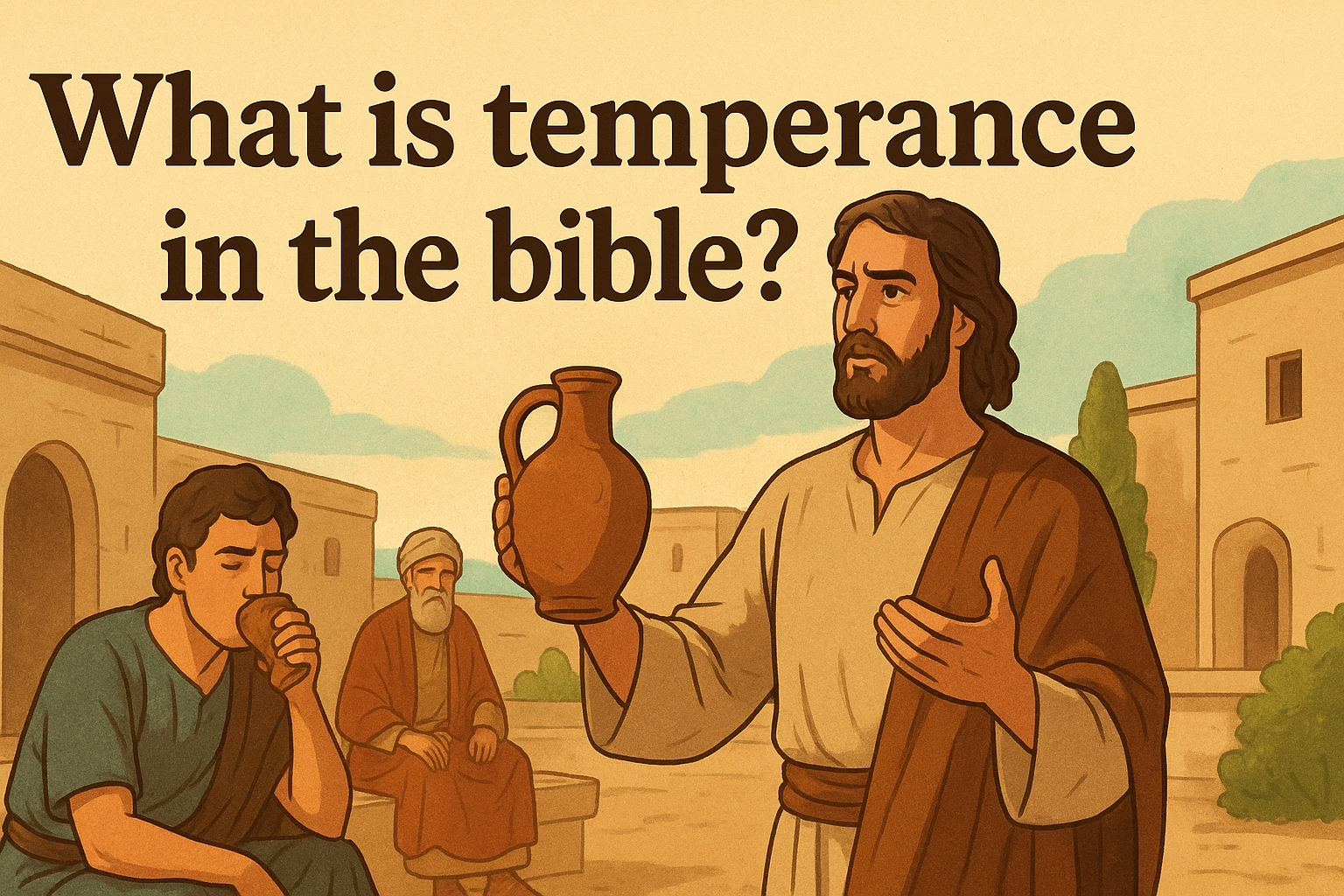
Temperance is a concept that often arises in discussions of Christian character and virtue. It is more than just self-control; it embodies a balanced approach to life, emphasizing moderation and restraint. In a world that often promotes excess and indulgence, understanding temperance through a biblical lens can provide valuable insights into living a life that honors God and promotes personal well-being.
In the Bible, temperance is frequently associated with self-control and moderation. The term itself is derived from the Latin word ‘temperare,’ which means to mix in proportion, or to moderate. In biblical texts, it is often mentioned in conjunction with other virtues, highlighting its importance in the Christian faith.
Temperance in the Fruit of the Spirit
One of the most direct references to temperance in the Bible can be found in Galatians 5:22-23, where the Apostle Paul lists the Fruit of the Spirit. In this passage, temperance is referred to as “self-control.” The full verse states:
“But the fruit of the Spirit is love, joy, peace, patience, kindness, goodness, faithfulness, gentleness, and self-control.” (Galatians 5:22-23 NLT)
This verse emphasizes that self-control is a result of the Holy Spirit’s work within believers. It is not merely a personal effort but a divine quality that should manifest in the lives of those who follow Christ. This indicates that temperance is a vital characteristic for Christians, enabling them to resist temptation and live in accordance with God’s will.
Temperance in Personal Conduct
The Bible encourages believers to exercise temperance in various aspects of life. For example, in 1 Corinthians 9:24-27, Paul uses the analogy of an athlete training for a race to illustrate the importance of self-discipline:
“Don’t you realize that in a race everyone runs, but only one person gets the prize? So run to win! All athletes are disciplined in their training. They do it to win a prize that will fade away, but we do it for an eternal prize.” (1 Corinthians 9:24-25 NLT)
Here, Paul emphasizes that just as athletes must control their bodies and desires to succeed, Christians are called to exercise self-discipline in their spiritual lives. This includes resisting sinful behaviors and pursuing righteousness, which is essential for spiritual growth and maturity.
The Role of Temperance in Relationships
Temperance is also crucial in how believers interact with others. Proverbs 25:28 states:
“A person without self-control is like a city with broken-down walls.” (Proverbs 25:28 NLT)
This metaphor illustrates the vulnerability that comes from a lack of self-control. Individuals who cannot exercise temperance may act out in anger, jealousy, or other negative emotions, leading to damaged relationships. Therefore, cultivating temperance can help foster healthier interactions and promote peace within communities.
Temperance in the Context of Indulgence
The Bible also addresses the issue of indulgence and excess, particularly in relation to food and drink. Proverbs 20:1 warns:
“Wine produces mockers; alcohol leads to brawls. Those led astray by drink cannot be wise.” (Proverbs 20:1 NLT)
This verse serves as a caution against excessive drinking and the consequences that may follow. The Bible does not condemn alcohol outright, but it does emphasize moderation. In Ephesians 5:18, Paul advises:
“Don’t be drunk with wine, because that will ruin your life. Instead, be filled with the Holy Spirit.” (Ephesians 5:18 NLT)
Here, temperance serves as a guiding principle, helping believers to enjoy the good things in life without falling into the pitfalls of excess. By practicing moderation, Christians can maintain a clear mind and a heart that is responsive to the Holy Spirit.
Temperance as a Fruit of Faith
In 2 Peter 1:5-7, Peter outlines a progression of virtues that believers should strive to cultivate, beginning with faith:
“In view of all this, make every effort to respond to God’s promises. Supplement your faith with a generous provision of moral excellence, and moral excellence with knowledge, and
Understanding Temperance Through the Lens of Biblical Teachings
Temperance, while often associated with self-control, carries deeper implications in the context of biblical teachings. It is not simply the absence of indulgence but rather an active engagement in moderation and balance in all aspects of life. The Bible encourages believers to consider how their choices reflect their faith and commitment to God.
The Importance of Inner Transformation
In Romans 12:1-2, Paul urges believers to present their bodies as living sacrifices, holy and pleasing to God. He continues by advising them not to conform to the patterns of this world but to be transformed by the renewing of their minds. This transformation is essential for understanding and practicing temperance. As believers grow in their relationship with Christ, they become better equipped to exercise self-control and moderation.
By allowing the Holy Spirit to renew their minds, Christians can develop a clearer understanding of what temperance looks like in their lives. This process involves discerning between what is beneficial and what may lead to excess or harm, thus fostering a lifestyle that honors God.
Temperance in the Face of Temptation
Temptation is a recurring theme in the Bible, and temperance plays a crucial role in how believers respond to it. James 1:12-15 discusses the progression of temptation, highlighting that it can lead to sin and ultimately death if not addressed. Here, temperance acts as a protective measure against the allure of temptation. It enables individuals to pause, reflect, and choose a path that aligns with their values and faith.
Furthermore, 1 Corinthians 10:13 reassures believers that God provides a way out of temptation. Understanding this promise can encourage Christians to rely on divine strength when facing challenges, reinforcing the idea that temperance is not solely a personal endeavor but a collaborative effort with God.
Temperance and Community Life
In the context of community, temperance is vital for maintaining harmony and unity. Philippians 4:5 encourages believers to let their gentleness be evident to all. This gentleness is a manifestation of temperance, where individuals exercise restraint in their reactions and interactions. When believers practice temperance, they contribute to a supportive environment where love and respect thrive.
Moreover, Galatians 6:1 advises believers to restore those caught in sin gently, emphasizing the need for a temperate approach in addressing issues within the community. This gentle restoration requires a balance of truth and love, showcasing how temperance fosters healthy relationships and accountability among believers.
Practical Steps to Cultivate Temperance
Developing temperance is a journey that involves intentional choices and actions. Here are some practical steps to cultivate this virtue in daily life:
- Prayer and Meditation: Seek God’s guidance through prayer and meditation on Scripture. This can help align your desires with His will.
- Accountability: Surround yourself with fellow believers who can encourage and hold you accountable in your pursuit of temperance.
- Set Boundaries: Identify areas in your life where you may struggle with excess and establish boundaries to maintain balance.
- Reflect on Consequences: Consider the potential consequences of your choices, fostering a mindset that values moderation over indulgence.
- Practice Gratitude: Cultivating a spirit of gratitude can shift focus from wanting more to appreciating what you already have, supporting a temperate lifestyle.
Conclusion: Embracing Temperance as a Christian Virtue
Temperance is a multifaceted virtue that encompasses self-control, moderation, and balance within the framework of Christian living. It is essential for personal growth, healthy relationships, and spiritual maturity. By understanding temperance through a biblical lens, believers can better navigate the complexities of life, resisting temptation and fostering a community rooted in love and respect.
As Christians strive to embody this virtue, they not only honor God but also reflect His character to the world around them. Embracing temperance is a commitment to living a life that is pleasing to God, demonstrating the transformative power of faith in action.
For further exploration of related biblical principles, you may find insights in these articles: forbearance in the Bible and what the Bible says about temptation.