The concept of an omer in the Bible is both significant and multifaceted. It appears in various contexts, primarily related to the Israelites’ journey through the wilderness and their agricultural practices. In this article, we will explore what an omer is, its biblical significance, and how it relates to key events in the Scriptures.
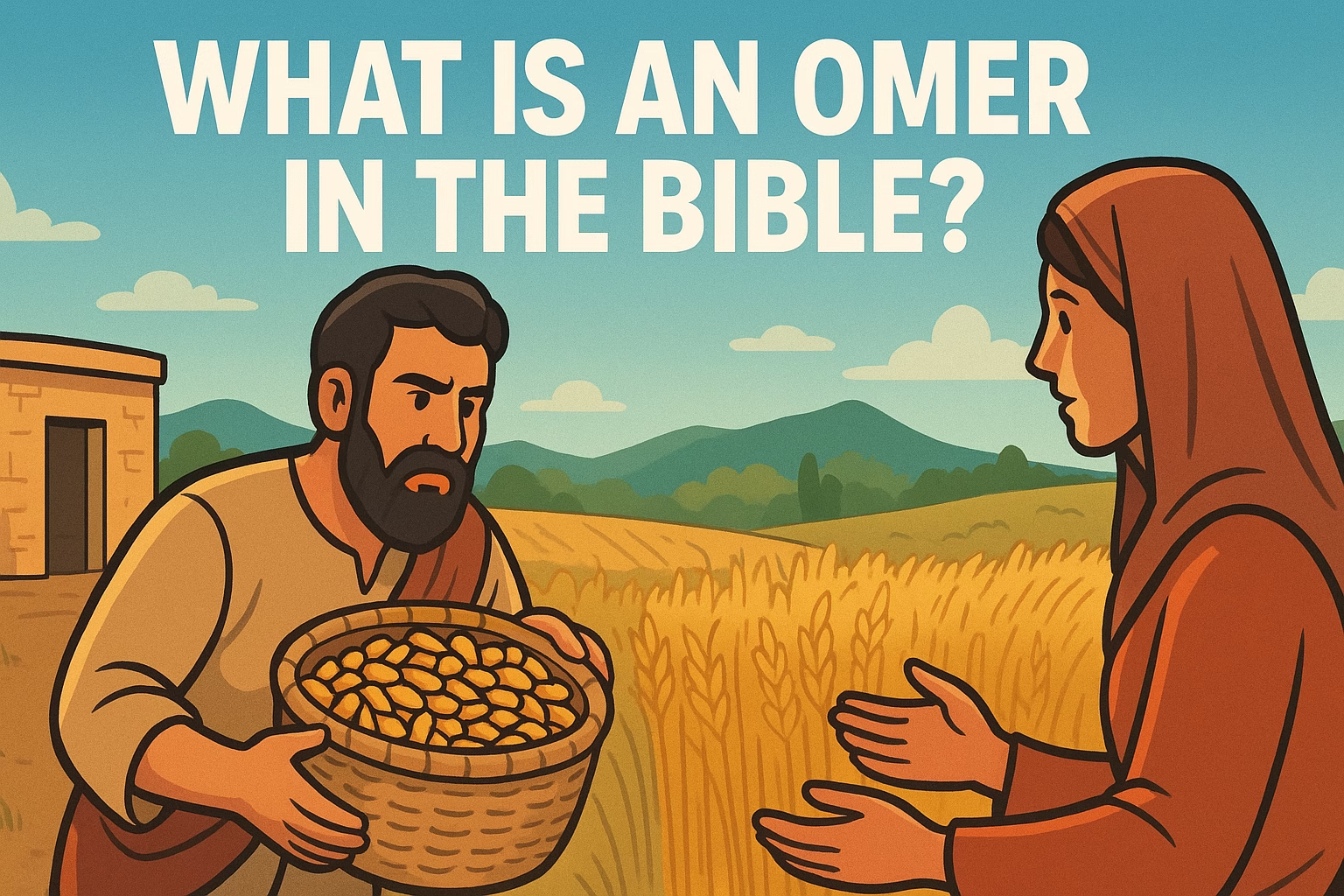
An omer is a unit of measurement used in the Bible, specifically for dry goods. It is most commonly associated with the gathering of manna, the miraculous food provided by God to the Israelites during their time in the wilderness. The term “omer” itself is derived from the Hebrew word “omer,” which means sheaf or bundle.
The Omer as a Measurement
In the context of the Bible, an omer is described as the amount of manna that a single person was to gather each day. According to Exodus 16:16-18, each Israelite was instructed to collect an omer of manna per person for their household. This amounted to about two quarts or approximately 2.3 liters. The passage emphasizes that each person was to gather only what they needed, demonstrating God’s provision and care for His people.
The instructions regarding the omer of manna were crucial for the Israelites. They had to trust in God’s daily provision, as any excess gathered would spoil by the following day. This practice not only provided nourishment but also served as a lesson in faith and reliance on God. The gathering of the omer was an exercise in obedience and discipline, reinforcing the importance of following God’s commands.
The Omer and the Feast of Unleavened Bread
The omer also has significance in relation to the Feast of Unleavened Bread, which is celebrated during the Passover season. Leviticus 23:10-11 instructs the Israelites to bring a sheaf of the first grains of their harvest to the priest on the day after the Sabbath. This sheaf is referred to as the “omer of the first fruits.” The priest would wave this omer before the Lord as an offering, marking the beginning of the harvest season.
This act of presenting the omer symbolizes gratitude for God’s provision and the acknowledgment that all blessings come from Him. It is a reminder of the agricultural cycle and the importance of dedicating the first fruits of one’s labor to God. The omer of the first fruits also plays a role in counting the days leading to the Feast of Weeks, or Shavuot, which occurs fifty days after Passover.
The Omer Count and Spiritual Significance
One of the most profound uses of the omer in the Bible is in the counting of the omer, a spiritual practice observed by the Jewish people. This practice begins on the second night of Passover and continues for seven weeks, culminating in Shavuot. Each day of the count is significant, as it represents a journey towards spiritual growth and renewal.
The counting of the omer is a time for reflection and preparation, where individuals focus on self-improvement and drawing closer to God. It serves as a reminder of the Israelites’ transition from slavery in Egypt to receiving the Torah at Mount Sinai. This journey from physical liberation to spiritual enlightenment is central to the Jewish faith, emphasizing the connection between the omer and the broader themes of redemption and divine guidance.
The Omer in Contemporary Practice
Today, the counting of the omer continues to be observed in Jewish communities around the world. Each evening, participants recite a blessing and count the days, reflecting on their personal growth and spiritual aspirations. This practice serves as a bridge between ancient traditions and modern faith expressions, highlighting the enduring significance of the omer.
In addition to its spiritual implications, the omer also has practical applications in agriculture. The concept of first fruits and the importance of giving thanks for the harvest remains relevant in contemporary farming practices. Many farmers still dedicate a portion of their first harvest to God, reflecting the biblical principle of stewardship and gratitude.
The Symbolism of the Omer
Beyond its practical applications, the omer carries rich symbolism within the biblical narrative. It represents God’s provision, the importance of obedience, and the journey of faith. The act of gathering manna and counting the omer illustrates the relationship between God and His people, emphasizing trust, reliance, and gratitude.
In summary, the omer in the Bible serves as a unit of measurement, a symbol of God’s provision, and a spiritual practice that highlights the journey from physical sustenance to spiritual growth. Its significance is woven throughout Scripture, reminding us of the importance of faith, obedience, and gratitude in our relationship with God.
The Omer and Its Connection to Jewish Festivals
The omer’s significance extends beyond just the Feast of Unleavened Bread and Shavuot; it is intricately linked to the rhythm of Jewish festivals and agricultural cycles. The counting of the omer serves as a bridge between Passover, which commemorates the Israelites’ escape from slavery, and Shavuot, which celebrates the giving of the Torah. This connection emphasizes the journey from physical freedom to spiritual enlightenment, a theme central to Jewish identity.
During this period, each day of the omer is often associated with specific attributes of personal growth, known in Hebrew as the “Sefirot.” These attributes include kindness, strength, compassion, and humility. By reflecting on these qualities, individuals can embark on a spiritual journey that deepens their relationship with God and enhances their character. This practice highlights the transformative power of the omer, making it a time for both communal and personal reflection.
The Omer in the New Testament Context
Although the concept of the omer is primarily rooted in the Old Testament, it also finds resonance in the New Testament. The New Testament depicts the outpouring of the Holy Spirit at Pentecost, which occurs fifty days after Passover, aligning with the conclusion of the omer count. This event marked the birth of the Christian Church and the fulfillment of Jesus’ promise to send the Holy Spirit as a guide and comforter.
The timing of this event is significant, as it mirrors the Jewish understanding of Shavuot as a time of divine revelation and commitment to God’s law. For Christians, this connection illustrates how the omer not only serves as a reminder of God’s provision in the past but also signifies the ongoing work of the Holy Spirit in the lives of believers today.
Lessons from the Omer: Trust and Dependence on God
The gathering of the omer of manna teaches vital lessons about trust and dependence on God. Each Israelite was instructed to gather only what was needed for the day, thereby fostering a reliance on God’s provision. This principle of daily dependence is echoed in the Lord’s Prayer, where believers are taught to ask for “our daily bread.” Such teachings encourage a lifestyle of faith that recognizes God’s continual sustenance, both physically and spiritually.
Moreover, the spoilage of excess manna serves as a reminder that worry and greed can undermine our trust in God’s faithfulness. The omer illustrates that God desires a relationship built on faith rather than fear, inviting believers to approach Him with confidence and gratitude.
The Omer and Community
The practice of counting the omer also highlights the importance of community in the Jewish faith. As families and congregations come together to participate in this tradition, they reinforce bonds of fellowship and shared purpose. This communal aspect allows individuals to support one another in their spiritual journeys, creating an environment where growth can flourish.
In the New Testament, this sense of community is echoed in the teachings of Jesus and the early Church, emphasizing the importance of unity among believers. The omer, therefore, serves not only as a personal spiritual practice but also as a collective journey toward deeper faith and understanding.
Conclusion: The Enduring Significance of the Omer
In conclusion, the omer is a multifaceted symbol in the Bible that encapsulates themes of provision, faith, community, and spiritual growth. Its historical and agricultural significance, combined with its spiritual applications during the counting of the omer, highlights the journey from physical sustenance to a deeper relationship with God. Whether through the lens of Jewish tradition or Christian understanding, the omer invites believers to reflect on their trust in God and their commitment to spiritual growth.
As we engage with the concept of the omer, we are reminded of the importance of gratitude, obedience, and community in our faith journeys. The omer stands as a powerful symbol that continues to resonate in both ancient and modern contexts, encouraging us to cultivate a spirit of reliance on God’s faithful provision.
To further explore the significance of biblical practices, consider reading about the Feast of Unleavened Bread and the symbolism of first fruits.