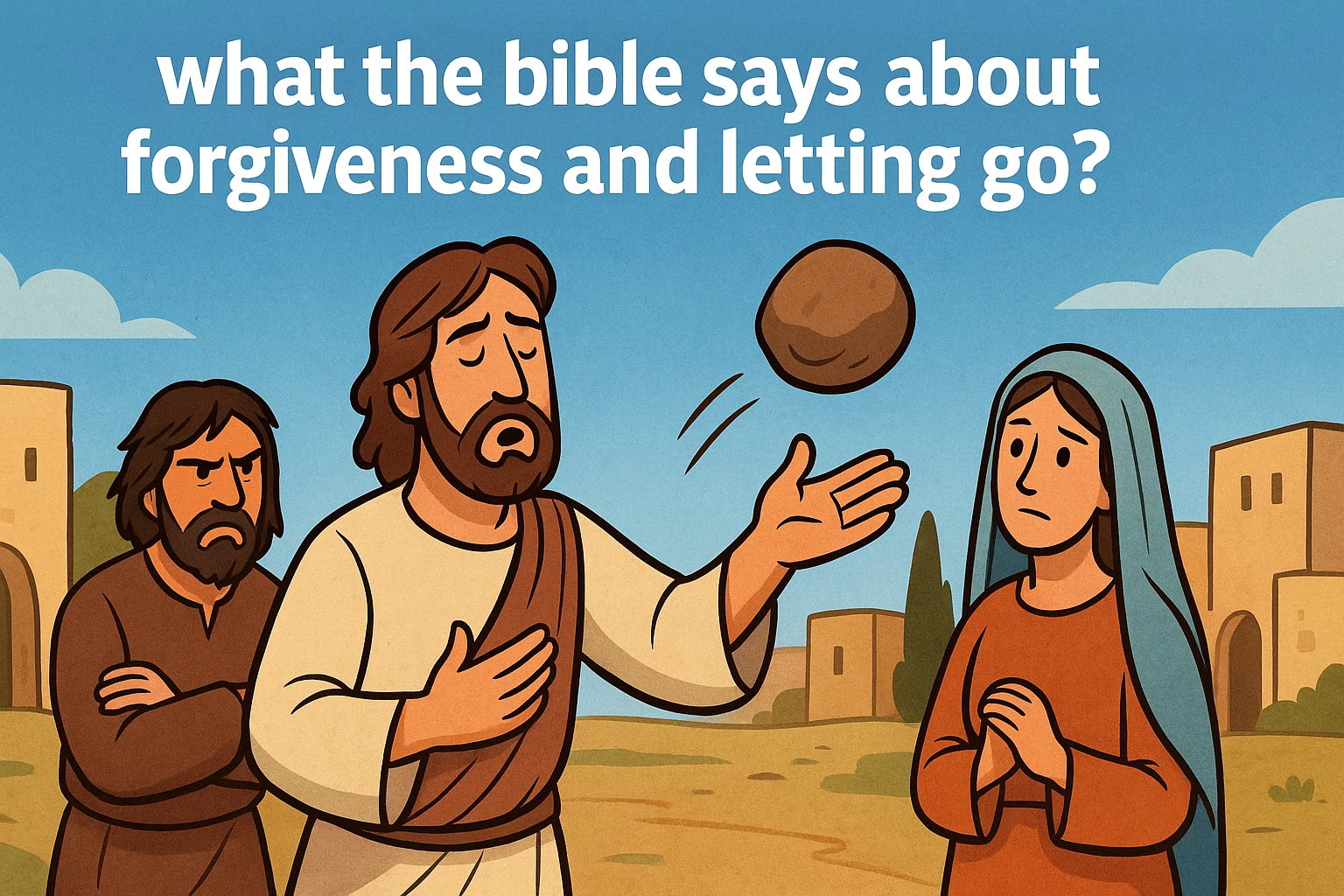
Forgiveness is a central theme in the Bible, woven throughout both the Old and New Testaments. It speaks to the heart of human relationships and our connection with God. Understanding what the Bible says about forgiveness and letting go can profoundly impact our lives, helping us to heal and build healthier relationships. In this article, we will explore key biblical passages and principles that address the importance of forgiveness and the process of letting go of past hurts.
The Bible teaches that forgiveness is not just a suggestion but a command from God. It is an essential part of our faith journey. In Matthew 6:14-15, Jesus emphasizes that if we forgive others their offenses, God will also forgive us. However, if we do not forgive others, we will not receive God’s forgiveness. This highlights the reciprocal nature of forgiveness in our relationship with God and others.
Understanding Forgiveness in the Bible
Forgiveness in the Bible is often described as a release from the burden of offense. It is not merely about saying “I forgive you” but involves a deep, internal process of letting go of resentment and anger. One of the most poignant examples of forgiveness in Scripture is found in the story of Joseph in Genesis. After being sold into slavery by his brothers, Joseph ultimately forgives them, saying, “You intended to harm me, but God intended it for good” (Genesis 50:20). This illustrates the transformative power of forgiveness, as Joseph chooses to see God’s larger plan rather than dwell on his brothers’ betrayal.
The Importance of Forgiving Others
Forgiving others is crucial for our spiritual and emotional well-being. In Ephesians 4:31-32, Paul instructs believers to get rid of all bitterness, rage, and anger, and instead, to be kind and compassionate, forgiving each other just as God forgave them in Christ. This passage emphasizes that our forgiveness of others should mirror the forgiveness we receive from God. It encourages us to let go of negative emotions that can weigh us down and to embrace a spirit of kindness and compassion.
The Challenge of Letting Go
Letting go of past hurts can be incredibly challenging. Many people struggle with the pain of betrayal, loss, or injustice, and the process of forgiveness may not happen overnight. The Bible acknowledges this struggle. In Psalm 51, David cries out to God for mercy after his sin with Bathsheba, demonstrating the deep sorrow and regret that can accompany the need for forgiveness. However, David also shows us the importance of turning back to God, seeking His help in the healing process.
God’s Forgiveness as Our Model
One of the core teachings of Christianity is that God’s forgiveness is unconditional and freely given. In 1 John 1:9, we are assured that if we confess our sins, God is faithful and just to forgive us. This assurance is foundational for understanding how we should approach forgiveness in our own lives. If God can forgive us, despite our shortcomings, we too are called to extend that same grace to others. This does not mean that we excuse harmful behavior, but rather that we choose to release our hold on the offense.
Practical Steps to Forgiveness
Forgiveness is often a process rather than a one-time event. Here are some practical steps based on biblical principles to help you in your journey toward forgiveness:
- Reflect on God’s Forgiveness: Spend time in prayer and meditation, contemplating the depth of God’s forgiveness toward you. This can help to soften your heart and make it easier to forgive others.
- Acknowledge Your Feelings: It’s important to recognize and validate your feelings of hurt or anger. Ignoring these emotions can hinder the healing process.
- Choose to Forgive: Forgiveness is a choice. You may not feel ready, but making the decision to forgive can initiate the healing process.
- Pray for the Offender: Praying for those who have hurt you can be a powerful step toward letting go of resentment. This practice can shift your perspective and help you cultivate compassion.
- Seek Support: Sometimes, talking to a trusted friend, pastor, or counselor can provide the support you need to navigate your feelings and find the strength to forgive.
Forgiveness is not about forgetting the offense or denying the pain caused. Instead, it is about freeing yourself from the emotional burden that can weigh heavily on your spirit. Jesus illustrates this through the parable of the unmerciful servant in Matthew 18:21-35, where a servant who is forgiven a massive debt refuses to forgive a small debt owed to him. This parable serves as a stark reminder of the importance of extending grace to others just as we have received it from God.
The Role of Forgiveness in Healing
Forgiveness plays a crucial role in emotional and spiritual healing. When we choose to forgive, we begin to release the power that past offenses have over us. This release can lead to a sense of peace and restoration. In Isaiah 43:18-19, God encourages His people to forget the former things and not dwell on the past, promising to do a new thing. This call to let go of past grievances aligns with the healing power of forgiveness, allowing us to move forward in life without the heavy burdens of anger and resentment.
Forgiveness as a Reflection of God’s Love
Forgiveness is not only about our relationships with others but also reflects our relationship with God. In Colossians 3:13, Paul instructs believers to forgive as the Lord forgave them. This directive emphasizes that our acts of forgiveness should mirror God’s unconditional love and mercy. By forgiving others, we showcase the transformative power of God’s love in our lives. It is a way of demonstrating our understanding of grace and our willingness to embody that grace in our interactions with others.
The Spiritual Benefits of Forgiveness
Forgiveness brings numerous spiritual benefits that can deepen our faith and strengthen our relationship with God. For instance, in Mark 11:25, Jesus teaches that when we stand praying, we must forgive anyone we hold something against, so our Father in heaven may also forgive our sins. This connection illustrates that forgiveness is integral to our spiritual health and our communion with God. Holding onto grudges can create a barrier between us and God, while forgiveness opens the door for a more profound experience of His presence and grace.
Forgiveness and Community
The act of forgiving can also positively impact our communities. In the New Testament, the early church faced challenges related to conflict and division. In Acts 2:42-47, we see the believers devoted to fellowship, breaking of bread, and prayer, which fostered unity and love among them. When individuals within a community practice forgiveness, it creates an environment of support and understanding. This collective spirit of forgiveness can help to heal divisions and foster stronger relationships among community members.
Barriers to Forgiveness
While forgiveness is essential, there are often barriers that prevent individuals from letting go. These can include pride, fear, or a desire for revenge. The Bible recognizes these struggles, as seen in Matthew 5:23-24, where Jesus teaches that if we are offering our gift at the altar and remember that someone has something against us, we should first go and be reconciled to that person. This acknowledgment of barriers highlights the importance of actively seeking resolution and healing, rather than allowing unresolved issues to linger.
Forgiveness in Difficult Situations
Some situations can make forgiveness particularly challenging, especially when the offense is severe or repeated. In such cases, it is vital to remember that forgiveness does not necessarily mean reinstating trust or condoning the behavior. In Romans 12:19, Paul reminds us that vengeance belongs to God, encouraging us to leave judgment in His hands. This perspective can help us navigate the complexities of forgiveness, allowing us to release our anger while still protecting ourselves from further harm.
Forgiveness as a Journey
Forgiveness is often described as a journey rather than a destination. It may require time and repeated efforts, especially for deep wounds. In Philippians 3:13-14, Paul speaks of forgetting what is behind and straining toward what is ahead. This mindset can be helpful in the process of forgiveness, urging us to focus on healing and growth rather than lingering in past hurts. Engaging in prayer, reflection, and seeking God’s guidance can be essential components of this journey, leading to greater emotional freedom.
Questions for Reflection
As you consider the biblical teachings on forgiveness, it may be helpful to reflect on some questions:
- What past offenses am I struggling to forgive?
- How does understanding God’s forgiveness toward me influence my ability to forgive others?
- In what practical ways can I demonstrate forgiveness in my relationships?
- What steps can I take to address barriers that hinder my ability to forgive?
Conclusion
Forgiveness is a profound and transformative act that lies at the heart of Christian faith. By choosing to forgive, we not only release ourselves from the burdens of resentment and anger but also reflect God’s love and grace to the world around us. The Bible provides us with a roadmap for understanding and practicing forgiveness, encouraging us to let go of past hurts and embrace healing. As we navigate our unique journeys of forgiveness, may we find strength in God’s promises and the support of our faith communities, ultimately experiencing the freedom that comes from letting go.
For further insights into forgiveness and its impact on emotional healing, consider exploring this article on forgiveness and emotional health and this piece discussing the spiritual significance of letting go.