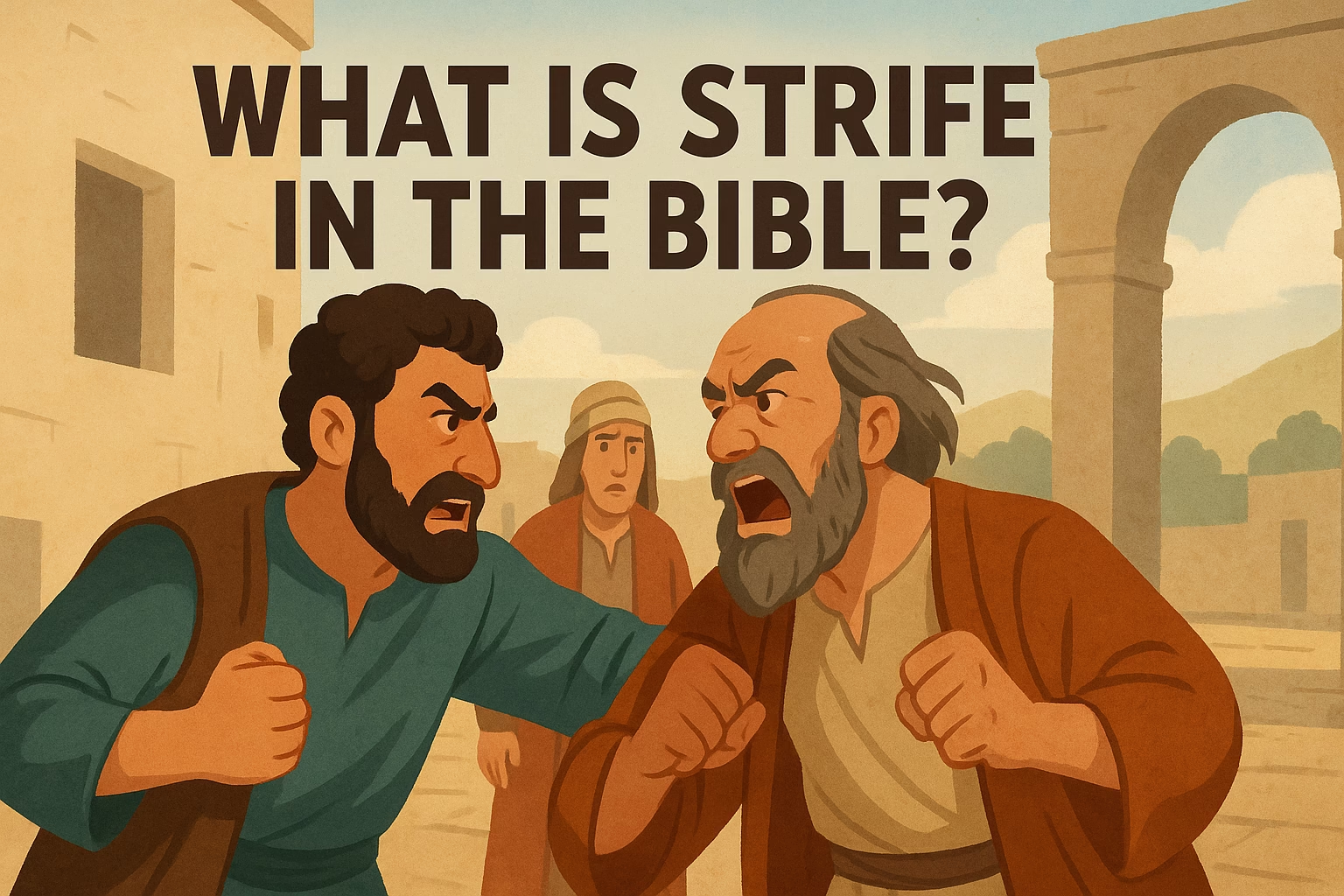
Strife is a term that appears throughout the Bible, often highlighting conflict, discord, or struggle among individuals or groups. Understanding strife in the biblical context reveals its significance in the lives of believers and the importance of seeking peace. In this article, we will explore what strife means according to Scripture, its implications, and how it relates to our daily lives.
In biblical terms, strife refers to conflict or contention that arises from disagreements, disputes, or opposing interests. It can manifest in various forms, including quarrels, jealousy, and even violence. The Bible addresses strife in multiple contexts, emphasizing its destructive nature and the consequences it can bring to relationships and communities.
Strife in the Old Testament
The Old Testament presents numerous examples of strife, often depicting the struggles between individuals, families, and nations. One notable example is the conflict between Cain and Abel, where jealousy and anger led to Cain murdering his brother (Genesis 4:8). This story illustrates how strife can stem from personal grievances and unresolved emotions.
Another significant instance of strife is found in the story of Abraham and Lot. In Genesis 13:7-9, we read about the quarrel that arose between their herdsmen due to the abundance of livestock and the limited resources of the land. Abraham, seeking peace, proposed that they separate to avoid strife, demonstrating the importance of resolving conflicts amicably.
Strife Among Nations
The Old Testament also addresses strife on a larger scale, particularly between nations. The books of the prophets often depict the strife caused by disobedience to God and the resulting consequences for Israel and its neighbors. For instance, the conflicts between Israel and the surrounding nations were frequently attributed to Israel’s unfaithfulness to God, leading to strife and warfare.
In Isaiah 54:17, God promises that no weapon formed against His people shall prosper, emphasizing His protection amid strife. This verse serves as a reminder that while strife may occur, God is ultimately in control and can bring peace to tumultuous situations.
Strife in the New Testament
In the New Testament, strife continues to be a relevant theme, particularly as it pertains to the community of believers. The Apostle Paul addresses the issue of strife in several of his letters, urging unity and reconciliation among Christians. In Galatians 5:19-21, Paul lists strife among the acts of the flesh, indicating that it is contrary to the Spirit-led life that believers are called to live.
In Philippians 2:3-4, Paul encourages believers to do nothing out of selfish ambition or vain conceit, but to consider others better than themselves. This teaching highlights the importance of humility and selflessness in preventing strife within the church. When believers prioritize love and unity over personal desires, strife can be avoided.
The Role of Wisdom
Proverbs provides valuable insights into the nature of strife and the importance of wisdom in relationships. Proverbs 20:3 states, “Avoiding a fight is a mark of honor; only fools insist on quarreling.” This verse underscores the wisdom in seeking peace rather than engaging in strife. The book of Proverbs also emphasizes the value of patience and understanding as tools to diffuse potential conflicts.
Moreover, James 3:16 warns that where there is envy and selfish ambition, there will also be disorder and every evil practice. This verse serves as a reminder that strife often arises from unhealthy motivations. By cultivating a heart of humility and seeking wisdom, believers can navigate conflicts more effectively.
Strife and Its Consequences
The Bible makes it clear that strife can have serious consequences. Strife can lead to broken relationships, division within communities, and even spiritual turmoil. In Proverbs 17:14, it states, “Starting a quarrel is like opening a floodgate; so stop before a dispute breaks out.” This metaphor illustrates how strife can escalate quickly, causing widespread damage if not addressed early.
Furthermore, strife can hinder one’s relationship with God. In Matthew 5:23-24, Jesus teaches that if someone is offering a gift at the altar and remembers that their brother has something against them, they should first go and be reconciled before continuing with their worship. This highlights the importance of resolving strife in our relationships as a condition for genuine worship.
Strife in the Context of Forgiveness
Forgiveness plays a crucial role in overcoming strife. The Bible encourages believers to forgive one another in order to restore relationships and foster peace. In Colossians 3:13, Paul instructs Christians to bear with each other and forgive one another, just as the Lord forgave them. This principle is essential in resolving strife, as it allows individuals to move past grievances and work towards reconciliation.
Additionally, Jesus’ teaching on forgiveness in Matthew 18:21-22 emphasizes the need for limitless forgiveness. This attitude not only prevents strife but also promotes a spirit of love and unity within the body of Christ.
As we delve deeper into the topic of strife in the Bible, it becomes clear that while strife is a part of human experience, it is not the intended state for believers. The Scriptures provide guidance on how to navigate conflicts, emphasizing the importance of humility, forgiveness, and seeking peace. Understanding the biblical perspective on strife can help us cultivate healthier relationships and foster a spirit of unity in our communities.
Understanding the Nature of Strife
Strife is not just a mere disagreement; it often stems from deeper issues such as pride, selfishness, and lack of understanding. The Bible portrays strife as a manifestation of the human condition, where sin can lead to conflict. By recognizing the underlying causes of strife, believers can take proactive steps to address the root issues rather than just the symptoms.
In Romans 12:18, Paul encourages believers to live at peace with everyone, as much as it depends on them. This implies that while strife may arise, it is essential for Christians to actively work towards reconciliation. The acknowledgment of one’s role in conflict resolution is a critical step in promoting peace.
Strife and Community
Strife can have a profound impact on the church community. When disagreements arise, they can lead to division, gossip, and a breakdown of trust among members. In 1 Corinthians 1:10, Paul appeals to the church to agree with one another and avoid divisions, emphasizing the importance of unity in the body of Christ. This call for unity is not merely about avoiding conflict but actively fostering a spirit of cooperation and love.
Moreover, the early church faced its own share of strife, as seen in Acts 6:1-7, where the Hellenistic Jews complained against the Hebraic Jews regarding the distribution of food. This conflict prompted the apostles to address the issue directly, resulting in the appointment of deacons to manage the situation. This example illustrates the importance of addressing strife head-on and finding solutions that honor God and promote harmony.
Practical Steps to Overcome Strife
Scripture not only highlights the reality of strife but also provides practical guidance for overcoming it. One critical step is communication. In Matthew 18:15, Jesus instructs that if someone sins against you, you should go to them privately to address the issue. This approach encourages open dialogue and prevents misunderstandings from escalating into larger conflicts.
Additionally, practicing active listening is essential. James 1:19 advises believers to be quick to listen, slow to speak, and slow to become angry. By genuinely listening to others, we can better understand their perspectives and work towards resolution. This attitude fosters empathy and compassion, which can significantly reduce strife.
The Role of Prayer
Prayer is a vital tool in dealing with strife. It allows individuals to seek God’s guidance and wisdom in resolving conflicts. Philippians 4:6-7 encourages believers not to be anxious but to present their requests to God through prayer. This act of surrendering conflicts to God can bring peace to the heart and help navigate difficult situations with grace.
Furthermore, praying for those with whom we are in conflict can transform our hearts. Jesus taught in Luke 6:28 to bless those who curse you and pray for those who mistreat you. This radical approach not only changes our perspective but can also lead to healing and reconciliation.
Strife as a Test of Faith
Strife can also serve as a test of faith. In times of conflict, believers are challenged to respond in ways that reflect their faith in God. James 1:2-4 encourages believers to consider it pure joy when facing trials, knowing that the testing of faith produces perseverance. This perspective can help believers view strife not merely as an obstacle but as an opportunity for spiritual growth and maturity.
Moreover, the way believers respond to strife can serve as a testimony to others. In John 13:35, Jesus states that people will know His disciples by their love for one another. When believers handle strife with love and grace, they reflect the character of Christ and can draw others to Him.
Conclusion: Embracing Peace in a World of Strife
Strife is an inevitable part of human relationships, but the Bible provides a clear path for navigating conflict in a way that honors God and promotes peace. By understanding the nature of strife, practicing humility, effective communication, and prayer, believers can overcome conflicts and foster unity within their communities. The call to seek peace and pursue it is not just a suggestion; it is a vital aspect of living out the Christian faith.
As we strive to embody the teachings of Scripture, let us remember that our response to strife can either contribute to division or build bridges of reconciliation. In a world often marked by conflict, we are called to be peacemakers, reflecting the love of Christ in every interaction.
For further insights on how to navigate conflicts biblically, consider reading about the importance of forgiveness and how it relates to overcoming strife. Additionally, explore the role of community in resolving disputes for a deeper understanding of maintaining unity among believers.