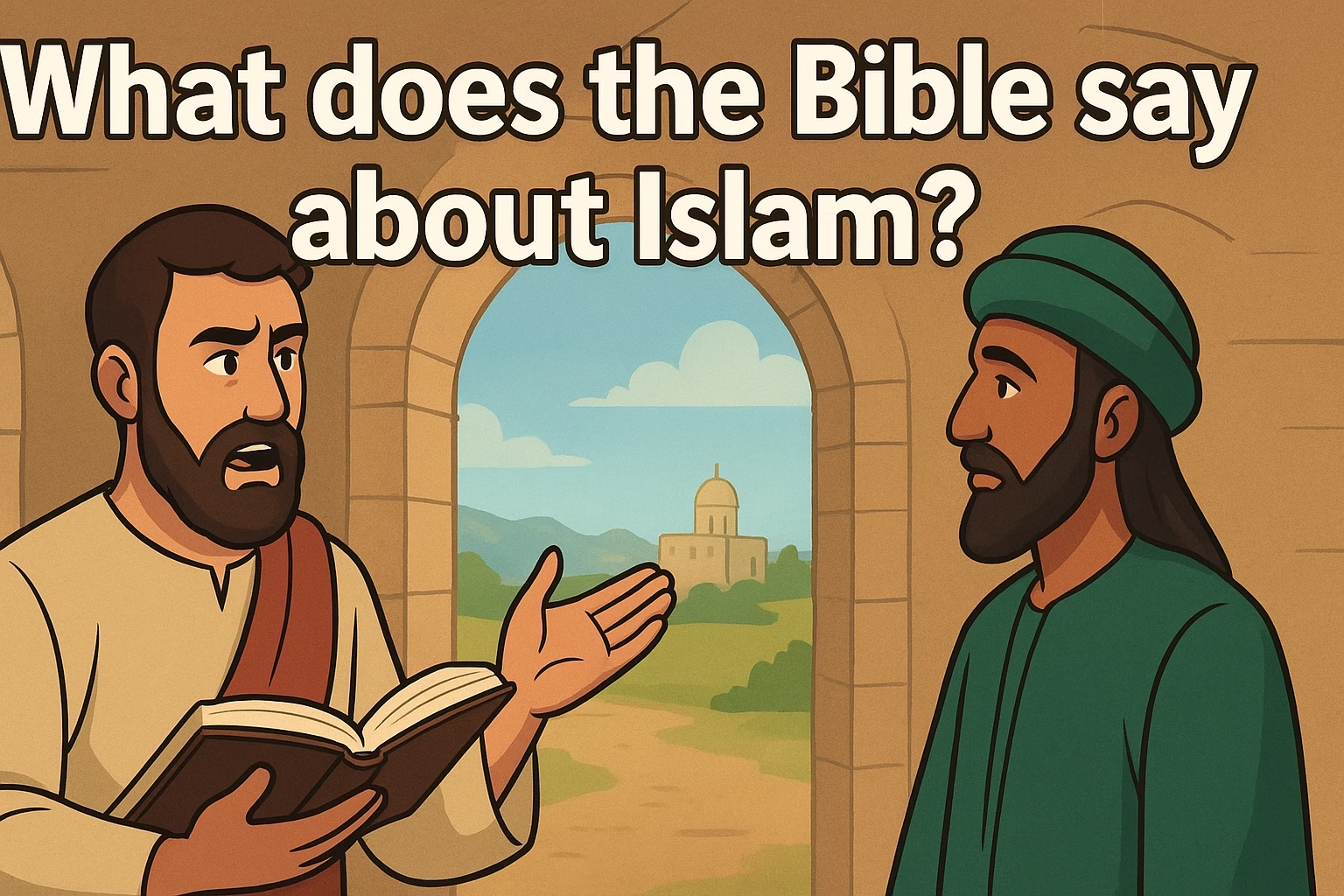
The relationship between the Bible and Islam is a complex topic that invites exploration of historical, theological, and cultural dimensions. Understanding what the Bible says about Islam requires careful consideration of both religious texts and the context in which they were written. This article aims to provide insights into the biblical perspective on Islam.
While the Bible does not mention Islam directly, as it emerged several centuries after the New Testament was completed, there are themes and passages that can be interpreted in relation to Islamic beliefs and practices. The Bible primarily focuses on the covenant relationship between God and His people, which is foundational to understanding the distinct differences between Christianity and Islam.
Understanding the Historical Context
To grasp the biblical perspective on Islam, it is essential to recognize the historical context in which both religions developed. Christianity arose in the first century AD, rooted in Jewish tradition, while Islam was established in the 7th century AD in the Arabian Peninsula. During this time, the teachings of Jesus and the early church were well known, and the Hebrew Scriptures were widely circulated.
Islam, founded by the prophet Muhammad, acknowledges many figures from the Bible, including Adam, Noah, Abraham, Moses, and Jesus. However, the Islamic interpretation of these figures often diverges significantly from the biblical accounts. For example, while both the Bible and the Quran recognize Jesus as a prophet, Islam denies his divinity and the concept of the Trinity, which are central to Christian belief.
Key Biblical Themes Relevant to Islam
Several key biblical themes can be explored when examining the relationship between Christianity and Islam:
The Nature of God
The Bible teaches about the nature of God as a Trinity—Father, Son, and Holy Spirit. In contrast, Islam emphasizes strict monotheism, known as Tawhid, which rejects any division of God’s nature. This fundamental difference shapes the core beliefs of each religion.
For instance, in the Bible, John 1:1 states, “In the beginning, the Word already existed. The Word was with God, and the Word was God.” This verse affirms the divinity of Jesus, which is a concept not accepted in Islam. Instead, Muslims regard Jesus as a revered prophet but not divine.
Revelation and Scripture
Both Christianity and Islam hold sacred texts as central to their faith. The Bible, comprising the Old and New Testaments, contains the inspired Word of God for Christians. Islam, on the other hand, regards the Quran as the final revelation from God, delivered to Muhammad.
The Bible speaks of the importance of discernment regarding teachings and revelations. In Galatians 1:8-9, the Apostle Paul warns against accepting any other gospel than the one originally preached, indicating that deviations from the true message of Christ can lead believers astray. This can be seen as a cautionary principle when considering the teachings of other religions, including Islam.
Salvation and Works
Christianity teaches that salvation is a gift from God through faith in Jesus Christ (Ephesians 2:8-9). In contrast, Islam emphasizes a system of works and adherence to the Five Pillars as essential for salvation. This fundamental difference highlights the divergent paths to understanding God and achieving eternal life.
The Bible underscores the sufficiency of Christ’s sacrifice for salvation, as expressed in John 14:6, where Jesus states, “I am the way, the truth, and the life. No one can come to the Father except through me.” This exclusivity of Christ stands in contrast to Islamic teachings, which advocate for following the Quran and the Sunnah (the teachings and practices of Muhammad).
Interfaith Dialogue and Respect
While the Bible does not address Islam directly, it encourages believers to engage with others in a spirit of love and respect. In Matthew 22:39, Jesus teaches, “You must love your neighbor as yourself.” This principle can guide Christians in their interactions with Muslims, fostering dialogue and understanding rather than conflict.
Many Christians advocate for interfaith dialogue, emphasizing common values such as compassion, charity, and the pursuit of justice. While theological differences remain significant, recognizing shared ethical principles can help build bridges between communities.
Prophets and Revelation
As mentioned earlier, both religions acknowledge several prophets. The Bible presents a narrative of prophets who revealed God’s will to His people. Muslims also regard many of these figures as prophets, but with differing interpretations of their roles and messages.
For instance, the Bible describes Abraham as the father of faith (Romans 4:16), while in Islam, he is considered a prophet and a key figure in establishing monotheism. However, the biblical account emphasizes the covenant with Abraham and his descendants through Isaac, while Islam traces its lineage through Ishmael, leading to differing theological implications.
Understanding these narratives can help Christians better appreciate the Islamic perspective and engage in meaningful discussions about faith and belief.
Understanding the Role of Jesus in Both Faiths
Jesus is a pivotal figure in both Christianity and Islam, yet the interpretations of His life and mission profoundly differ. In Christianity, Jesus is the Son of God, whose death and resurrection offer salvation to humanity. This belief is encapsulated in verses such as Romans 10:9, which states that confessing Jesus as Lord and believing in His resurrection is essential for salvation.
In contrast, Islam regards Jesus (known as Isa) as one of the greatest prophets but firmly denies His divinity and the concept of the crucifixion. The Quran asserts that Jesus was not crucified but was instead raised to heaven by God (Surah 4:157-158). This fundamental disagreement on Jesus’ identity and role is a significant theological divide between the two faiths.
Prophethood and Finality of Revelation
Christianity holds that Jesus is the final revelation of God, and through Him, believers receive the fullness of God’s message. This is reflected in passages like Hebrews 1:1-2, which states that God spoke through prophets in the past but has now revealed Himself through His Son.
In contrast, Muslims believe that Muhammad is the last and final prophet, known as the Seal of the Prophets. The Quran emphasizes that Muhammad’s teachings complete and supersede previous revelations. This belief is articulated in Surah 33:40, where it is stated that Muhammad is not the father of any man among you but the Messenger of Allah and the Seal of the Prophets. This claim of finality in revelation creates a significant divergence in understanding God’s communication with humanity.
Ethical Teachings and Common Ground
Despite theological differences, both the Bible and the Quran promote ethical principles that encourage followers to lead moral lives. The Bible teaches love, compassion, and justice, as seen in passages like Micah 6:8, which calls believers to act justly, love mercy, and walk humbly with God.
Similarly, the Quran emphasizes righteousness and justice, urging believers to be fair and charitable. Surah 5:8 calls for believers to be steadfast in justice, even if it is against themselves or their kin. These shared ethical teachings can serve as a foundation for interfaith dialogue and cooperation in addressing social issues.
Understanding Salvation and the Afterlife
The concept of salvation and the afterlife is another area of divergence. Christianity teaches that faith in Jesus Christ assures eternal life and a personal relationship with God. As expressed in John 3:16, God’s love for the world is shown through the gift of His Son, offering salvation to all who believe.
Islam presents a more complex view of salvation, emphasizing both faith and works. Adhering to the Five Pillars of Islam, which include the declaration of faith, prayer, almsgiving, fasting, and pilgrimage, is crucial for a Muslim’s spiritual journey. Surah 2:25 promises paradise to those who believe and do righteous deeds, illustrating the importance of both faith and works in achieving salvation.
Confronting Misconceptions and Building Bridges
Misunderstandings between Christians and Muslims often arise from cultural and historical contexts rather than theological tenets. Many Christians may view Islam through the lens of extremist actions or political conflicts, which can skew perceptions of the faith as a whole. Conversely, Muslims may encounter stereotypes about Christianity that do not accurately represent the beliefs and practices of all Christians.
Addressing these misconceptions requires open dialogue and education. Engaging with representatives from both faiths can foster mutual respect and understanding. Christians are encouraged to approach conversations with Muslims with curiosity and a willingness to learn, rather than judgment or preconceived notions.
Questions for Further Reflection
To deepen understanding of the relationship between Christianity and Islam, consider the following questions:
- How do the differing views of Jesus impact the relationship between Christians and Muslims?
- What are the implications of the finality of Muhammad’s prophethood for Christian-Muslim dialogue?
- In what ways can shared ethical teachings be leveraged to promote cooperation between communities?
- How can Christians and Muslims work together to address common social issues while respecting theological differences?
Conclusion: Finding Common Ground in Faith
In summary, while the Bible does not directly address Islam, it provides foundational themes that help Christians understand the differences and similarities between the two faiths. The nature of God, the role of Jesus, the importance of revelation, and ethical teachings all play significant roles in shaping the beliefs of both religions. Engaging in respectful dialogue and seeking common ground can lead to greater understanding and cooperation between Christians and Muslims, fostering a spirit of love and respect in a diverse world.
For further exploration of interfaith dialogue and the ethical teachings of both faiths, you can read more about it in this article on interfaith understanding and discover shared values in a piece about ethical principles.