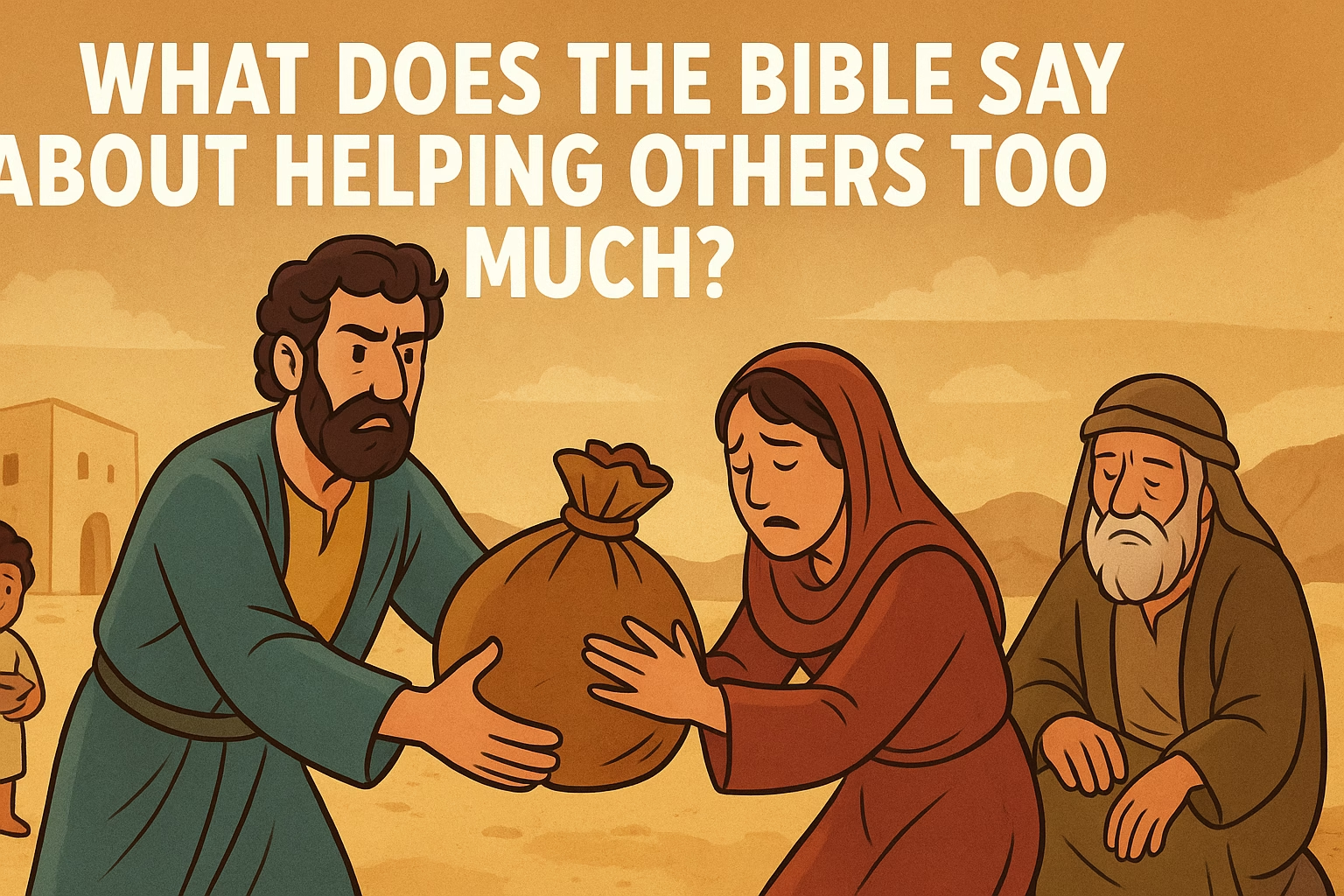
Helping others is a fundamental principle in Christianity, deeply rooted in the teachings of Jesus and the scriptures. However, the question arises: is it possible to help others too much? This article explores what the Bible says about the balance between helping others and maintaining one’s own well-being and responsibilities.
The Bible encourages us to care for those in need, but it also offers wisdom on the limits of our help. It teaches that while acts of kindness are essential, they should not come at the expense of our own health, spiritual growth, or responsibilities. Let’s delve into various scriptures and biblical principles to understand this balance better.
The Call to Help Others
Helping others is a clear call in the Bible. Jesus emphasized love and service throughout His ministry. In Matthew 25:35-40, He identifies Himself with those in need, saying that when we help the hungry, thirsty, or sick, we are ultimately serving Him. This passage highlights the importance of compassion and action in our faith.
Moreover, Galatians 6:2 instructs believers to “bear one another’s burdens.” This verse underscores the communal aspect of faith, encouraging Christians to support each other in times of trouble. However, it is crucial to recognize that this support should be balanced with self-care and wisdom.
The Importance of Boundaries
While the Bible encourages helping others, it does not advocate for neglecting oneself. In 1 Timothy 5:8, Paul writes, “But those who won’t care for their relatives, especially those in their own household, have denied the true faith; such people are worse
Understanding the Balance
Finding a balance between helping others and taking care of oneself is a recurring theme in Scripture. It is essential to recognize that God calls us to be stewards of our time, resources, and energy. This means that while we are encouraged to help others, we must also ensure that we do not overextend ourselves to the detriment of our health or responsibilities.
Proverbs 4:23 advises, “Guard your heart above all else, for it determines the course of your life.” This verse emphasizes the importance of maintaining emotional and spiritual health. If we pour ourselves into helping others without regard for our own needs, we risk burnout and resentment, which can ultimately hinder our ability to serve effectively.
Jesus’ Example of Rest
Even Jesus, who dedicated His life to serving others, recognized the need for rest and solitude. In Mark 6:31, He tells His disciples, “Come away by yourselves to a desolate place and rest a while.” This passage illustrates that taking time to recharge is not only acceptable but necessary. It serves as a reminder that even the most dedicated servants of God need to step back and care for themselves in order to continue serving others effectively.
The Danger of Enabling
Another aspect of helping others too much is the potential for enabling negative behaviors. In 2 Thessalonians 3:10, Paul states, “For even when we were with you, we gave you this command: Anyone unwilling to work shall not eat.” This verse highlights the importance of encouraging self-sufficiency rather than fostering dependency. While it is commendable to help those in need, it is equally vital to empower them to take responsibility for their lives. When help becomes enabling, it can lead to a cycle of dependency that does not honor either party.
Self-Care as a Biblical Principle
Self-care is not just a modern concept; it is deeply rooted in biblical principles. In 1 Corinthians 6:19-20, Paul reminds us that our bodies are temples of the Holy Spirit and should be treated with respect. Taking care of ourselves physically, emotionally, and spiritually is a form of honoring God. When we neglect our own needs, we cannot serve others to the best of our ability.
Furthermore, in Psalm 23, God is depicted as a shepherd who leads us to green pastures and still waters, providing rest and restoration. This imagery reinforces the idea that God desires for us to find peace and renewal in Him, which then equips us to help others more effectively.
Practical Steps to Balance Helping Others
To maintain a healthy balance between helping others and caring for oneself, consider these practical steps:
- Set Boundaries: Clearly define what you can and cannot do for others. It is okay to say no when your limits are reached.
- Prioritize Self-Care: Schedule regular time for rest, prayer, and activities that rejuvenate you.
- Encourage Independence: Focus on empowering others rather than doing everything for them. Help them find solutions instead of providing all the answers.
- Seek Guidance: Pray for wisdom in your decisions about helping others. Ask God to show you where your help is needed most.
- Evaluate Your Impact: Reflect on whether your assistance is truly beneficial or if it is enabling negative patterns. Adjust your approach as necessary.
Conclusion
The Bible encourages us to help others, but it also provides important guidance on the necessity of self-care and maintaining boundaries. We must recognize that helping too much can lead to burnout, enable dependency, and hinder our ability to serve effectively. By seeking a balance, we honor God and those we help, ensuring that our actions lead to true support and empowerment.
In navigating the complexities of helping others, remember to prioritize your own health and well-being as part of your service to God and your community. This balance will not only enrich your life but also enhance the impact of your assistance to those in need.
For further exploration of biblical principles about love and self-care, check out these articles: Bible Verses on Loving Others and Bible Verses About Self-Care.