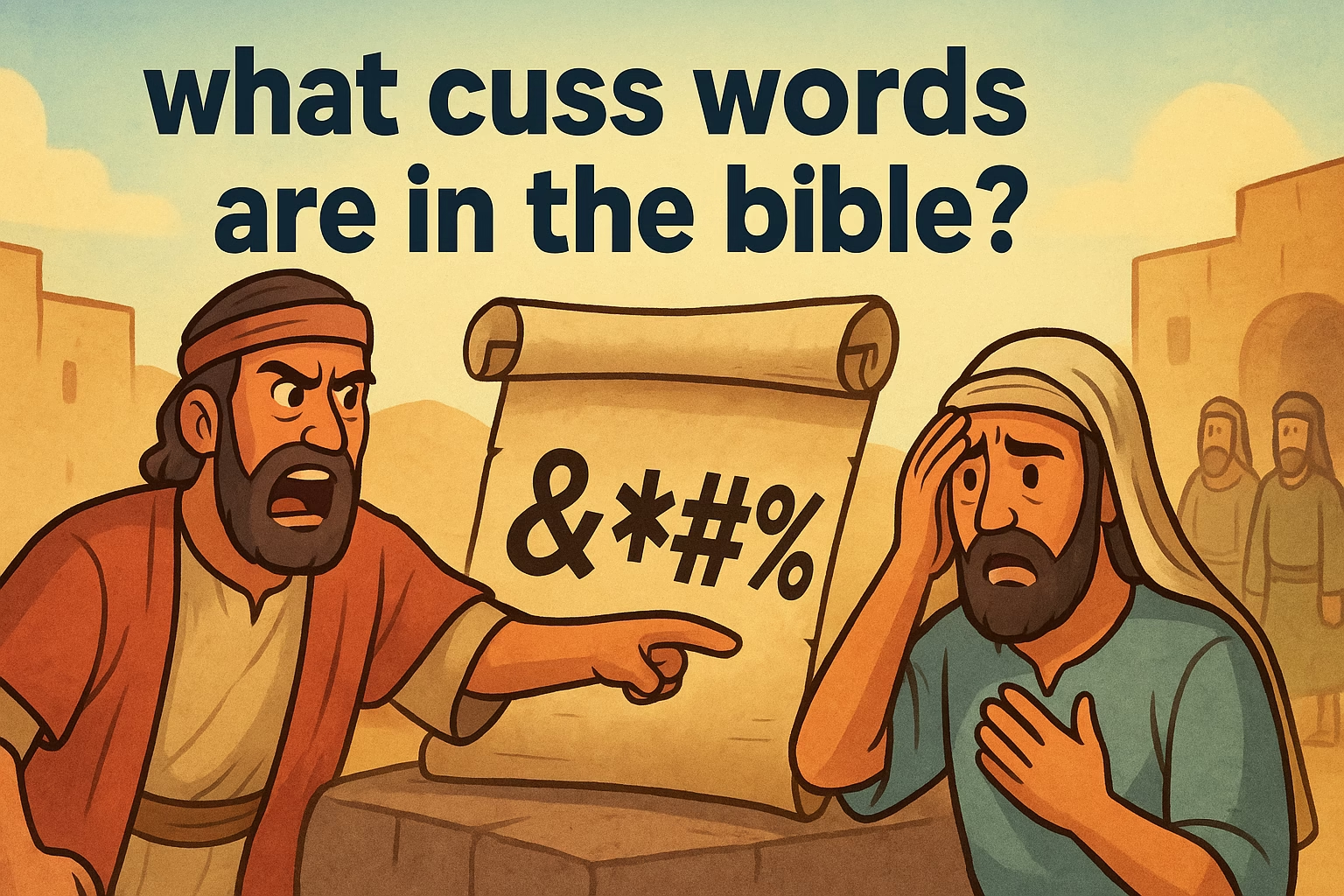
Many people wonder about the language used in the Bible, especially when it comes to what we might consider “cuss words” or profanity today. The Bible is a rich text that reflects the culture, language, and circumstances of the times in which it was written. In understanding what constitutes cuss words in the Bible, we need to examine the context, the original languages, and the intent behind certain expressions.
While the Bible does not explicitly list modern cuss words, certain passages contain language that could be considered offensive or disrespectful today. These words often reflect the seriousness of sin, human emotions, or societal issues. Let’s explore some of these instances in Scripture.
Understanding Language in the Bible
To grasp the concept of cursing in the Bible, we must first recognize that language evolves over time. What may have been considered strong language or even a curse in ancient times may not hold the same weight today. The Bible was originally written in Hebrew, Aramaic, and Greek, languages that each have their own nuances and meanings.
For example, the Hebrew word “qalal” (קלל) can mean “to curse” or “to treat with contempt.” This word appears in various forms throughout the Old Testament. In many instances, it refers to cursing God or others in a context of disrespect or anger. In this sense, it is more about the attitude behind the words than the specific words themselves.
Examples of Strong Language
While the Bible does not contain many words that we would classify as cuss words today, there are several passages that reflect strong language or sentiments. Here are a few examples:
1. The Use of “Fool” and “Idiot”
In Matthew 5:22, Jesus warns against calling someone a “fool” or “idiot.” He states, “But I say, if you are even angry with someone, you are subject to judgment! If you call someone an idiot, you are in danger of being brought before the court.” Here, the term “fool” carries a weight of moral judgment and insult. While it may not be a cuss word in the modern sense, it reflects an attitude of contempt that Jesus condemns.
2. The “S” Word: A Close Examination
In the context of the Bible, there are instances where strong language is used to express anger or frustration. For example, in Philippians 3:8, Paul refers to his former achievements as “garbage” or “rubbish,” depending on the translation. The Greek word used here, “skubalon,” is often interpreted as a vulgar term that implies waste or filth. While not a direct cuss word, it conveys strong disdain for worldly accomplishments in comparison to knowing Christ.
3. The Language of Lament
In the book of Psalms, we find many instances of raw and honest emotion. The psalmists often express their feelings of despair, anger, and frustration in ways that might be considered harsh. For example, Psalm 137:9 includes a shocking expression of vengeance: “Blessed is the one who takes your babies and smashes them against the rocks!” This verse reflects deep pain and anger but does not serve as an endorsement of violent language. Instead, it highlights the intense emotions experienced during times of oppression.
Context Matters
Understanding the context of biblical language is crucial. Many expressions found in Scripture serve to illustrate the gravity of situations or the depth of human emotion. When interpreting these passages, it is essential to consider the historical and cultural background. Language that may seem inappropriate or shocking today may have been a part of normal discourse in biblical times.
Moreover, the intent behind the words plays a significant role. The Bible often addresses the heart and motives behind speech rather than simply the words themselves. In James 3:9-10, it states, “Sometimes it praises our Lord and Father, and sometimes it curses those who have been made in the image of God. And so blessing and cursing come pouring
The Role of Cultural Context
When considering what constitutes cursing in the Bible, we should examine the cultural context of the time. Ancient societies had different norms surrounding language and behavior. What may have been deemed offensive in one culture might not hold the same weight in another. For example, in Hebrew culture, invoking God’s name or using it in a flippant manner was seen as a serious offense, as indicated in the Third Commandment (Exodus 20:7), which warns against taking the Lord’s name in vain.
This commandment highlights the importance of reverence in speech, suggesting that the act of cursing is less about specific words and more about the intention behind them. The seriousness of using divine names casually or disrespectfully is a theme that resonates throughout the Old Testament.
Exploring Uncommon Expressions
There are various expressions in the Bible that, while not modern cuss words, convey strong sentiments or emotions. Here are a few noteworthy examples:
1. “Woe to You”
In the Gospels, Jesus often uses the phrase “woe to you” as a form of condemnation. For instance, in Matthew 23, He pronounces woes on the Pharisees and scribes for their hypocrisy. This phrase serves as a strong rebuke and carries a weight of judgment that could be considered harsh by today’s standards.
2. The Concept of Damnation
The concept of damnation is present in the Bible, particularly in the teachings of Jesus. While the actual word “damn” may not appear explicitly, the idea of being condemned is prevalent. For instance, in John 3:18, it states that those who do not believe in Jesus are already condemned. The weight of such language reflects the seriousness of rejecting faith and can evoke feelings of fear and urgency.
Lessons on Language and Speech
The Bible offers numerous teachings on the power of words. In Proverbs 18:21, it states, “The tongue can bring death or life; those who love to talk will reap the consequences.” This verse underscores the importance of being mindful of our speech and the potential impact it can have on others. While the Bible may not provide a definitive list of cuss words, it encourages believers to consider the weight of their words and the attitude behind them.
1. The Heart Behind Speech
In Matthew 12:34, Jesus says, “For whatever is in your heart determines what you say.” This highlights that the root of offensive language often lies in the heart. Thus, the focus for Christians should be on cultivating a heart that honors God, which in turn will reflect in our speech. When we strive for kindness, love, and respect, our words will naturally align with those values.
2. Accountability and Community
The New Testament emphasizes the importance of community and accountability among believers. In Ephesians 4:29, it instructs, “Do not let any unwholesome talk come out of your mouths, but only what is helpful for building others up according to their needs.” This call to action encourages Christians to be conscious of their language, promoting a community that uplifts rather than tears down.
Questions for Reflection
As we engage with the topic of language in the Bible, it may be helpful to consider some reflection questions:
- How does the cultural context of biblical language influence our understanding of cursing today?
- What role does intention play in the words we choose to use?
- How can we apply biblical teachings on speech to our daily conversations and interactions?
- In what ways can we cultivate a heart that speaks life and positivity into others?
Conclusion
While the Bible does not explicitly list cuss words as we understand them today, it certainly addresses the heart behind our words and the importance of our speech. By examining the cultural context, exploring examples of strong language, and reflecting on the teachings about speech, we gain a deeper understanding of how to approach language in a way that honors God. Ultimately, the goal is to reflect Christ in our words and actions, fostering a spirit of love and respect in all our interactions.
For more insights into biblical teachings and language, check out these articles: understanding biblical language and the power of words in scripture.