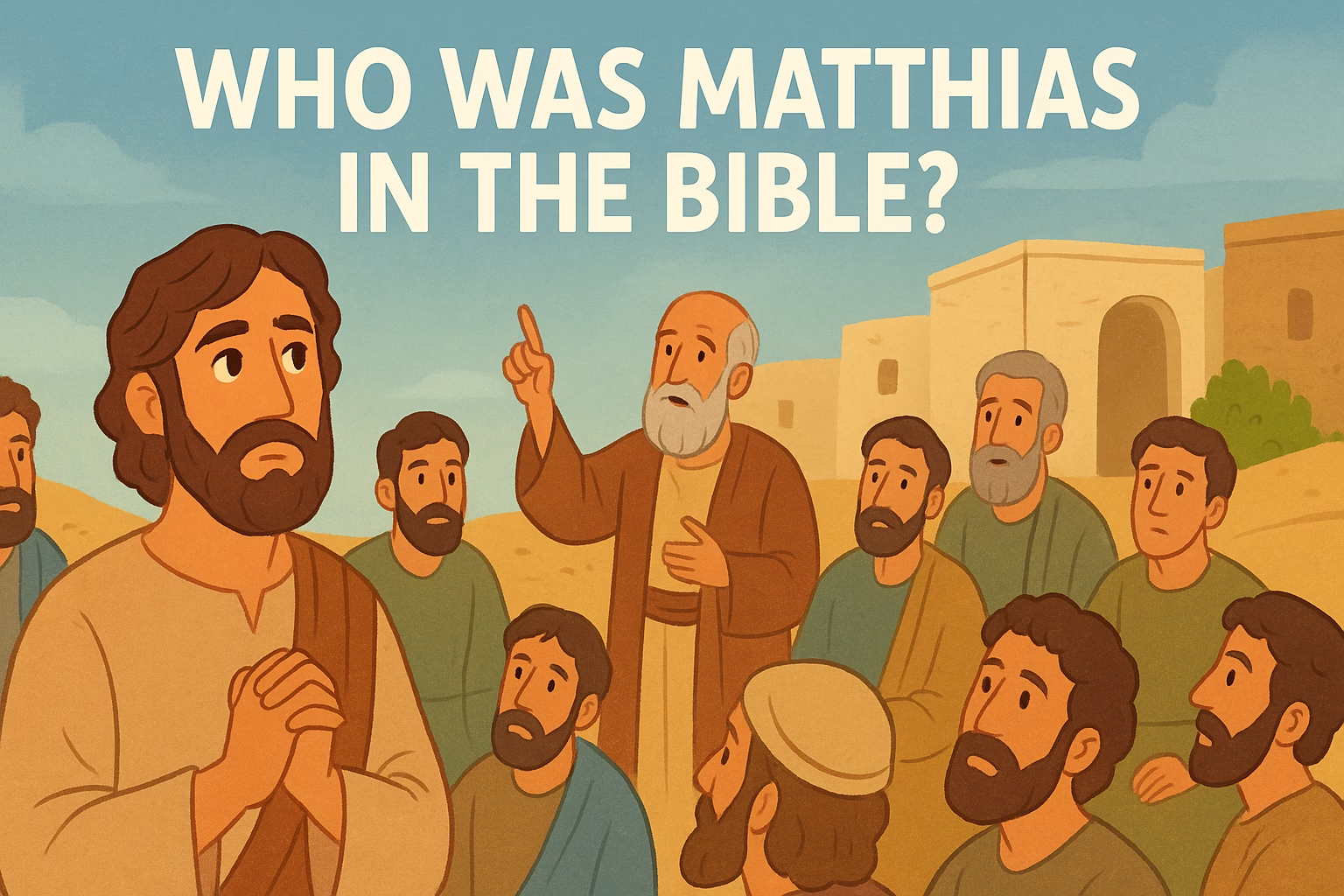
Matthias is a lesser-known figure in the New Testament, yet he holds a significant role in the early Christian community. His story is intricately tied to the events that unfolded following the betrayal of Judas Iscariot, one of Jesus’ twelve disciples. In this article, we will explore who Matthias was, his selection as an apostle, and his place in biblical history.
Matthias is best known as the apostle chosen to replace Judas Iscariot after Judas betrayed Jesus and subsequently died. His election is recorded in the Book of Acts, specifically Acts 1:15-26. Matthias was one of the followers of Jesus who had been with the group from the time of Jesus’ baptism by John until his ascension. This connection to the ministry of Jesus was a key criterion for his selection.
The Context of Matthias’ Selection
The selection of Matthias occurs in a critical moment for the early Church. After Jesus’ ascension, the remaining eleven apostles gathered to address the loss of Judas Iscariot. They understood the importance of maintaining their number at twelve, symbolizing the twelve tribes of Israel and the completeness of their mission.
The Need for a Replacement
Judas Iscariot’s betrayal was a devastating event. According to Matthew 27:3-5, Judas felt remorse after realizing the gravity of his actions, which led him to return the thirty pieces of silver and ultimately take his own life. This left a void in the apostolic group, prompting the remaining disciples to seek a replacement.
The Criteria for Selection
In Acts 1:21-22, Peter outlines the criteria for the new apostle: he must have been a part of Jesus’ ministry from the beginning, specifically from the time of John the Baptist until Jesus’ ascension. This requirement ensured that the new apostle could bear witness to the resurrection of Jesus, a cornerstone of the Christian faith.
The Process of Choosing Matthias
The apostles proposed two candidates who met the criteria: Joseph called Barsabbas (also known as Justus) and Matthias. Both men had been followers of Jesus, and their selection represents the early Church’s commitment to integrity and community decision-making.
Seeking Divine Guidance
To make the final decision, the apostles prayed for God’s guidance. Acts 1:24-26 describes their prayerful approach: they asked the Lord to show them which of the two should take over the apostolic ministry left vacant by Judas. This demonstrates an important principle in Christian leadership – the reliance on prayer and divine direction in decision-making.
The Casting of Lots
After praying, the apostles cast lots, a method used in ancient times to discern God’s will. The lot fell on Matthias, and he was added to the eleven apostles (Acts 1:26). This method may seem unusual today, but it reflects the belief that God could guide decisions even through seemingly random means.
Once chosen, Matthias became part of the foundational leadership of the early Church. However, the New Testament does not provide extensive details about his ministry or life after his selection. This has led to various traditions and speculations about his activities.
While the Bible is silent on Matthias’ later life, several traditions have emerged. Some early Christian writings suggest that Matthias preached in regions such as Judea and even further afield, possibly reaching areas like Cappadocia or Ethiopia. However, these accounts are not found in the canonical Scriptures and should be viewed with caution.
Matthias is recognized as a martyr in some traditions, suggesting that he may have faced persecution for his faith. The Feast of Saint Matthias is celebrated on February 24 in the Western Christian calendar, honoring his commitment and service as an apostle. His story serves as a reminder of the importance of faithfulness and obedience to God’s calling.
The story of Matthias highlights several important theological themes. First, it underscores the significance of community and leadership within the Church. The apostles sought God’s guidance collectively, setting an example for future church governance.
Matthias’ selection also emphasizes the continuity of the apostolic witness. By replacing Judas, the apostles maintained the integrity of their mission to spread the Gospel. This act reflects the belief in the importance of maintaining the original teachings and authority given by Jesus to the apostles.
Lastly, Matthias’ story illustrates the role of prayer in decision-making. The apostles did not take the selection lightly but sought God’s will earnestly. This principle can be applied to various aspects of Christian life, encouraging believers to seek divine guidance in their own decisions.
Matthias in Early Christian History
Matthias, though not prominently featured in the New Testament, represents a crucial link in the early Christian narrative. His election as an apostle is not just a historical footnote; it reflects the early Church’s efforts to maintain its structure and purpose. The apostles were tasked with a monumental mission to spread the teachings of Jesus, and having a complete number of twelve was seen as vital to fulfilling that mission.
Matthias’ Apostolic Authority
With Matthias’ inclusion among the apostles, he was granted the authority that came with that position. Apostles were not just followers; they were leaders tasked with teaching and guiding the early Church. They were witnesses to the resurrection and were responsible for laying the theological foundations of Christianity. Matthias’ presence among them signified the Church’s commitment to continuity and the preservation of the apostolic witness.
The Role of Apostles in the Early Church
The apostles played a multifaceted role in the early Church. They preached, performed miracles, and established communities of believers. Matthias, alongside the other apostles, would have been involved in these activities. While specific accounts of his actions are lacking, it is reasonable to infer that he contributed to the Church’s growth and the dissemination of the Gospel message.
Understanding Apostolic Succession
The selection of Matthias raises important questions about apostolic succession. This concept refers to the idea that the authority of the apostles continues through their successors. Matthias’ role as an apostle set a precedent for future church leadership, emphasizing the importance of community discernment and divine guidance in leadership transitions.
Implications for Church Governance
The process of Matthias’ selection—through prayer and the casting of lots—serves as a model for church governance. It highlights the importance of collective decision-making and the need for leaders who are not only qualified but also spiritually grounded. This approach can inform contemporary practices in church leadership, encouraging congregations to seek God’s will in their decisions.
Reflection on Community and Leadership
Matthias’ story invites believers to reflect on the nature of leadership within the Church. His selection was not merely about filling a vacancy; it represented a commitment to community, accountability, and divine guidance. How do modern churches approach leadership? Are they seeking God’s direction in their decisions? These questions resonate deeply within the context of Matthias’ election.
The Legacy of Matthias Beyond the Scriptures
Beyond the biblical narrative, Matthias has inspired various traditions and practices within the Christian faith. The Feast of Saint Matthias serves as an opportunity for believers to reflect on his life and contributions. Celebrated on February 24, this feast day often includes prayers for guidance in leadership and community. It serves as a reminder of the call to faithful service and the importance of following God’s leading.
Matthias in Christian Art and Literature
In Christian art and literature, Matthias is sometimes depicted alongside the other apostles, emphasizing his role in the early Church. These representations often focus on themes of faithfulness, perseverance, and the importance of community in the Christian journey. Such depictions serve to inspire and encourage believers in their own walks of faith.
Lessons from Matthias’ Life
The life of Matthias, though less documented, offers valuable lessons for contemporary Christians. His story encourages believers to be open to God’s calling in their lives, to seek His guidance in decision-making, and to recognize the significance of community in their faith journeys. Matthias exemplifies the idea that every follower of Christ, regardless of their visibility, plays a vital role in the body of Christ.
Contemplating Matthias’ Impact
As we reflect on Matthias, we can consider the impact he had on the early Church and the lessons his story holds for us today. His selection shows that God can use anyone who is faithful and willing to serve. It also reminds us of the importance of community and prayer in our lives, especially when making significant decisions.
What Can We Learn from Matthias?
Matthias’ example encourages believers to ask themselves: How can I be more involved in my church community? Am I seeking God’s guidance in my decisions? And how can I support the leadership in my church? These questions can help foster a deeper sense of involvement and commitment within the body of Christ.
Conclusion: Matthias as a Model of Faithfulness
In conclusion, Matthias may not be a household name in biblical narratives, but his story is a powerful reminder of faithfulness, community, and divine guidance. His election as an apostle underscores the importance of maintaining the integrity and continuity of the Christian mission. As we strive to follow Christ, let us remember Matthias’ example and be encouraged to seek God’s will in our lives and communities.