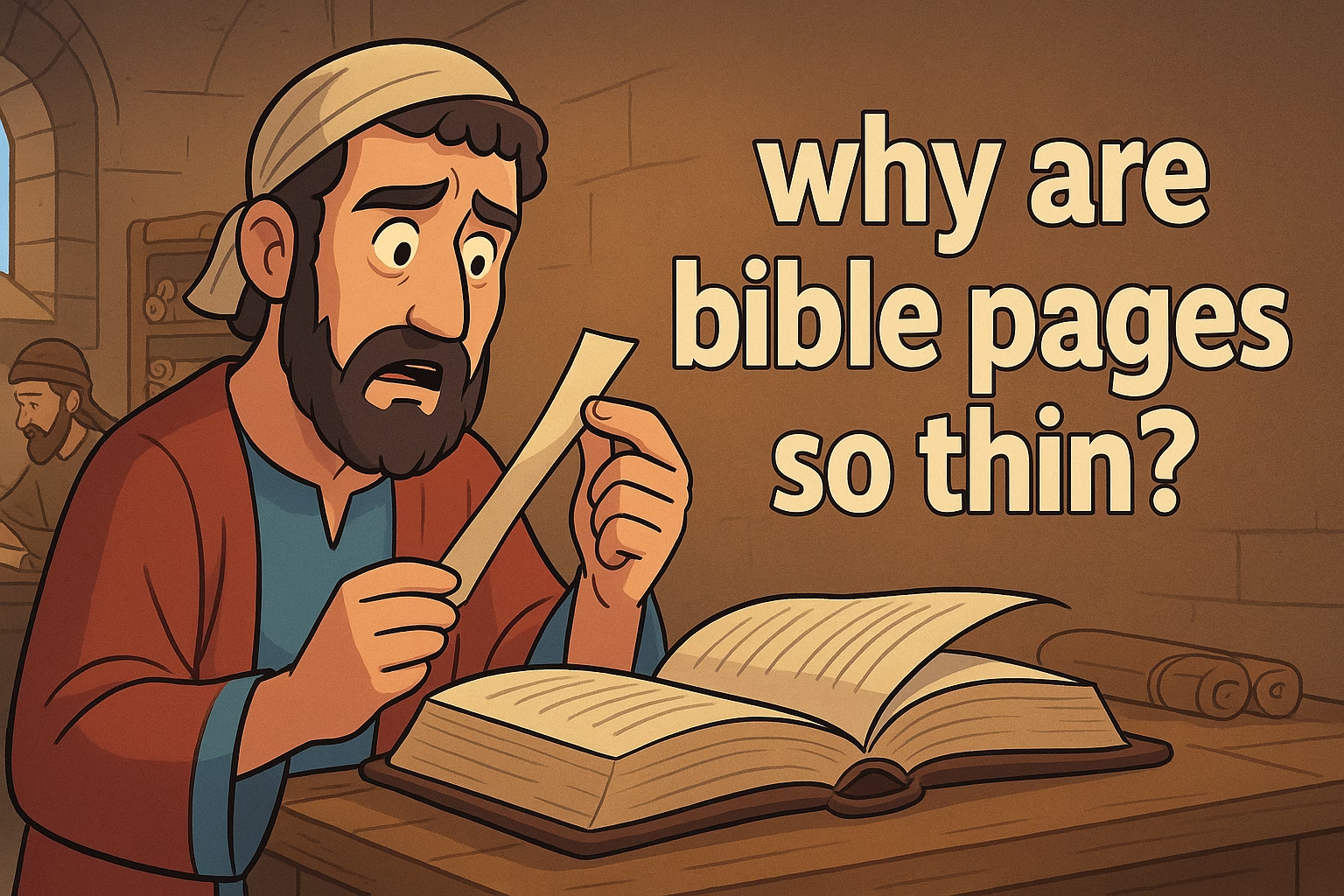
The Bible is a cherished book for millions of Christians around the world, containing sacred texts that guide faith and practice. However, one interesting aspect that many readers notice is the thinness of the pages. This characteristic often leads to curiosity and questions about why these pages are designed this way. In this article, we will explore the reasons behind the thin pages of the Bible, considering both practical and historical contexts.
The primary reason Bible pages are so thin is practicality. The Bible is a comprehensive collection of texts, including the Old and New Testaments, which together encompass numerous books, letters, and writings. If the pages were thicker, the overall size and weight of the Bible would increase significantly. Most manufacturers use a lightweight paper known as Bible paper, which is specifically designed to be thin yet durable, allowing for a more manageable and portable edition.
The History of Bible Production
The tradition of using thin pages can be traced back to the early days of bookmaking. In ancient times, scrolls made from papyrus or animal skins were the standard format for religious texts. These materials were relatively thin, which made it easier to write and transport them. As technology evolved and the printing press was invented, the Bible was among the first books to be printed en masse. Early printed Bibles maintained the thin page tradition, largely for the sake of convenience and cost-effectiveness.
Material Choices: Bible Paper
Modern Bible pages are typically made from a special type of paper known as Bible paper. This paper is not only thin but also lightweight and strong. The manufacturing process involves using high-quality pulp that is treated to create a smooth finish, making it easier to print on while maintaining clarity. Because of its thinness, Bible paper allows for more text to be included in a single volume, which is particularly important given the length of the entire biblical text.
Durability and Longevity
Despite its thinness, Bible paper is designed to be durable. High-quality Bible paper is often acid-free, which means it is less likely to yellow or deteriorate over time. This is particularly crucial for a book that is meant to be cherished and passed down through generations. The thinness of the pages does not compromise their durability, as modern binding techniques and materials further enhance the Bible’s lifespan.
Practical Benefits of Thin Pages
There are several practical benefits to having thin pages in a Bible:
- Portability: A thinner Bible is lighter and easier to carry, which is essential for those who wish to take their Bible to church, study groups, or travel.
- Space Efficiency: Thin pages allow for a more compact book, enabling more text to fit within a single volume. This is particularly important for a book as extensive as the Bible.
- Readability: The layout of thin pages can allow for larger fonts and clearer print, making the text more accessible to readers.
Theological Considerations
While the physical characteristics of the Bible are important, it is also essential to consider the theological implications of how the Bible is presented. The thin pages symbolize the accessibility of God’s Word. Just as the Bible is made available to all people, its physical form reflects the intent that it be easy to carry, share, and read. The message contained within is of utmost importance, and the design serves to facilitate that engagement.
The Importance of the Written Word
The Bible emphasizes the significance of the written Word of God. In 2 Timothy 3:16-17, it states, “All Scripture is inspired by God and is useful to teach us what is true and to make us realize what is wrong in our lives.” The thin pages serve to carry this inspired text, allowing readers to engage with it personally and communally. The physicality of the Bible, with its thin pages, aids in the practice of reading, studying, and meditating on God’s Word.
Furthermore, the Bible’s thin pages allow for the inclusion of various translations and commentaries within a single volume. This can enhance the reader’s understanding and provide insights into the text, fostering a deeper relationship with Scripture.
Comparative Analysis with Other Books
When we consider the thin pages of the Bible, it is helpful to compare them with other types of books. Most novels or textbooks use thicker paper, which can make them more durable but also bulkier. The choice of thin pages for the Bible reflects its unique purpose as a sacred text that is meant to be portable and widely accessible. While other books may prioritize durability and heft, the Bible’s design emphasizes the need for believers to carry their faith with them wherever they go.
This portability is particularly relevant in contemporary Christian communities. Many people attend services or study groups, and having a Bible that is lightweight and easy to handle encourages participation. The thin pages contribute to a format that is user-friendly, allowing readers to navigate between passages quickly, which is essential during discussions or sermons.
Environmental Considerations
In today’s world, environmental awareness is an important factor in many production processes, including book manufacturing. The use of thin Bible paper can also be seen as an environmentally conscious choice. Thinner pages require less material, which can reduce the overall environmental impact of production. Additionally, many publishers are now opting for sustainable sourcing of paper, ensuring that the materials used in Bibles are environmentally friendly.
This aspect of Bible production aligns with the Christian call to stewardship of the earth. By choosing materials that are both functional and sustainable, publishers reflect a commitment to caring for creation, which resonates with the biblical mandate to be responsible caretakers of the environment.
Reader Experience and Engagement
The thin pages of the Bible not only serve practical purposes but also enhance the reader’s experience. For many believers, the act of reading the Bible is a deeply personal and spiritual practice. The tactile nature of thin pages allows for a unique sensory experience that thick pages cannot replicate. The turning of pages can evoke a sense of connection to the text, making it feel more alive and engaging.
Furthermore, the lightweight nature of the Bible encourages readers to take it along in various settings—whether at home, in a coffee shop, or during travel. This accessibility fosters a habit of reading and reflection, allowing individuals to engage with Scripture more frequently throughout their day-to-day lives.
Preservation of Tradition
The tradition of using thin pages in Bibles has been passed down through generations, creating a sense of continuity among believers. Many Christians appreciate the historical significance of the Bible and its physical form. When they hold a Bible with thin pages, they are participating in a long-standing tradition that dates back to the early days of Christianity.
This connection to history can deepen the reader’s appreciation for the text itself. It serves as a reminder that they are part of a larger community of faith that has valued and preserved these scriptures for centuries. The thin pages can symbolize the fragility yet resilience of the faith, mirroring the journey of believers throughout history.
Questions for Further Reflection
As readers consider the significance of thin pages in the Bible, they may find it helpful to reflect on several questions:
- How does the physical design of the Bible influence your personal reading experience?
- In what ways can the accessibility of the Bible’s format encourage deeper engagement with Scripture?
- How can the tradition of thin pages inspire modern Christians to appreciate the history of their faith?
- What role does environmental stewardship play in your choices regarding printed materials, including Bibles?
Conclusion: The Meaning Behind the Thinness
The thin pages of the Bible are much more than a design choice; they represent a convergence of practicality, tradition, and theology. They provide a means for believers to carry the Word of God into their daily lives, making it accessible and inviting. The lightweight nature of the pages encourages engagement, reflection, and participation in the Christian community.
As Christians navigate their faith journeys, the thin pages serve as a reminder of the importance of Scripture in their lives. They symbolize the accessibility of God’s message and the call to share it with others. Ultimately, the thinness of the Bible reflects a deeper truth: that God’s Word is meant to be carried, shared, and cherished by all.
For more information on the significance of the Bible and its impact on Christian communities, you can read about the importance of scripture study and the history of Bible translations.