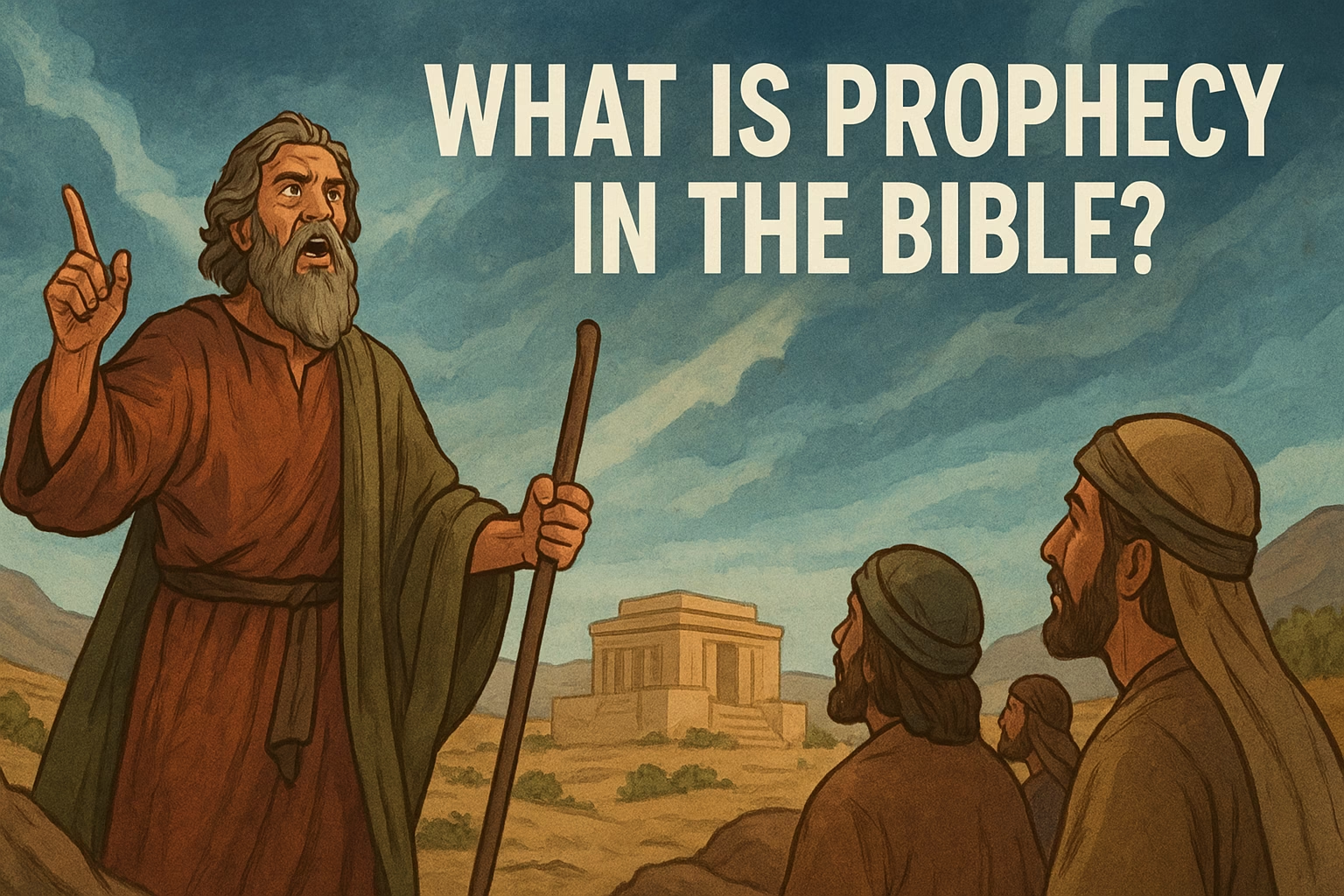
Prophecy is a significant and often misunderstood aspect of the Bible. It encompasses messages from God delivered through chosen individuals, often called prophets. These messages can include predictions about the future, guidance for present situations, and warnings about potential consequences of actions. Understanding prophecy in the biblical context is essential for grasping the overall narrative of Scripture and the nature of God’s communication with humanity.
At its core, biblical prophecy serves as a means for God to reveal His will and purposes to His people. It is not merely about foretelling the future but also about calling individuals and communities to repentance, faithfulness, and obedience to God. The prophetic messages found throughout the Bible illustrate God’s desire for a relationship with His creation, encouraging believers to seek Him and align their lives with His divine plan.
The Definition of Prophecy
In the Bible, prophecy is defined as a divinely inspired message communicated through a prophet. The Hebrew word for prophet, “nabi,” means “to call” or “to summon,” indicating that prophets are called by God to deliver His messages. Similarly, the Greek word “prophetes” means “one who speaks on behalf of another,” emphasizing the role of the prophet as a spokesperson for God.
Prophecy can take various forms, including:
- Foretelling future events
- Declaring God’s judgment
- Offering comfort and hope
- Calling for repentance
- Providing guidance for ethical and moral living
The Role of Prophets in the Bible
Throughout the Bible, prophets played a vital role in guiding the people of Israel. They were often chosen from among the common people and were tasked with delivering God’s messages, which could include warnings, encouragement, or calls to repentance. Some of the most well-known prophets include:
- Moses: Considered the greatest prophet in Judaism, Moses delivered God’s law and led the Israelites out of Egypt.
- Isaiah: Known for his messages of hope and the coming Messiah, Isaiah prophesied during a time of great turmoil in Israel.
- Jeremiah: Often referred to as the “weeping prophet,” Jeremiah delivered messages of judgment and lamented the people’s unfaithfulness.
- Ezekiel: Known for his vivid visions and symbolic actions, Ezekiel called the Israelites to repentance during their exile.
These prophets were instrumental in shaping the faith and identity of the Israelite people, reminding them of God’s covenant and calling them to live in accordance with His will.
Prophecy in the Bible can be categorized into different types, each serving a unique purpose:
1. Predictive Prophecy
Predictive prophecy involves foretelling future events. Many prophetic books in the Old Testament, such as Isaiah and Daniel, contain messages about future nations, the coming of the Messiah, and the end times. For example, Isaiah 7:14 foretells the virgin birth of Jesus, while Daniel 9:24-27 speaks about the coming of an anointed one who will bring an end to sin.
2. Conditional Prophecy
Some prophecies are conditional, meaning that their fulfillment depends on the response of the people. For instance, Jonah’s message to Nineveh warned of impending destruction, yet the city repented, and God relented from bringing judgment (Jonah 3:10). This illustrates that God’s desire is for repentance and restoration rather than punishment.
3. Prophetic Poetry and Symbolism
Many prophetic messages are delivered in poetic or symbolic language. This can make them challenging to interpret but also rich in meaning. For example, the Book of Revelation uses vivid imagery and symbols to convey its messages about the end times and the ultimate victory of God over evil. Understanding the literary style of prophetic texts is essential for accurate interpretation.
The Purpose of Prophecy
The ultimate purpose of prophecy is to reveal God’s character, His plans for humanity, and His desire for a relationship with His people. Some key purposes include:
- Guidance: Prophecy provides direction for individuals and communities, helping them to align their lives with God’s will.
- Correction: Prophetic messages often call people to repentance and challenge them to turn away from sin.
- Comfort: Prophecy can bring hope and reassurance during difficult times, reminding believers of God’s faithfulness and sovereignty.
- Revelation: Prophecy reveals God’s plans for the future, including the coming of Jesus and the establishment of His eternal kingdom.
In summary, prophecy in the Bible serves as a vital means of communication between God and His people. It encompasses a wide range of messages that guide, warn, and encourage believers to live in accordance with God’s will. Understanding the nature and purpose of biblical prophecy enriches our spiritual journey and deepens our relationship with the Creator.
The Continuation of Prophetic Voices
While the Old Testament is rich with prophetic literature, the New Testament also highlights the importance of prophecy. After Jesus’ ascension, the early church experienced a significant outpouring of the Holy Spirit, which included the gift of prophecy. This is particularly evident in the Book of Acts, where prophets played a crucial role in guiding the early believers. For instance, Agabus, a prophet, foretold a famine that would affect the entire Roman world (Acts 11:28). His prophecy prompted the church in Antioch to gather resources for those in need.
Furthermore, 1 Corinthians 12-14 discusses the spiritual gifts, including prophecy, emphasizing its role in edifying the church. Paul encourages believers to seek the gift of prophecy as a way to build up the body of Christ, highlighting its relevance beyond the Old Testament context.
The Difference Between Prophecy and Prediction
It is essential to distinguish between biblical prophecy and mere prediction. While many prophecies include elements of predicting future events, they are primarily about God’s communication and relationship with humanity. Prophecy often serves to reveal God’s character and His intentions rather than simply forecasting events.
In contrast, predictions can be based on human reasoning or analysis of trends without divine inspiration. Biblical prophecy, however, carries the weight of divine authority, as it is a direct message from God. Recognizing this distinction helps to appreciate the spiritual depth and significance of prophetic messages.
The Role of Prophecy in Personal Spiritual Growth
Prophecy is not solely a communal aspect of faith; it also has personal implications for individual believers. When a person receives a prophetic word, it can serve as a tool for personal encouragement, guidance, and conviction. For instance, a prophetic message may confirm a believer’s sense of direction or reveal areas in need of spiritual growth.
Engaging with prophetic messages can challenge individuals to reflect on their relationship with God and their obedience to His calling. It can inspire them to pursue a deeper understanding of Scripture and a more profound commitment to their faith. Personal prophecies can also foster a sense of community as believers share their experiences and support one another in their spiritual journeys.
The Importance of Discernment in Prophetic Messages
With the prevalence of prophetic voices, discernment becomes critical. Not every message claimed to be prophetic aligns with biblical truth or the character of God. The Bible instructs believers to test prophecies to ensure they are from God. In 1 Thessalonians 5:20-21, Paul advises, “Do not scoff at prophecies, but test everything that is said. Hold on to what is good.” This call to discernment encourages believers to weigh prophetic messages against Scripture and seek confirmation through prayer and the counsel of mature believers.
Moreover, the presence of false prophets is a reality addressed throughout the Bible. Jesus warned of false prophets who would come in sheep’s clothing (Matthew 7:15), and the apostles frequently cautioned against those who would distort the truth for personal gain. Therefore, cultivating an understanding of Scripture and a close relationship with the Holy Spirit is vital for discernment in the prophetic realm.
Prophecy and the Fulfillment of God’s Promise
Another significant aspect of biblical prophecy is its connection to the fulfillment of God’s promises. Many prophecies in the Old Testament find their fulfillment in the New Testament through Jesus Christ. For example, the prophecies concerning the Messiah, such as His birth in Bethlehem (Micah 5:2) and His suffering (Isaiah 53), are fulfilled in the life and ministry of Jesus.
This continuity illustrates God’s faithfulness to His Word and serves as a foundation for Christian belief. As believers reflect on the fulfillment of prophecy, it strengthens their faith and assurance in God’s promises for the future. The anticipation of Christ’s second coming is also rooted in prophetic messages, reminding believers to remain vigilant and hopeful.
Questions for Further Reflection
As we consider the role of prophecy in the Bible, several questions can guide our reflection:
- How does understanding the nature of prophecy enhance our relationship with God?
- In what ways can we discern between genuine prophetic messages and those that may be misleading?
- How can we apply the principles of biblical prophecy to our lives today?
- What role does community play in interpreting and responding to prophetic messages?
These questions invite deeper engagement with Scripture and encourage believers to seek a more profound understanding of God’s communication through prophecy.
Conclusion: Embracing the Prophetic in Our Faith Journey
Prophecy is a vital component of the biblical narrative, serving as a bridge between God’s heart and humanity. It encompasses divine messages that guide, correct, and inspire believers, reminding them of God’s faithfulness and love. As we navigate our spiritual journeys, embracing the prophetic can lead to greater insight, encouragement, and a deeper relationship with God.
In summary, understanding the essence of prophecy in the Bible enriches our faith and equips us to live in alignment with God’s will. By cultivating discernment and a heart open to God’s voice, we can actively engage with the prophetic messages that continue to shape our lives today.
Understanding Prophetic Literature explores how the literary styles of prophets communicate deeper truths. Additionally, The Role of the Holy Spirit in Guidance discusses how the Holy Spirit aids believers in discerning prophetic messages.