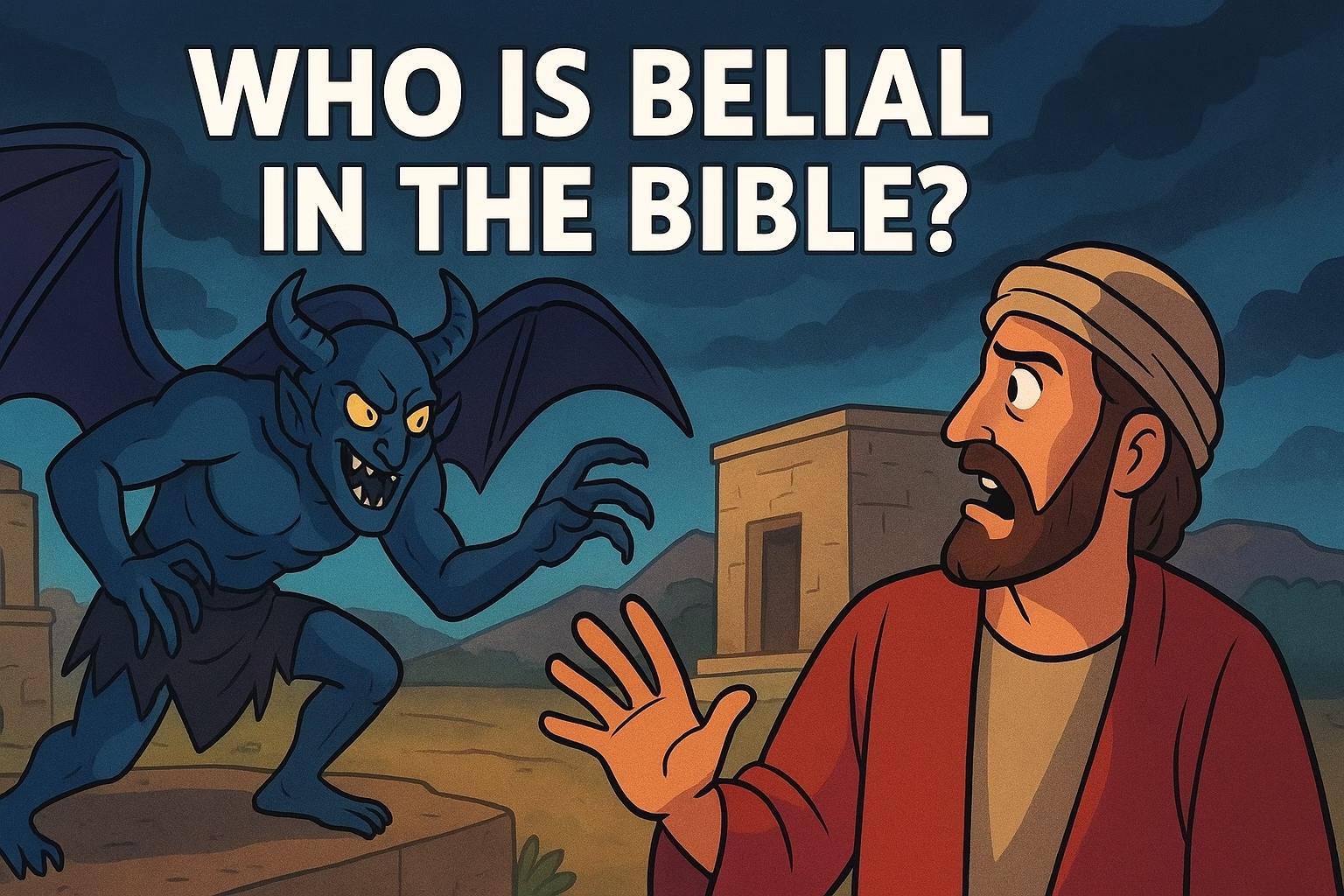
In the Bible, the figure of Belial is often associated with wickedness, lawlessness, and rebellion against God. This article will delve into the identity of Belial, exploring the relevant scriptures and context that shape our understanding of this term.
Belial is mentioned primarily in the Old Testament and appears in various forms throughout biblical literature. The name itself has been interpreted in multiple ways, but it generally signifies a personification of evil or worthlessness. In the New Testament, Belial is linked to Satan or demonic forces. Let’s explore the biblical references and meanings associated with Belial.
Old Testament References to Belial
Belial appears in the Old Testament, particularly in the book of Deuteronomy and in the writings of the prophets. The term is often used to describe individuals who are wicked or corrupt. For instance, in Deuteronomy 13:13, the term is used to refer to a group of people: “Some worthless (Belial) men have gone out among you.” Here, it indicates individuals who incite rebellion against God and lead others astray.
Meaning of Belial in the Old Testament
The Hebrew word for Belial (בְּלִיַּעַל) literally means “without worth” or “worthless.” It is not a proper name in the early texts but rather a descriptor of moral depravity. The use of Belial in the Old Testament often emphasizes the nature of those who oppose God’s commandments and engage in sinful behavior.
In 1 Samuel 2:12, the sons of Eli are described as “worthless men” (Belial) who did not know the Lord. This passage illustrates how Belial embodies moral corruption and rebellion against divine authority. The narrative emphasizes that these characters, through their actions, stand in stark contrast to the expectations of God’s servants.
Belial in the New Testament
In the New Testament, Belial is mentioned in 2 Corinthians 6:15, where the Apostle Paul asks, “What harmony is there between Christ and Belial?” Here, Paul contrasts the righteousness of Christ with the wickedness associated with Belial, drawing a clear line between good and evil. The use of Belial in this context signifies a powerful adversary to the teachings and nature of Christ.
Belial as a Representation of Evil
In the New Testament writings, Belial is often interpreted as a synonym for Satan or the forces of evil. The association is made clearer through the context, as Paul aims to highlight the incompatibility of faith in Christ with the corrupting influence of evil. This reinforces the idea that Belial represents not only individual wickedness but also a broader, spiritual opposition to God.
Theological Interpretations of Belial
The interpretations of Belial have varied over the centuries, leading to different theological understandings. Some scholars argue that Belial represents a specific demonic entity, while others view it as a general term for all that is evil. This ambiguity has allowed for a range of applications in sermons, teachings, and literature.
In early Christian writings, Belial was sometimes depicted as a demon or a spirit associated with chaos and rebellion. This interpretation aligns with the broader biblical theme of spiritual warfare, where believers are called to resist the influences of evil in their lives.
Belial in Jewish Literature
Beyond the canonical texts, Belial appears in various Jewish writings, such as the Dead Sea Scrolls, where it is often used to represent the forces of darkness in opposition to the light of God. In these texts, Belial is depicted as a leader of evil spirits, further solidifying the connection between Belial and the concept of spiritual opposition.
For instance, in the War Scroll found among the Dead Sea Scrolls, Belial is portrayed as a figure leading the forces of evil against the “sons of light.” This dualism between Belial and the righteous serves to illustrate the ongoing struggle between good and evil, a theme prevalent in both Jewish and Christian theology.
Modern Usage and Implications of Belial
In contemporary discussions, the term Belial is sometimes invoked to describe individuals or movements that are perceived to be morally corrupt or engaged in practices contrary to Christian teachings. This modern application can serve as a warning against the influences of evil that can infiltrate society, communities, and even personal lives.
Moreover, understanding Belial’s biblical context can help believers recognize the importance of discernment and the need for vigilance against moral decay. The teachings associated with Belial remind Christians of the ongoing battle against sin and the necessity of aligning oneself with God’s will.
“Do not be unequally yoked with unbelievers. For what partnership has righteousness with lawlessness? Or what fellowship has light with darkness?” (2 Corinthians 6:14)
This passage emphasizes the importance of maintaining a clear distinction between the values of the kingdom of God and those associated with Belial and the world.
Belial in Apocryphal and Extra-Biblical Texts
In addition to its biblical mentions, Belial appears in various apocryphal and extra-biblical texts, which provide further insight into its significance. These writings, while not considered canonical, reflect the beliefs and attitudes of early Jewish and Christian communities regarding evil and rebellion.
For example, in the Testament of the Twelve Patriarchs, Belial is depicted as a force that tempts individuals away from righteousness. The text emphasizes the dangers of being led astray by Belial’s deceptive nature, highlighting the moral choices faced by believers. This portrayal underscores the belief that engaging with Belial leads to spiritual ruin.
Moreover, in the writings of the Church Fathers, Belial is often referenced in discussions about moral integrity and the struggle against sin. Early theologians used the term to illustrate the opposition faced by Christians in a world filled with temptation and moral ambiguity. Such interpretations served to encourage believers to remain steadfast in their faith and resist the allure of Belial’s influence.
Belial in Cultural Context
The concept of Belial has transcended its biblical origins, influencing various cultural and literary works throughout history. In literature, Belial is sometimes personified as a character representing temptation or moral decay. This cultural adaptation often reflects a broader understanding of evil as a pervasive influence in human affairs.
In modern culture, references to Belial can be found in films, music, and literature, often embodying the archetype of the villain or the embodiment of chaos. These portrayals, while not always faithful to the biblical text, illustrate how the concept of Belial has evolved over time, becoming a symbol of the struggle between good and evil in contemporary narratives.
Understanding the Nature of Belial
To grasp the full significance of Belial in biblical literature, it is essential to consider its broader implications for understanding sin and moral failure. Belial serves as a reminder of the consequences of turning away from God and embracing a life devoid of spiritual worth. The biblical narrative consistently warns against the dangers of associating with those who embody Belial’s characteristics.
This understanding prompts critical reflection on personal conduct and community values. Belial’s presence in scripture calls believers to evaluate their relationships, choices, and the influences they allow into their lives. It underscores the importance of surrounding oneself with those who uplift and encourage a life aligned with God’s teachings.
Questions for Reflection
As we consider the implications of Belial in both biblical and modern contexts, several questions arise that can guide further contemplation:
- How does the concept of Belial shape our understanding of moral integrity in today’s society?
- What practical steps can individuals take to guard against influences that may lead them away from their faith?
- In what ways can communities foster an environment that promotes righteousness and discourages the characteristics associated with Belial?
- How can believers discern the subtle ways in which Belial’s influence may manifest in their lives and communities?
Engaging with these questions encourages a proactive approach to faith, prompting believers to take responsibility for their spiritual journey and the collective moral compass of their communities.
Conclusion: The Enduring Legacy of Belial
Belial, as depicted in the Bible and subsequent literature, serves as a powerful symbol of the struggle against evil and moral decay. This figure embodies the consequences of rebellion against God and the importance of maintaining a clear distinction between light and darkness. Understanding Belial is not merely an academic exercise; it invites believers to reflect on their lives, choices, and the influences they encounter.
Ultimately, the teachings surrounding Belial remind Christians of the necessity of vigilance in their faith journey. By recognizing the characteristics associated with Belial, believers are better equipped to resist temptation and live in accordance with God’s will, fostering a life that reflects the light of Christ amid a world often overshadowed by darkness.
For further exploration on the themes of good and evil in the Bible, consider reading about the nature of sin and its implications for believers today, as well as the concept of spiritual warfare in the Christian faith.