The story of Jairus is a poignant and powerful account found in the New Testament of the Bible, illustrating themes of faith, desperation, and divine intervention. His narrative unfolds within the ministry of Jesus, highlighting both the societal context of the time and the miraculous nature of Christ’s works. This article will delve into who Jairus was, his role in the biblical narrative, and the significance of his encounter with Jesus.
Jairus was a synagogue leader in Capernaum, a prominent figure in his community. His position as a ruler of the synagogue indicates that he was a man of authority and respect, responsible for overseeing the worship and teaching within the Jewish community. In the Gospel accounts, particularly in Mark 5:21-43, Matthew 9:18-26, and Luke 8:40-56, Jairus is introduced as a desperate father seeking help for his critically ill daughter.
The Context of Jairus’ Story
To understand Jairus’ significance, it is essential to consider the cultural and religious context of the time. As a synagogue leader, Jairus would have been well-versed in Jewish law and customs, likely holding a position of influence among the people. The synagogue was a central place of worship and community gathering for the Jews, and its leaders were expected to uphold the teachings of the Torah and provide spiritual guidance.
In the days of Jesus, the Jewish community was under Roman occupation, which created a complex social and religious atmosphere. The synagogue leaders often faced challenges from both the Roman authorities and the emerging followers of Jesus, who brought new interpretations of the faith. Jairus, therefore, would have been navigating a difficult landscape, balancing his responsibilities to the synagogue with the growing popularity of Jesus.
The Crisis: Jairus’ Daughter
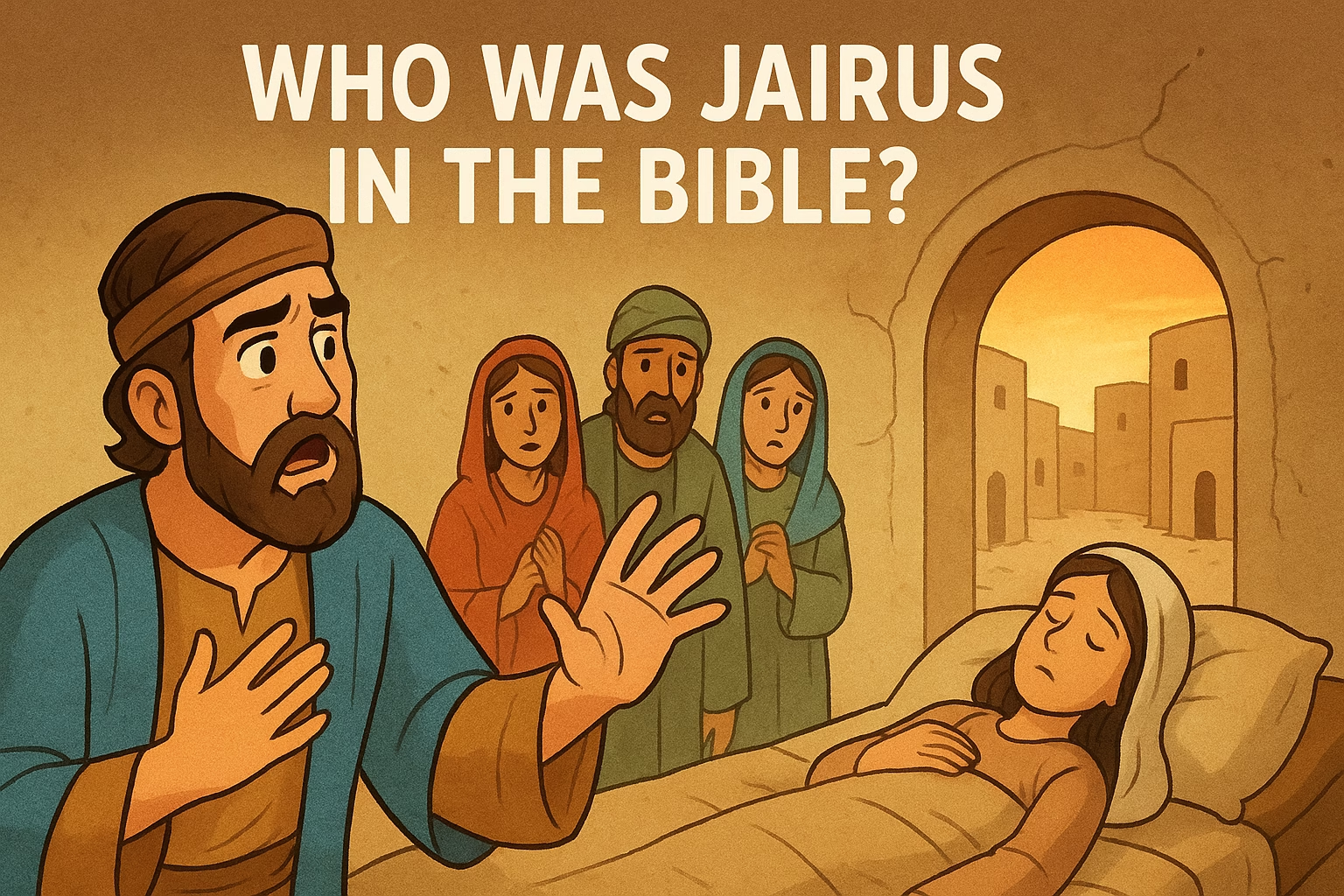
The narrative takes a dramatic turn when Jairus’ daughter falls gravely ill. The urgency of his situation is palpable; as a father, he is filled with fear and desperation. In Mark 5:22-23, we see Jairus approaching Jesus, pleading earnestly, “My little daughter is dying. Please come and lay your hands on her so she will be healed and live.” This heartfelt plea showcases Jairus’ faith in Jesus’ ability to heal and illustrates a father’s love for his child.
Jairus’ request is significant for several reasons:
- Faith in Jesus: Jairus demonstrates remarkable faith by approaching Jesus, acknowledging Him as a healer. Despite his high position, he humbles himself to seek help from a wandering teacher.
- Desperation: The gravity of his daughter’s illness drives him to take a bold step. In the face of societal expectations and potential backlash from his peers, Jairus prioritizes his daughter’s life.
- Public and Personal Stakes: Jairus risks his reputation by associating with Jesus, who was often viewed skeptically by the established religious leaders.
The Encounter with Jesus
As Jairus implores Jesus to come to his home, the narrative takes an interesting turn. While Jesus is on His way, He is interrupted by a woman suffering from a long-term illness who touches His cloak and is healed. This moment highlights Jesus’ compassion and power, but it also creates a delay that adds tension to Jairus’ situation.
In Mark 5:35-36, as the crowd presses in, messengers arrive with the devastating news that Jairus’ daughter has died. The news is crushing, and in this moment of despair, Jesus reassures Jairus, saying, “Don’t be afraid. Just have faith.” This statement serves as a pivotal moment in the story, emphasizing the importance of faith in the face of seemingly insurmountable odds.
The Miracle of Healing
Upon arriving at Jairus’ home, Jesus encounters mourners who are already grieving the loss of the young girl. He tells them, “The child is not dead but asleep,” which they mock. Despite the disbelief of those around Him, Jesus proceeds to enter the room where the girl lies. He takes her by the hand and speaks to her, saying, “Talitha koum,” which means “Little girl, I say to you, get up!” (Mark 5:41).
In this miraculous moment, Jairus witnesses the power of Jesus to overcome death. The girl rises, and her restoration is immediate and complete. This event not only brings joy to Jairus and his family but also serves as a profound demonstration of Jesus’ authority over life and death, reinforcing the faith that Jairus displayed in seeking Jesus in the first place.
Theological Implications of Jairus’ Faith
Jairus’ story is rich with theological implications. It underscores the themes of faith, hope, and the transformative power of Jesus. Jairus’ willingness to approach Jesus, despite societal pressures, reflects the call for believers to seek Christ in times of need. His story also emphasizes the reality of death and the hope of resurrection, a core tenet of Christian faith.
The encounter illustrates how Jesus responds to the cries of the desperate, offering healing and restoration. It serves as a reminder that faith can lead to miraculous outcomes, even when circumstances seem hopeless. Jairus’ experience encourages believers to trust in God’s timing and power, knowing that He is capable of performing the impossible.
In the next section, we will explore the broader implications of Jairus’ story within the context of Jesus’ ministry and how it relates to the themes of faith and healing throughout the New Testament.
Jairus in the Broader Context of Jesus’ Ministry
Jairus’ story is not just an isolated incident; it fits into a larger narrative of Jesus’ ministry, which is marked by acts of healing, compassion, and the challenge of faith. Throughout the Gospels, Jesus performs numerous miracles, many of which involve the restoration of life and health. Jairus’ request for healing for his daughter mirrors other accounts where individuals sought Jesus’ help for the sick or afflicted, emphasizing a common theme: the need for faith in Christ’s ability to intervene in dire situations.
In the context of Jesus’ healing ministry, Jairus stands out as a figure who bridges the gap between the established Jewish religious authorities and the emerging movement of Jesus. His position as a synagogue leader places him among those who might be skeptical of Jesus, yet his desperation leads him to take a leap of faith. This interaction highlights the tension between traditional Jewish beliefs and the revolutionary teachings of Jesus. It invites readers to consider how faith can transcend social and religious boundaries.
The Role of Women in Jairus’ Story
Interestingly, the story of Jairus also includes significant interactions with women, notably the woman who touches Jesus’ cloak. This woman, who had suffered for many years, demonstrates her faith by believing that even a touch of Jesus’ garment would heal her. Her healing is intertwined with Jairus’ narrative, showcasing how Jesus’ ministry is inclusive and responsive to all, regardless of social status or gender.
The juxtaposition of Jairus, a respected male leader, and the unnamed woman highlights the egalitarian nature of Jesus’ message. Both characters display faith, yet they come from vastly different backgrounds. This inclusion of women in the narrative reflects the broader theme of the Gospels, where Jesus consistently elevates the marginalized and challenges societal norms.
Lessons on Faith and Desperation
Jairus’ story is a profound lesson in faith, particularly in moments of desperation. It raises questions about the nature of faith: What does it mean to truly believe? How do we respond when faced with seemingly insurmountable challenges? Jairus approached Jesus with a specific request, demonstrating that faith can be both personal and urgent. His plea illustrates that faith often arises from a place of need, prompting believers to turn to God in their most vulnerable moments.
Moreover, the narrative invites reflection on the concept of timing in relation to faith. While Jairus was seeking immediate help for his daughter, the delay caused by the woman’s healing serves as a reminder that God’s timing may not align with our own. Jesus’ reassurance to Jairus during this painful moment underscores the importance of maintaining faith even when circumstances appear bleak. How often do we find ourselves in situations where we must trust in God’s plan, even when we do not see immediate results?
Historical and Cultural Implications
Historically, Jairus’ position as a synagogue leader would have placed him in a complex social environment, one where allegiance to traditional Jewish beliefs was paramount. The healing of his daughter by Jesus, a figure often viewed with suspicion by the religious elite, would have had implications for Jairus’ standing in the community. His willingness to seek help from Jesus could have resulted in backlash from his peers, showcasing a profound personal sacrifice for the sake of his daughter’s life.
This aspect of the story encourages readers to consider the cost of faith. What are we willing to risk in order to seek healing or truth? Jairus’ story challenges believers to examine their own faith journeys, prompting a deeper understanding of what it means to follow Christ amid societal pressures and expectations.
Conclusion: The Enduring Impact of Jairus’ Faith
Jairus’ encounter with Jesus serves as a powerful testament to the faith and desperation that many experience in their spiritual journeys. His story is a reminder that faith can lead us to Jesus, even when we are faced with doubt and fear. Through Jairus, we learn about the transformative power of faith, the importance of seeking help in times of need, and the boundless compassion of Jesus.
The narrative not only emphasizes the miraculous healing of Jairus’ daughter but also invites believers to reflect on their own faith in challenging circumstances. Jairus’ willingness to approach Jesus, despite the risks, encourages us to trust in God’s timing and power. Ultimately, his story is a call to embrace faith, reminding us that even in our darkest moments, hope and healing are possible through Christ.
As we contemplate the lessons from Jairus’ life, we are left with essential questions: How do we respond in times of crisis? Are we willing to put aside societal expectations to pursue healing and truth? Jairus’ faith challenges us to seek Jesus with the same urgency and conviction, trusting that He is able to bring life and restoration to our situations.
For further insights on related Biblical themes, explore what the Bible says about divorce and remarriage and learn about who Herod was in the Bible.