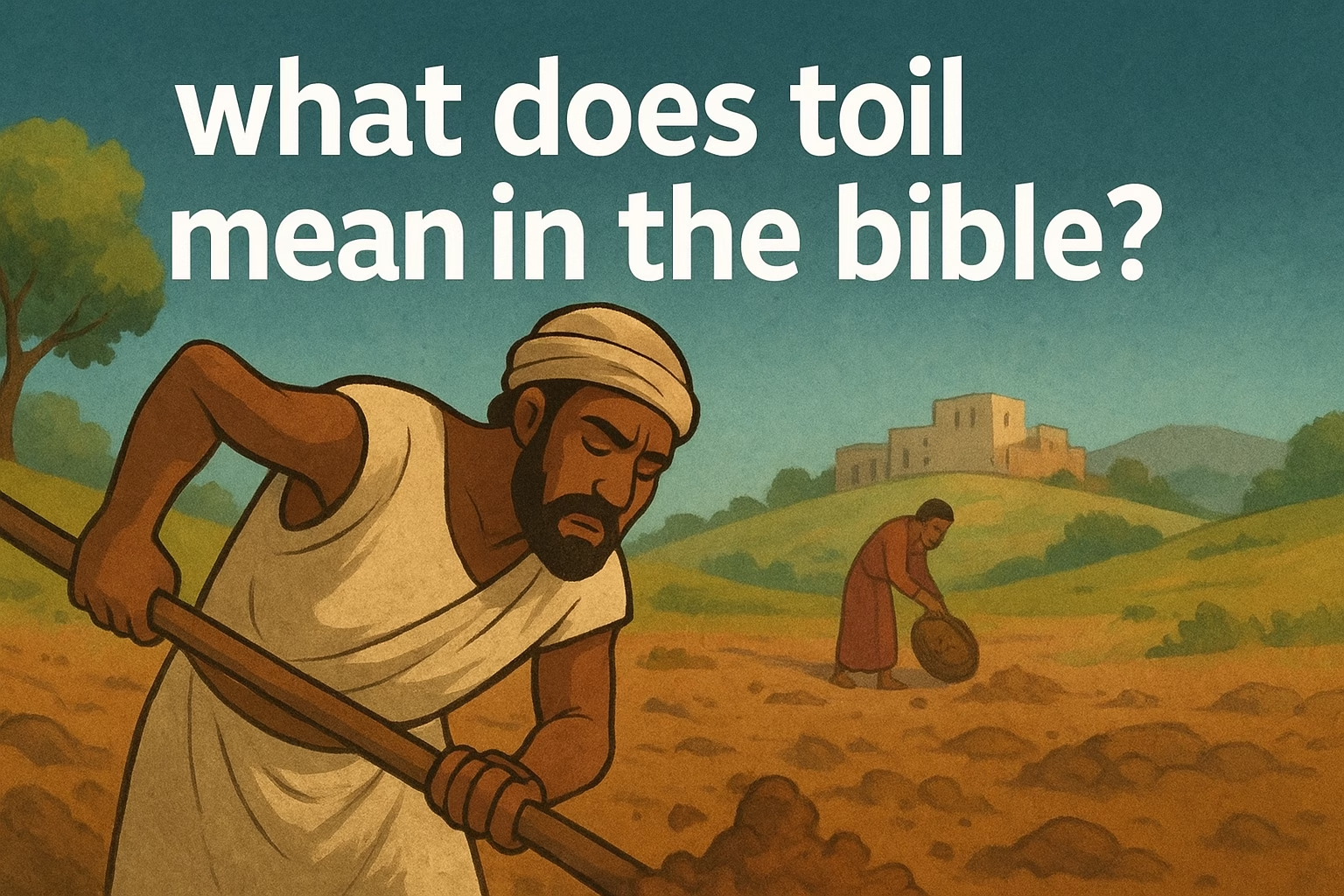
In exploring the concept of toil in the Bible, we uncover a rich tapestry of meaning that extends beyond mere labor. Toil encompasses the struggles, hardships, and efforts that define human existence. The biblical perspective on toil provides insight into the nature of work, the human condition, and the divine purpose behind our endeavors.
Toil, as described in the Bible, often refers to the arduous and sometimes painful labor that comes with living in a fallen world. It is not merely the act of working but is deeply intertwined with themes of struggle, perseverance, and the quest for fulfillment. Various passages illustrate how toil impacts life and how God views our labor.
The Origin of Toil
The concept of toil can be traced back to the book of Genesis. After Adam and Eve disobeyed God by eating from the tree of the knowledge of good and evil, God pronounced consequences for their actions. In Genesis 3:17-19, God tells Adam, “The ground is cursed because of you. All your life you will struggle to scratch a living from it.” This moment marks the beginning of toil as a consequence of sin, introducing hardship into human work.
In this context, toil is not just about physical labor; it symbolizes the broader struggles of life that arise from humanity’s separation from God due to sin. The earth, once a place of abundance, would now require effort, sweat, and toil to produce food. This transformation highlights the difficulty of life post-Fall and sets the stage for understanding toil as an inherent part of the human experience.
The Nature of Toil
Toil is often depicted in the Bible as a burden, but it is also a means of growth and character development. Ecclesiastes 2:22-23 reflects on the futility of toil when it states, “What do people get for all their hard work? Days full of sorrow and grief.” This passage suggests that without a higher purpose or connection to God, toil can feel meaningless and exhausting.
However, the Bible does not solely portray toil as negative. In Proverbs 14:23, it states, “Hard work brings a profit, but mere talk leads only to poverty.” This highlights the value of diligence and effort. Toil, when directed towards meaningful goals, can lead to fruitful outcomes and personal satisfaction. The balance lies in understanding the role of toil within the larger framework of life and faith.
Toil in the New Testament
The New Testament continues the theme of toil but introduces a transformative perspective through the teachings of Jesus. In Matthew 11:28-30, Jesus invites those who are weary and burdened to come to Him for rest, stating, “For my yoke is easy, and my burden is light.” Here, Jesus acknowledges the toil of life but offers a solution: a relationship with Him that can ease the weight of our struggles.
Furthermore, Paul discusses toil in the context of spiritual labor. In 1 Corinthians 15:58, he encourages believers to “always give yourselves fully to the work of the Lord, because you know that your labor in the Lord is not in vain.” This passage emphasizes that while earthly toil may be difficult, laboring for God’s kingdom carries eternal significance, providing a sense of purpose and hope.
The Purpose of Toil
Understanding the purpose of toil is crucial in a biblical context. Toil serves several functions. Firstly, it is a means of provision. In 2 Thessalonians 3:10, Paul writes, “If a man will not work, he shall not eat.” This underscores the principle that hard work is essential for sustenance and responsibility.
Secondly, toil can refine character. James 1:2-4 encourages believers to consider trials as opportunities for joy, as they produce perseverance and maturity. This perspective transforms the understanding of toil from mere hardship to a process of growth and development.
Lastly, toil can lead to community and relationships. In working alongside others, we build bonds and foster a sense of shared purpose. The act of laboring together can strengthen relationships, create a sense of belonging, and reflect the communal nature of God’s kingdom.
Conclusion on Toil
Toil in the Bible is a multifaceted concept that encompasses physical labor, emotional struggle, and spiritual growth. It originated as a consequence of the Fall, but through the teachings of Scripture, it is transformed into a means of purpose, provision, and character development. By understanding the biblical view of toil, believers can find meaning in their work and navigate the challenges of life with hope and faith.
The Relationship Between Toil and Rest
In examining toil, it is essential to consider its relationship with rest, as both concepts are integral to the biblical understanding of work. The creation narrative in Genesis highlights a rhythm of work and rest, where God created the world in six days and rested on the seventh. This divine model sets a precedent for humanity, emphasizing that while toil is a part of life, rest is equally important. Jesus often spoke of rest in connection to the burdens of life, inviting people to find solace in Him.
In Mark 2:27, Jesus states, “The Sabbath was made for man, not man for the Sabbath.” This indicates that rest is a gift meant to rejuvenate and restore us, allowing us to approach our toil with renewed strength and perspective. The rhythm of work and rest helps prevent burnout and fosters a balanced life, encouraging believers to seek God’s peace amidst their struggles.
Toil and the Kingdom of God
Another significant aspect of toil in a biblical context is its relationship to the Kingdom of God. In the parable of the laborers in the vineyard (Matthew 20:1-16), Jesus illustrates the value of labor in the Kingdom, showing that regardless of the timing or amount of work done, all are equally valued in God’s eyes. This parable teaches that toil in God’s Kingdom is not merely about the physical effort but about the heart’s posture towards service and grace.
Furthermore, in Colossians 3:23-24, Paul instructs believers to work heartily, as if for the Lord and not for men, emphasizing that our toil has eternal significance. The understanding that our labor contributes to God’s Kingdom can transform our perspective on work, helping us see it as a form of worship and service to others. This shift encourages believers to engage in their daily tasks with a sense of purpose and mission.
Toil as a Reflection of Faith
How we approach toil can be a reflection of our faith. In 1 Peter 5:7, believers are encouraged to cast their anxieties on God because He cares for them. When we face toil and challenges, it is an opportunity to demonstrate trust in God’s provision and timing. Rather than being overwhelmed by the burdens of work, believers can lean on God for strength and guidance, knowing that He is with them in their struggles.
This perspective shifts the focus from merely enduring toil to viewing it as an opportunity for spiritual growth and reliance on God. It fosters resilience and hope, encouraging individuals to persevere through difficulties, trusting that their labor is not in vain when aligned with God’s purposes.
Questions for Reflection
As we contemplate the biblical meaning of toil, several reflective questions can help deepen our understanding:
- How do I view my work and the struggles associated with it? Do I see it as a burden or as an opportunity for growth?
- In what ways can I incorporate rest into my life to balance the demands of toil?
- How can I shift my perspective to see my labor as a contribution to God’s Kingdom?
- What steps can I take to ensure that my toil aligns with my faith, allowing me to trust God in the process?
- How can I support others in their toil, fostering a sense of community and shared purpose?
Conclusion on Toil
Toil in the Bible encompasses more than just labor; it involves a complex interplay of struggle, purpose, and faith. While it originated as a consequence of sin, through the lens of Scripture, it can be understood as a means of growth, community, and service to God’s Kingdom. By embracing both toil and rest, believers can cultivate a balanced life, finding meaning and fulfillment in their work while trusting in God’s presence and provision. Ultimately, our toil can become a reflection of our faith, leading us to deeper relationships with God and with one another.
For further exploration on related topics, you can read about what the Bible says about working and the insights on suffering in the context of toil.