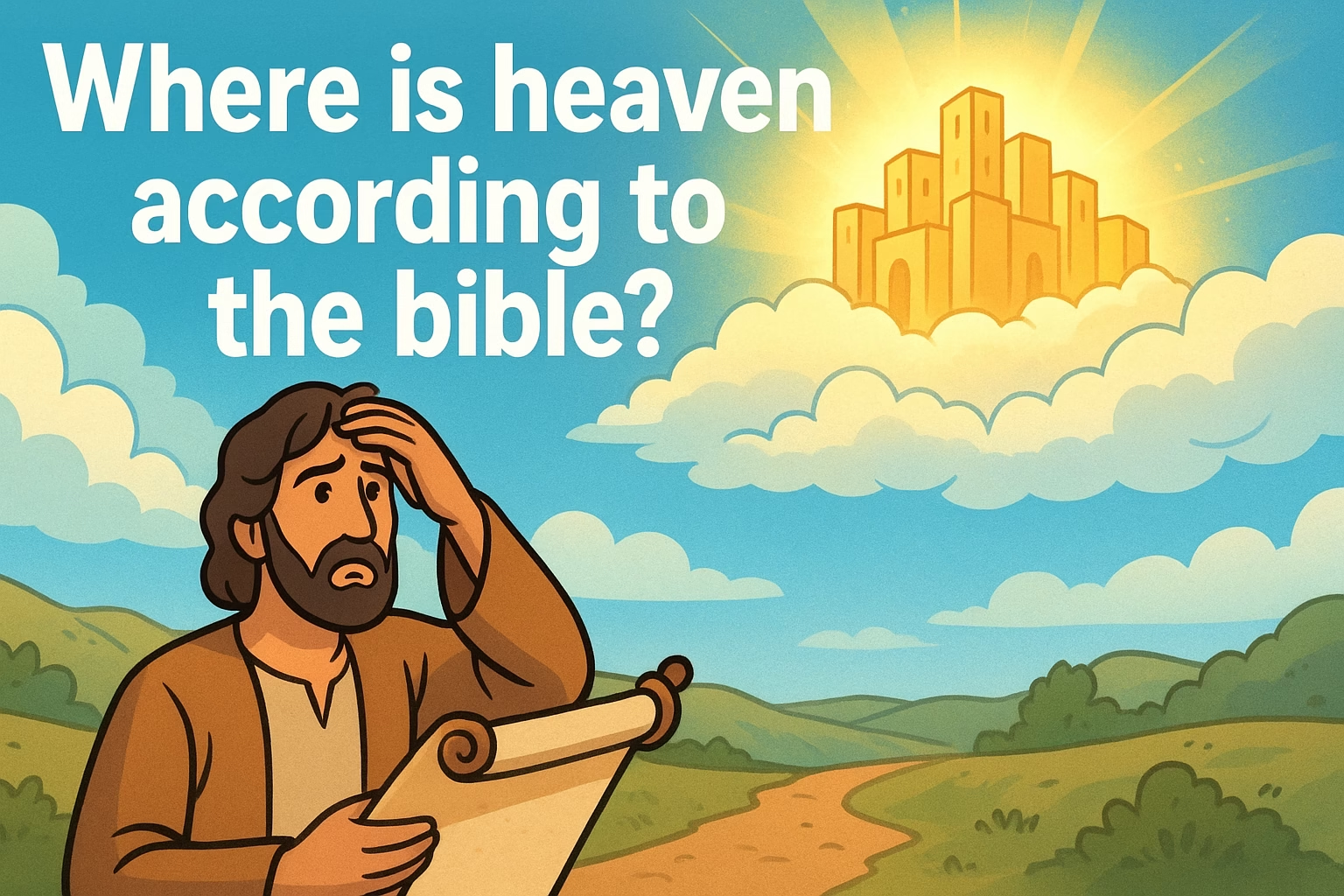
Heaven is a topic of great interest and curiosity among Christians and seekers alike. Many people wonder about its location, nature, and significance according to the Bible. Understanding where heaven is according to Scripture involves exploring various passages that describe this divine realm and its relationship to our earthly existence.
According to the Bible, heaven is often depicted as a transcendent place, distinct from our earthly realm. It is described as the dwelling place of God, where His glory resides. While the Bible does not provide a precise geographical location for heaven, it offers insights into its spiritual significance and characteristics.
Heaven as the Dwelling Place of God
One of the most fundamental aspects of heaven in the Bible is that it is the dwelling place of God. In Psalm 11:4, we read, “The LORD is in his holy temple; the LORD is on his heavenly throne.” This verse establishes heaven as the throne room of God, emphasizing His sovereignty and authority over all creation.
In the New Testament, Jesus frequently refers to heaven in relation to God. In Matthew 6:9, He instructs His followers to pray, “Our Father in heaven, hallowed be your name.” This affirms the understanding that heaven is not just a physical location but a spiritual realm where God resides and reigns.
The Nature of Heaven
Heaven is often described in terms that highlight its beauty, peace, and purity. Revelation 21:4 provides a glimpse of heaven’s nature: “He will wipe every tear from their eyes, and there will be no more death or mourning or crying or pain, for the old order of things has passed away.” This passage illustrates heaven as a place free from suffering, where God’s presence brings comfort and joy.
Similarly, Revelation 21:2 describes the New Jerusalem, saying, “I saw the Holy City, the new Jerusalem, coming down out of heaven from God, prepared as a bride beautifully dressed for her husband.” This imagery conveys a sense of splendor and divine preparation, indicating that heaven is a place of ultimate fulfillment and connection with God.
Heaven and the Earthly Realm
The Bible also presents heaven in relation to the earthly realm. In Colossians 3:1-2, Paul encourages believers to “set your minds on things that are above, not on things that are on earth.” This suggests that heaven is a higher reality, one that should influence how we live our lives on earth. The idea is that while we are physically present on earth, our spiritual focus should be directed toward heaven and the values of God’s kingdom.
Furthermore, in Matthew 28:18, Jesus states, “All authority in heaven and on earth has been given to me.” This underscores the connection between heaven and earth, indicating that heaven is not isolated from our world but is intimately involved in God’s plan for creation.
Different Perspectives on Heaven
Throughout Christian history, interpretations of heaven have varied. Some traditions emphasize heaven as a physical place, while others view it more as a spiritual state of being. These different perspectives often arise from the way various Scriptures are interpreted.
For instance, some believers see heaven as a literal location where souls go after death, while others view it as a metaphor for eternal life in the presence of God. Both views draw from biblical passages but arrive at different conclusions based on theological emphasis.
The Intermediate State
Another important aspect to consider is the concept of the intermediate state, which refers to the condition of the soul after death but before the final resurrection. In Luke 16:19-31, Jesus tells the parable of the rich man and Lazarus, illustrating a temporary state of existence after death. This parable indicates that there is awareness and a form of existence after life on earth, suggesting a type of heaven or paradise for the faithful.
The Final Heaven
In Christian eschatology, the final heaven is often associated with the New Jerusalem described in Revelation 21. This vision of heaven depicts a restored creation where God dwells among His people. Revelation 21:3 states, “And I heard a loud voice from the throne saying, ‘Look! God’s dwelling place is now among the people, and he will dwell with them. They will be his people, and God himself will be with them and be their God.'” This passage highlights the culmination of God’s plan for humanity, where heaven is fully realized in a new creation.
In summary, the Bible presents heaven as the dwelling place of God, characterized by beauty, peace, and a profound connection with the divine. While it may not provide a specific geographical location, it emphasizes the spiritual significance of heaven and its relationship to our earthly lives. The understanding of heaven can vary among different Christian traditions, leading to diverse interpretations of its nature and purpose.
Heaven in the Context of God’s Kingdom
To understand where heaven is according to the Bible, it is essential to consider its relationship to God’s kingdom. Heaven is often portrayed not just as a destination for believers but as the very realm where God’s rule is established. In Matthew 4:17, Jesus begins His ministry by proclaiming, “Repent, for the kingdom of heaven has come near.” This announcement signifies that heaven is not only a future hope but also a present reality that believers can experience through their relationship with God.
The concept of the kingdom of heaven is intricately linked to the idea of heaven itself. It implies that heaven is where God’s will is perfectly fulfilled, a reality that believers are called to participate in during their earthly lives. As they live out the values of the kingdom—love, justice, mercy, and righteousness—they bring a taste of heaven to the earth. This understanding encourages Christians to embody the principles of heaven in their daily actions and interactions.
The Role of Jesus in Heaven
Central to the Christian understanding of heaven is the role of Jesus Christ. His life, death, and resurrection opened the way for believers to enter into a relationship with God, which is a key aspect of experiencing heaven. John 14:2-3 offers comfort as Jesus tells His disciples, “In my Father’s house are many rooms; if that were not so, would I have told you that I am going there to prepare a place for you?” Here, Jesus emphasizes both the promise of a personal place in heaven and His active role in preparing that place for believers.
Moreover, the ascension of Jesus into heaven (Acts 1:9-11) reinforces the idea that heaven is a realm beyond our physical existence, yet it remains intimately connected to the work of Christ. His ascension signifies His authority and the promise that He will return, bridging the gap between heaven and earth. This duality invites believers to see heaven not merely as a distant location but as an active part of their faith journey.
Describing the Experience of Heaven
While the Bible provides vivid imagery of heaven, it also emphasizes the experience of being in God’s presence. 1 Corinthians 2:9 states, “No eye has seen, no ear has heard, and no mind has imagined what God has prepared for those who love him.” This passage suggests that the reality of heaven transcends human comprehension, highlighting the joy and fulfillment that await believers. The experience of heaven is described as one of communion with God, where believers fully understand His love and grace.
In addition, Revelation 22:3-5 portrays heaven as a place where God’s servants will serve Him and reign forever. This depiction reflects an active engagement with God, indicating that heaven is not a passive existence, but a dynamic relationship characterized by worship, service, and fulfillment. This understanding can shape how believers view their purpose on earth, as they anticipate their future in heaven while actively participating in God’s work today.
Heaven and the Restoration of All Things
Another important aspect of heaven in biblical theology is the theme of restoration. The Bible begins with creation in Genesis, where everything is deemed “very good.” However, sin disrupted this harmony, leading to suffering and separation from God. Revelation 21:5 states, “He who was seated on the throne said, ‘I am making everything new!'” This promise of renewal indicates that heaven will not only restore the relationship between God and humanity but will also restore creation itself.
This restoration invites believers to consider their role in the world today. As they work towards justice, compassion, and stewardship of the earth, they participate in God’s redemptive plan, foreshadowing the complete restoration that will be realized in heaven. It encourages a holistic view of heaven that encompasses not only personal salvation but also the healing of the entire creation.
Questions for Reflection
As one contemplates the biblical understanding of heaven, several questions may arise that deepen their exploration of this topic:
- How does the concept of heaven influence your daily life and decision-making?
- In what ways can you embody the values of the kingdom of heaven in your community?
- What does it mean to you personally that Jesus is preparing a place for you in heaven?
- How can the promise of restoration impact your understanding of current struggles and suffering?
Conclusion: The Hope of Heaven
Ultimately, the biblical portrayal of heaven is rich and multifaceted. It is a place where God’s presence is fully realized, where believers experience joy, peace, and fulfillment in their relationship with Him. While its exact location remains undefined in earthly terms, heaven transcends physical boundaries, inviting believers to live with the hope of eternal life. This hope is grounded in the assurance of God’s promises and the redemptive work of Jesus Christ, encouraging Christians to anticipate a future where they will dwell in the fullness of His glory.
For further exploration, consider how heaven contrasts with the concept of hell, as discussed in this article on what is hell described as in the Bible. Additionally, understanding salvation is crucial in the context of heaven, which you can read more about in this article on what the Bible says about salvation.