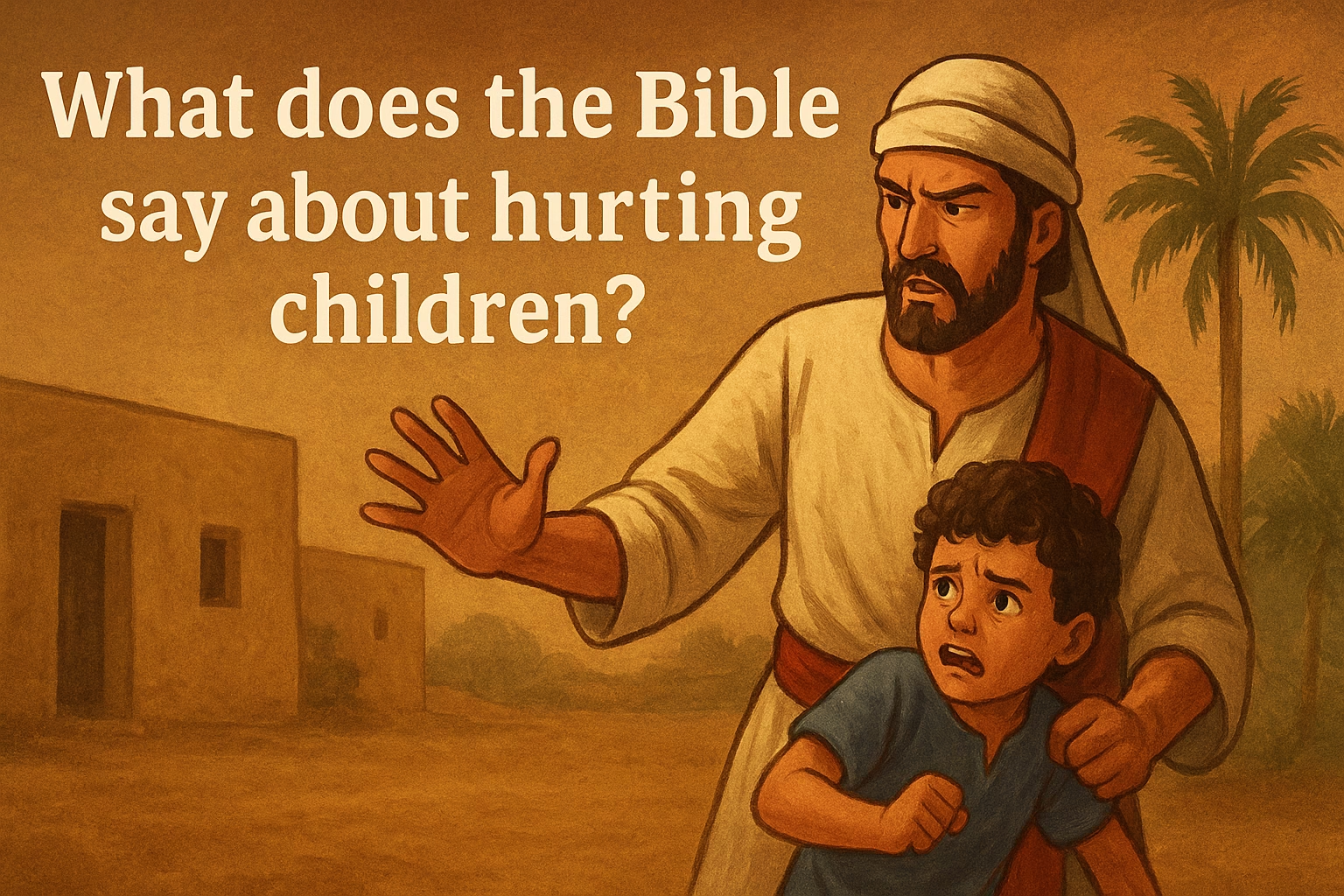
Throughout history, the welfare of children has been a significant concern in both religious and secular contexts. The Bible, as a foundational text for many, addresses the treatment of children in various ways. This article seeks to explore what the Scriptures say about hurting children, shedding light on the divine perspective regarding their care and protection.
The Bible unequivocally teaches that children are precious and deserving of love, care, and protection. Verses throughout both the Old and New Testaments emphasize the importance of nurturing children and the severe consequences for those who harm them. The Scriptures provide clear guidance on how children should be treated, reflecting God’s character and His love for the vulnerable.
Children as Blessings from God
In Psalm 127:3, the psalmist declares, “Children are a gift from the Lord; they are a reward from him.” This passage highlights the inherent value of children in the eyes of God. They are not merely a burden or responsibility but a blessing. Recognizing children as gifts sets a foundational understanding of how they should be treated: with respect, love, and care.
Jesus’ Teachings on Children
In the New Testament, Jesus emphasizes the importance of children and their place in the Kingdom of God. In Matthew 19:14, Jesus says, “Let the little children come to me, and do not hinder them, for the kingdom of heaven belongs to such as these.” This statement illustrates not only His love for children but also their significance in the spiritual realm.
Moreover, Jesus warns against causing harm to children. In Matthew 18:6, He states, “If anyone causes one of these little ones—those who believe in me—to stumble, it would be better for them to have a large millstone hung around their neck and to be drowned in the depths of the sea.” This strong warning underscores the seriousness with which God views the protection of children. Causing harm or leading them astray is met with severe consequences, indicating that their well-being is a priority for God.
The Role of Parents and Guardians
The Bible provides guidance for parents and guardians regarding their responsibilities toward children. Ephesians 6:4 instructs fathers to “not provoke your children to anger, but bring them up in the discipline and instruction of the Lord.” This verse emphasizes the importance of nurturing children in a loving environment rather than causing them distress or harm.
In Proverbs 22:6, it is written, “Start children off on the way they should go, and even when they are old they will not turn from it.” This passage highlights the role of parents in guiding children with wisdom and love, ensuring they grow up in a supportive and nurturing atmosphere. The expectation is clear: parents are called to protect their children from harm, both physically and emotionally.
The Consequences of Hurting Children
The Bible outlines the severe consequences for those who harm children. In Luke 17:2, Jesus again warns, stating, “It would be better for them to be thrown into the sea with a millstone tied around their neck than to cause one of these little ones to stumble.” This emphasizes the gravity of the offense against children and shows that God takes such matters extremely seriously.
Beyond physical harm, emotional and spiritual harm is also addressed. The Bible teaches that leading a child away from faith or into harmful behavior is a serious offense. The implications of neglect, abuse, or any form of mistreatment can have lasting effects on a child’s development and relationship with God.
God’s Heart for the Vulnerable
Throughout Scripture, God reveals His heart for the vulnerable, including children. In Deuteronomy 10:18, it is stated that God “defends the cause of the fatherless and the widow.” This principle extends to all vulnerable individuals, emphasizing that God cares for those who cannot defend themselves, including children.
In the parable of the Good Samaritan (Luke 10:25-37), Jesus illustrates the importance of showing compassion and care for those in need. While not specifically about children, the underlying message is applicable: we are called to act with love and kindness towards all, especially the vulnerable among us. This includes ensuring that children are not harmed but rather nurtured and protected.
Community Responsibility
The Bible also emphasizes the responsibility of the community in caring for its children. In James 1:27, it is written, “Religion that God our Father accepts as pure and faultless is this: to look after orphans and widows in their distress.” This call to action extends beyond individual families to the broader community, highlighting the need for collective responsibility in protecting and nurturing children.
In light of these teachings, it becomes clear that harming children is not only a personal sin but also a communal failure. The body of Christ is called to stand together against injustice and to advocate for the protection of children in every context.
As we continue to explore what the Bible says about hurting children, it is essential to reflect on these teachings and consider how they apply to our own lives and communities. The Scriptures provide a strong foundation for understanding the value of children and the responsibility we have to protect and nurture them.
Understanding the Impact of Abuse
Abuse, whether physical, emotional, or spiritual, can have devastating long-term effects on children. The Bible teaches that children are impressionable and deeply affected by their environment. In Proverbs 18:14, it is noted that “the spirit of a man can endure sickness, but a crushed spirit who can bear?” This verse highlights the importance of emotional well-being, suggesting that harm inflicted on a child’s spirit can lead to profound suffering.
The consequences of mistreatment can extend into adulthood, affecting relationships, mental health, and one’s relationship with God. This is a reminder of the responsibility that adults bear in shaping the lives of children. The Bible encourages believers to not only refrain from harming children but to actively foster their emotional and spiritual growth.
The Example of Jesus
Jesus serves as the ultimate example of how to treat children. He not only welcomed them but actively engaged with them, demonstrating unconditional love and acceptance. In Mark 10:16, it is written that Jesus took the children in His arms, placed His hands on them, and blessed them. This act illustrates His deep affection for children and sets a standard for how they should be treated by adults.
Furthermore, Jesus’ approach to children teaches us about the importance of valuing their voices and experiences. In a society that often overlooks the perspectives of the young, Jesus reminds us that children have a significant role in the Kingdom of God. This perspective calls for adults to listen to children and provide a safe space for them to express themselves.
Scriptural Guidance for Healing
For those who have experienced harm as children, the Bible offers hope and healing. Psalm 34:18 reassures us that “the Lord is close to the brokenhearted and saves those who are crushed in spirit.” This verse emphasizes God’s compassion and readiness to heal those who have been wounded, including children who have suffered abuse.
Additionally, the New Testament speaks of the restorative power of forgiveness. In Ephesians 4:32, believers are encouraged to “be kind and compassionate to one another, forgiving each other, just as in Christ God forgave you.” This call to forgive is essential for healing, both for the victim and the perpetrator, allowing for a path toward reconciliation and restoration.
Addressing the Cycle of Abuse
Recognizing that abuse can often be cyclical is crucial in addressing this issue within a biblical framework. Those who have suffered can sometimes perpetuate harm onto others. The Bible encourages breaking this cycle. In 2 Corinthians 5:17, Paul writes, “Therefore, if anyone is in Christ, the new creation has come: The old has gone, the new is here!” This verse speaks to the transformative power of faith and the possibility of a new beginning, free from the patterns of the past.
Church communities can play a vital role in breaking the cycle of abuse by providing support systems for both survivors and those seeking help for their harmful behaviors. Biblical counseling, community support, and prayer can foster healing and change within families and communities.
The Church’s Role in Advocacy
The Church has a significant role in advocating for the protection and welfare of children. In addition to individual responsibility, congregations can mobilize to address issues such as child abuse, neglect, and exploitation. Micah 6:8 calls believers to “act justly, love mercy, and walk humbly with your God,” which includes standing up for the rights of the vulnerable.
Churches can implement programs that educate families about healthy parenting, provide resources for those in crisis, and create safe environments for children. Engaging in community outreach and partnering with local organizations focused on child welfare can amplify the Church’s impact in advocating for those who cannot advocate for themselves.
Reflecting on Our Responsibilities
As we consider the biblical teachings on children and the seriousness of harming them, it is essential to reflect on our responsibilities as individuals and as part of a larger community. We must ask ourselves: How can we better protect children in our own lives? What steps can we take to ensure that they feel valued and loved? Are we willing to speak out against injustice when we see it?
The Bible calls us to a higher standard of care and compassion. In doing so, we reflect the love of Christ and fulfill our duty to protect the most vulnerable among us. It is a collective responsibility that requires action, awareness, and a commitment to making a positive difference in the lives of children.
Conclusion: A Call to Action
In conclusion, the Bible provides a clear and compelling message regarding the treatment of children. They are precious in the sight of God, deserving of love, protection, and nurturing. As believers, we are called to reflect God’s heart for the vulnerable by ensuring that children are treated with dignity and respect. By taking these teachings to heart, we can work together to create a world where children are safe, valued, and empowered to grow into the individuals God created them to be.
To learn more about the importance of community support in caring for children, read about how we can look after orphans and widows in their distress in this article on community responsibility. Additionally, explore ways to foster healthy parenting practices in our communities through this insightful piece on parenting and nurturing.