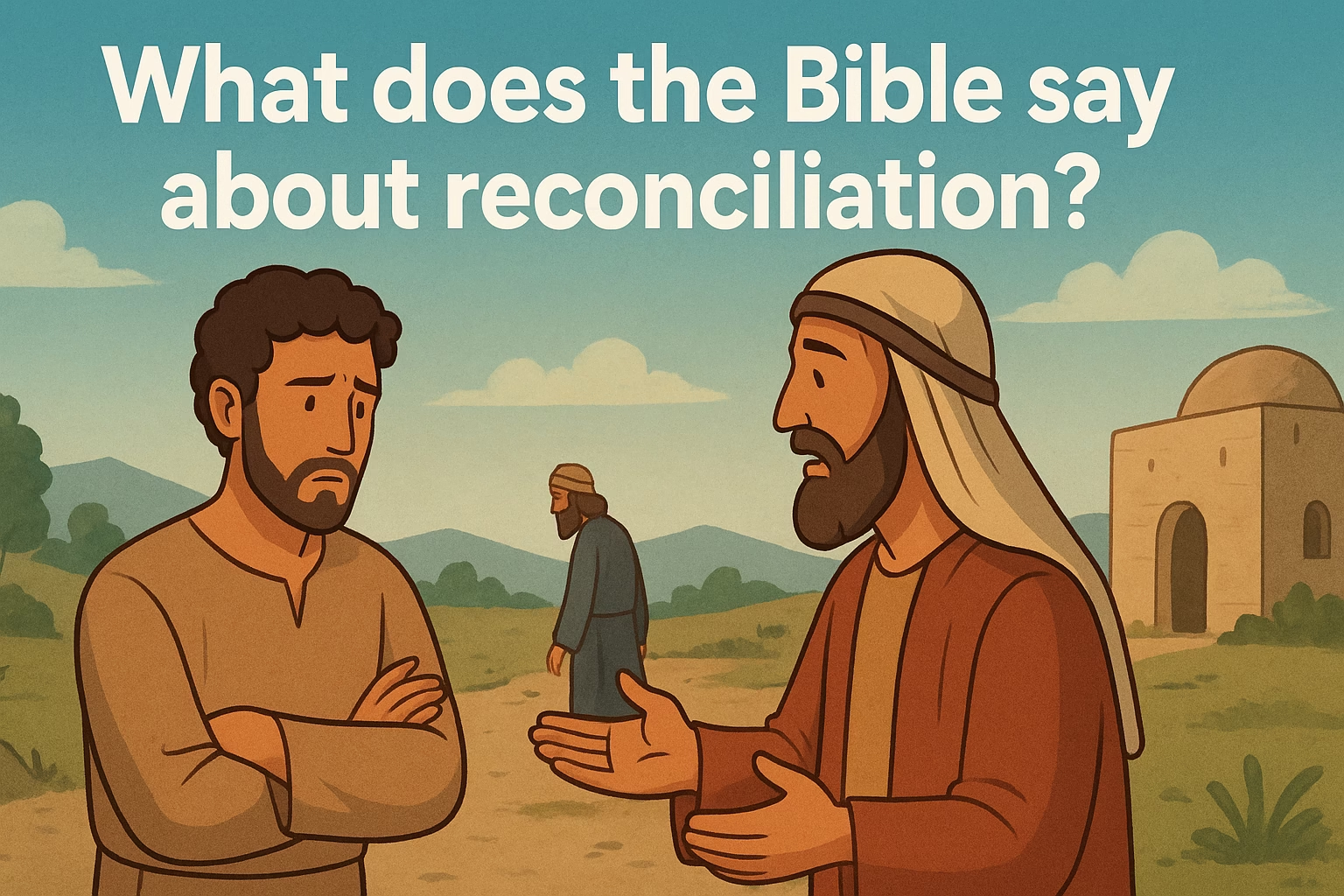
Reconciliation is a central theme in the Bible, reflecting God’s desire for restored relationships among His creation. Whether it involves reconciling with God, others, or even oneself, the Scriptures provide profound insights into the importance and process of reconciliation. In this article, we will explore what the Bible says about reconciliation and how it can transform lives.
The Bible teaches that reconciliation is not only a moral obligation but also a divine mandate. At its core, reconciliation involves restoring broken relationships and bringing peace where there is conflict. This concept is woven throughout both the Old and New Testaments, highlighting the significance of unity and forgiveness.
Reconciliation with God
The foundation of reconciliation in the Bible starts with God Himself. In the beginning, humanity was created in perfect harmony with God. However, sin entered the world, creating a rift between God and humanity (Genesis 3). This separation is described in Isaiah 59:2, which states, “It’s your sins that have cut you off from God.” The Bible emphasizes that reconciliation with God is essential for spiritual healing and restoration.
The New Testament reveals that God took the initiative to reconcile humanity to Himself through Jesus Christ. In 2 Corinthians 5:18-19, Paul writes, “And all of this is a gift from God, who brought us back to himself through Christ. And God has given us this task of reconciling people to him.” This passage indicates that God desires to mend the broken relationship caused by sin, offering forgiveness and restoration through faith in Jesus.
The Role of Forgiveness in Reconciliation
Forgiveness is a key component of reconciliation. The Bible teaches that in order to restore relationships, we must first forgive those who have wronged us. In Matthew 6:14-15, Jesus emphasizes this principle, stating, “If you forgive those who sin against you, your heavenly Father will forgive you. But if you refuse to forgive others, your Father will not forgive your sins.” This underscores the reciprocal nature of forgiveness in the context of reconciliation.
In the parable of the unforgiving servant (Matthew 18:21-35), Jesus illustrates the importance of showing mercy to others. The servant, who was forgiven a large debt, refused to forgive a fellow servant a much smaller debt. As a result, he faced severe consequences. This story highlights that our willingness to forgive others is a reflection of the forgiveness we have received from God.
Reconciliation with Others
Reconciliation is not only about our relationship with God but also extends to our relationships with others. The Bible encourages believers to seek peace and unity with one another. In Romans 12:18, Paul advises, “Do all that you can to live in peace with everyone.” This directive emphasizes the proactive nature of reconciliation, urging individuals to take steps toward healing and restoration in their relationships.
Jesus also addresses reconciliation in the context of conflict resolution. In Matthew 5:23-24, He instructs, “So if you are presenting a sacrifice at the altar in the Temple and you suddenly remember that someone has something against you, leave your sacrifice there at the altar. Go and be reconciled to that person. Then come and offer your sacrifice to God.” This passage indicates that reconciliation with others is a priority, even above religious duties.
The Process of Reconciliation
The process of reconciliation often involves several steps. First, it requires humility and a willingness to acknowledge wrongdoing. In James 4:10, we are encouraged to “humble yourselves before the Lord, and he will lift you up in honor.” Recognizing our faults and seeking forgiveness is an essential part of mending relationships.
Secondly, communication plays a vital role in reconciliation. Ephesians 4:15 encourages believers to “speak the truth in love.” Honest and loving conversations can help clarify misunderstandings and pave the way for healing. It is essential to approach these discussions with grace and patience.
The Importance of Unity
Reconciliation ultimately leads to unity, which is highly valued in the Bible. In John 17:20-21, Jesus prays for unity among believers, stating, “I pray that they will all be one, just as you and I are one.” This prayer emphasizes that unity reflects the nature of God and is a testimony to the world of His love.
In the early church, the importance of unity was evident as believers faced external challenges and internal conflicts. Paul frequently urged the church in his letters to maintain unity and peace (Ephesians 4:3). He recognized that a united body of believers would be a powerful witness to the world.
The Challenge of Reconciliation
While the Bible emphasizes the importance of reconciliation, it also acknowledges that the process can be challenging. People may struggle with pride, hurt, or the desire for revenge, making it difficult to forgive and reconcile. However, the Scriptures remind us that we are called to reflect God’s grace in our relationships. Philippians 2:3-4 encourages believers to “not be selfish; don’t try to impress others. Be humble, thinking of others as better than yourselves.” This attitude fosters an environment conducive to reconciliation.
As we explore what the Bible says about reconciliation, it becomes clear that it is a vital aspect of the Christian faith. Reconciliation with God, others, and within ourselves is necessary for spiritual growth and healthy relationships. The Bible provides guidance, encouragement, and a model for how to pursue reconciliation in our lives.
Reconciliation with Oneself
Reconciliation also extends to the relationship we have with ourselves. Many individuals struggle with feelings of guilt, shame, or regret over past actions. The Bible acknowledges the importance of self-acceptance and healing. In Psalm 51, David expresses a deep desire for personal reconciliation after his sin with Bathsheba. He recognizes the need for God’s mercy and cleansing, stating, “Create in me a clean heart, O God.” This introspection shows that reconciliation begins within, as we come to terms with our own shortcomings and seek God’s forgiveness.
In addition, Romans 8:1 reminds us that “there is no condemnation for those who belong to Christ Jesus.” This powerful statement encourages believers to release their burdens and embrace their identity in Christ. When we reconcile with ourselves, accepting God’s grace and forgiveness, we can move forward with renewed purpose and freedom.
The Role of Community in Reconciliation
The Bible also highlights the significance of community in the reconciliation process. Believers are called to support one another and foster environments where healing can occur. In Galatians 6:1, Paul writes, “Dear brothers and sisters, if another believer is overcome by some sin, you who are godly should gently and humbly help that person back onto the right path.” This verse emphasizes the importance of accountability and community in restoring relationships.
Moreover, the early church exemplified the power of community in reconciliation. Acts 2:44-47 describes how believers shared their possessions and supported one another, creating a unified body. This sense of belonging and mutual support is essential for encouraging reconciliation, as it fosters love and understanding among individuals.
Prayer as a Tool for Reconciliation
Prayer is an essential element in the reconciliation process. It serves as a means of seeking guidance, strength, and healing. In Matthew 5:44, Jesus instructs us to pray for those who persecute us. This practice can transform our hearts, helping us to let go of anger and resentment. When we pray for others, we begin to see them through God’s eyes, which can lead to a desire for reconciliation.
Furthermore, James 5:16 encourages believers to “confess your sins to each other and pray for each other.” This mutual prayer fosters an atmosphere of honesty and vulnerability, which is conducive to reconciliation. When we bring our relationships before God, we invite His presence into the process, allowing Him to work in ways we may not expect.
Reconciliation and the Church
The church plays a crucial role in promoting reconciliation among its members and within the broader community. As the body of Christ, believers are called to exemplify reconciliation in their interactions, reflecting God’s love and grace. In 2 Corinthians 5:20, Paul describes believers as “Christ’s ambassadors,” tasked with the ministry of reconciliation. This calling extends beyond personal relationships to encompass societal issues, such as justice and peace.
Church leaders are encouraged to foster environments where reconciliation can thrive. This may involve addressing conflicts within the congregation, promoting forgiveness, and encouraging open dialogue. Ephesians 4:3 urges believers to “make every effort to keep the unity of the Spirit through the bond of peace.” This unity not only strengthens the church but also serves as a powerful testimony to the world of God’s reconciling work.
Follow-Up Questions for Reflection
As we consider the biblical perspective on reconciliation, it may be helpful to reflect on some follow-up questions:
- Are there relationships in your life that require reconciliation? What steps can you take to initiate this process?
- How can you practice self-forgiveness and embrace God’s grace in your life?
- In what ways can you support others in their journey toward reconciliation?
- How does your local church model the principles of reconciliation? What can be improved?
The Transformative Power of Reconciliation
Ultimately, reconciliation is transformative. It has the power to heal wounds, restore relationships, and bring peace to our hearts. The Bible illustrates that reconciliation is not merely a one-time event but an ongoing journey of grace and forgiveness. As we engage in this process, we become more like Christ, who came to seek and save the lost and to reconcile all things to Himself.
By embracing the principles of reconciliation found in Scripture, we can experience profound changes in our relationships with God, others, and ourselves. As we seek to live out this calling, we reflect the heart of God to a world in desperate need of healing and hope.
For further insights on related topics, you can explore what the Bible says about forgiving others and what the Bible says about repentance.