
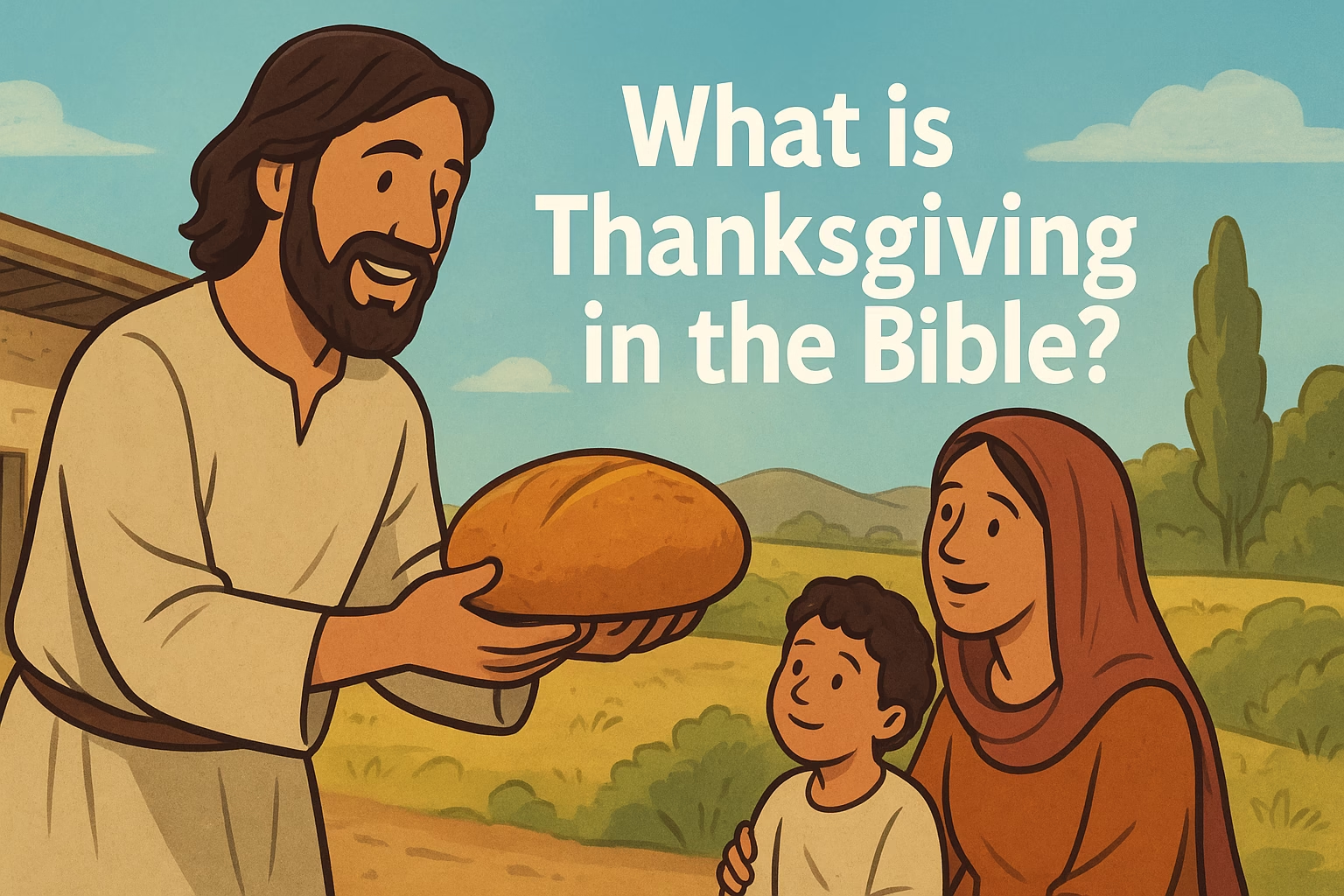
Thanksgiving is a significant theme in the Bible, reflecting a deep sense of gratitude and appreciation toward God for His blessings and provisions. It encompasses more than just a day of celebration; it is a lifestyle that acknowledges God’s goodness, mercy, and grace in our lives. In this article, we will explore what thanksgiving means in the biblical context, examining key passages and insights that highlight its importance in our relationship with God.
At its core, thanksgiving in the Bible is an expression of gratitude to God for His acts of kindness, faithfulness, and love. It serves as a reminder to acknowledge God’s presence and provision in every aspect of life. The Bible encourages believers to cultivate a heart of thankfulness, recognizing that it not only honors God but also enriches our spiritual journey.
The Biblical Foundation of Thanksgiving
Thanksgiving is woven throughout the Scriptures, beginning in the Old Testament where the Israelites were instructed to offer thanks as part of their worship. One of the most notable examples is found in the Psalms. Psalm 100:4 invites believers to “enter His gates with thanksgiving and His courts with praise.” This verse illustrates how thanksgiving is integral to approaching God in worship, emphasizing the importance of gratitude in our relationship with Him.
In the context of ancient Israel, thanksgiving was often expressed through sacrifices and offerings. Leviticus 7:12-15 outlines the regulations for peace offerings, which included a thanksgiving component. These offerings were a way for the people to publicly acknowledge God’s blessings and celebrate His goodness. This practice established a communal aspect of gratitude, as families and communities would gather to share in the joy of giving thanks.
Thanksgiving in the New Testament
The New Testament continues this theme, with the Apostle Paul frequently encouraging the early church to be thankful. In 1 Thessalonians 5:16-18, Paul writes, “Always be joyful. Never stop praying. Be thankful in all circumstances, for this is God’s will for you who belong to Christ Jesus.” Here, Paul emphasizes that thanksgiving is not limited to moments of abundance but should be a constant attitude, even during trials.
This perspective on thanksgiving reflects a deeper understanding of God’s sovereignty and goodness. Paul’s exhortation reminds believers that gratitude is a choice, a response to God’s character rather than merely a reaction to our circumstances. By cultivating an attitude of thankfulness, we align ourselves with God’s will and foster a deeper trust in His plans for our lives.
The Power of Thanksgiving
Thanksgiving holds transformative power, both for individuals and communities. When we express gratitude, we shift our focus from what we lack to what we have received. This change in perspective can lead to greater joy and contentment. Philippians 4:6-7 encourages believers to present their requests to God with thanksgiving, assuring them that the peace of God will guard their hearts and minds. Here, we see how thanksgiving is linked to peace, illustrating its role in alleviating anxiety and fostering a sense of well-being.
“Do not worry about anything; instead, pray about everything. Tell God what you need, and thank Him for all He has done.”
Moreover, thanksgiving can strengthen community bonds. Colossians 3:15-17 urges believers to let the peace of Christ rule in their hearts and to be thankful. When we express gratitude collectively, it fosters unity and encourages one another in faith. Sharing testimonies of God’s goodness can inspire others and create an atmosphere of worship and celebration within the church.
Practical Expressions of Thanksgiving
Thanksgiving in the Bible is not merely a theoretical concept; it calls for practical expressions in our daily lives. Here are some ways to embody a spirit of thanksgiving:
- Prayer: Incorporate thanksgiving into your prayer life. Begin your prayers by acknowledging God’s past faithfulness and expressing gratitude for His blessings.
- Worship: Engage in worship through songs, hymns, and spiritual songs that celebrate God’s goodness. Worship is a powerful way to express gratitude and connect with God.
- Service: Show gratitude through acts of service. Helping others in need is a tangible way to reflect God’s love and thankfulness for His blessings in your life.
- Journaling: Keep a gratitude journal where you regularly write down things you are thankful for. This practice can help you focus on the positive aspects of your life.
- Share Testimonies: Share your experiences of God’s goodness with others. Testimonies can encourage fellow believers and create a culture of thankfulness within your community.
These practices can help cultivate a heart of thanksgiving, allowing it to permeate your life and relationships. By intentionally focusing on gratitude, we can deepen our connection with God and reflect His love to those around us.
Thanksgiving in Trials and Challenges
One of the most profound aspects of biblical thanksgiving is its relevance during difficult times. James 1:2-4 encourages believers to “consider it pure joy whenever you face trials of many kinds.” This may seem counterintuitive, but the principle here is that challenges can lead to growth and maturity in faith. By choosing to be thankful, even in hardship, we can find strength and hope in God’s promises.
Furthermore, 2 Corinthians 4:15 reveals that “all of this is for your benefit, and as God’s grace reaches more and more people, there will be great thanksgiving, and God will receive more and more glory.” This verse highlights how our struggles can ultimately lead to greater thanksgiving as we witness God’s work in our lives and the lives of others.
In summary, thanksgiving in the Bible is an essential aspect of the believer’s life, reflecting gratitude for God’s goodness and faithfulness. It is a practice that transcends circumstances, inviting us to cultivate a spirit of thankfulness that honors God and enriches our spiritual journey.
The Role of Thanksgiving in Worship
Thanksgiving plays a crucial role in worship, serving as a bridge between the believer and God. In many religious traditions, including Christianity, worship is not solely about requests or confessions; it encompasses adoration and gratitude. Psalm 95:2 invites worshippers to “come before His presence with thanksgiving.” This suggests that thanksgiving is foundational to approaching God in worship, enhancing the depth and sincerity of our praise.
Moreover, the act of thanksgiving during worship can transform the atmosphere of a gathering. When believers come together to express gratitude, it fosters an environment of joy and celebration. This collective expression of thanks can magnify the experience of worship, creating a sense of unity among participants. Worship that includes thanksgiving is not only honoring to God but also uplifting for the community.
Thanksgiving as a Spiritual Discipline
Incorporating thanksgiving into our daily lives can be viewed as a spiritual discipline. Spiritual disciplines are practices that help believers grow in their faith and deepen their relationship with God. By intentionally practicing gratitude, we train our hearts and minds to recognize God’s blessings, even in mundane circumstances.
Colossians 4:2 encourages believers to “devote yourselves to prayer with an alert mind and a thankful heart.” This highlights how thanksgiving is not merely a reaction to good fortune but a proactive choice that requires intentionality. Engaging in this discipline can help shift our focus from our problems to the blessings we often overlook. It can also cultivate a habit of positivity and hope, which is essential for spiritual health.
The Connection Between Thanksgiving and Contentment
Thanksgiving is closely linked to the concept of contentment. In 1 Timothy 6:6, Paul states that “godliness with contentment is great gain.” When we practice thanksgiving, we begin to see our lives through the lens of God’s provision rather than our desires. This perspective shift can lead to greater contentment, as we learn to appreciate what we have rather than longing for what we do not.
Additionally, Philippians 4:11-13 illustrates how Paul learned to be content in every situation. His ability to be thankful in both plenty and want underscores the idea that contentment is rooted in trust in God’s provision. By fostering an attitude of gratitude, we can combat feelings of envy and dissatisfaction, leading to a more fulfilling life.
Thanksgiving in the Context of Community
Thanksgiving is not just an individual practice; it is deeply communal. In many cultures, including those reflected in the Bible, expressions of gratitude are often shared within the community. The early church exemplified this as they gathered to break bread and share in each other’s lives, often giving thanks to God for His provisions together. Acts 2:46-47 describes how the believers met regularly, “sharing meals with great joy and generosity, all the while praising God.” This communal aspect can strengthen relationships and build a supportive network of faith.
Furthermore, sharing testimonies of God’s goodness can be a powerful way to inspire thankfulness in others. When we recount how God has worked in our lives, it can encourage those around us to reflect on their own blessings. This practice of communal thanksgiving can create a culture of gratitude, enhancing the spiritual vitality of the community.
Reflecting on Personal Thanksgiving
As we consider the biblical theme of thanksgiving, it is essential to reflect on our own lives. What are we thankful for? How can we express that gratitude in meaningful ways? Taking time to ponder these questions can deepen our understanding of God’s blessings and encourage us to share that gratitude with others.
One avenue to explore is to examine the small things we might take for granted. Often, we focus on significant events or blessings, but the Bible encourages us to appreciate the everyday gifts of life. In Ephesians 5:20, Paul advises believers to “give thanks for everything to God the Father in the name of our Lord Jesus Christ.” This holistic view of gratitude invites us to acknowledge God’s hand in all aspects of our lives.
Conclusion: A Life of Thanksgiving
In conclusion, thanksgiving in the Bible is a multifaceted concept that encompasses worship, community, and personal reflection. It is a vital part of our spiritual lives, encouraging us to recognize and celebrate God’s goodness continually. By cultivating a spirit of thankfulness, we can transform our perspective, enrich our relationships, and honor God in all we do. Thanksgiving is not merely a seasonal practice but a lifelong commitment that can profoundly impact our faith journey and the world around us. As we embrace this attitude of gratitude, may we inspire others to do the same, creating a ripple effect of thankfulness in our communities and beyond.
For more insights on the significance of gratitude and how to embody it in our lives, check out this article on gratitude in Christian practice and explore this guide on fostering thankfulness in daily life.