The theme of sacrifice is prominent in the Bible, with various figures facing situations that test their faith and devotion. One of the most notable stories involving the sacrifice of a son is that of Abraham and Isaac. This narrative raises profound questions about faith, obedience, and divine purpose. In this article, we will explore the context and significance of this biblical account, focusing on who sacrificed his son and the implications of that act.
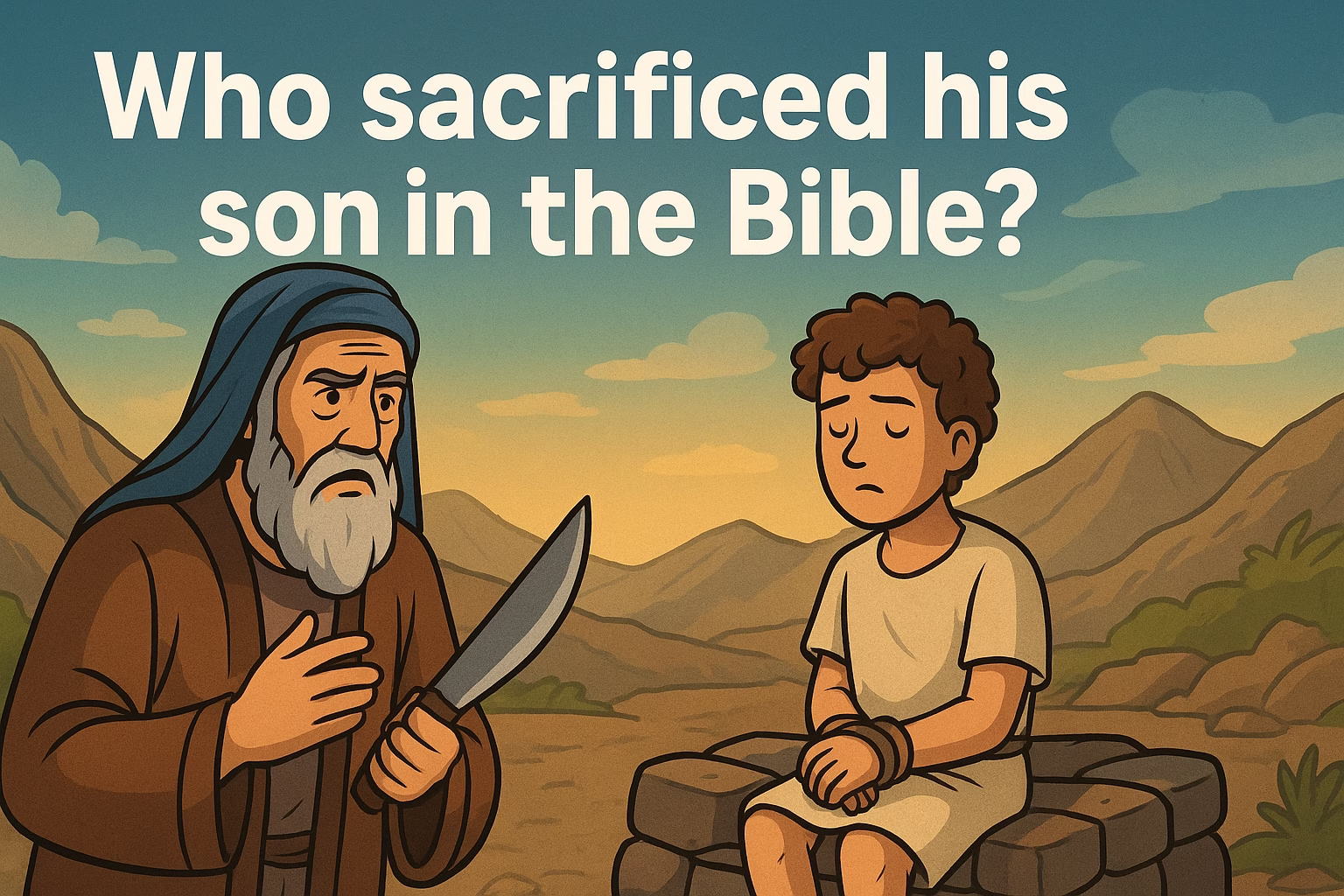
The individual who is most famously known for sacrificing his son in the Bible is Abraham. In the book of Genesis, God commands Abraham to offer his beloved son Isaac as a burnt offering. This command is found in Genesis 22:2, where God instructs Abraham to take Isaac to the land of Moriah and sacrifice him on one of the mountains there. This story is central to understanding Abraham’s faith and obedience to God.
Understanding the Context of Abraham’s Sacrifice
To fully appreciate the gravity of Abraham’s situation, it’s essential to consider the background leading up to this command. Abraham, originally named Abram, was called by God to leave his homeland and journey to a new land that God promised to give to him and his descendants. At that time, Abraham was childless and well advanced in age, making the promise of a son seem impossible. However, God miraculously granted him a son, Isaac, when Abraham was 100 years old and Sarah, his wife, was 90 (Genesis 21:1-7).
Isaac was not just any child; he was the fulfillment of God’s promise to Abraham. The name “Isaac” means “laughter,” reflecting the joy and disbelief that accompanied his birth. Therefore, when God commanded Abraham to sacrifice Isaac, it was not only a test of faith but also a profound challenge to Abraham’s understanding of God’s promises.
The Test of Faith
Abraham’s response to God’s command is a significant aspect of this narrative. In Genesis 22:3, we read that Abraham rose early in the morning, gathered the necessary supplies, and set out for the location God had indicated. His immediate compliance demonstrates his unwavering faith and trust in God, even in the face of such a heartbreaking command.
As they traveled, Isaac innocently asked his father about the lamb for the burnt offering. Abraham replied, “God will provide for himself the lamb for a burnt offering, my son” (Genesis 22:8, NLT). This statement reveals Abraham’s deep faith that God would somehow provide, even in the midst of a seemingly impossible situation.
The Climax of the Sacrifice
Upon reaching the designated location, Abraham built an altar and arranged the wood. He then bound Isaac and placed him on the altar. At this moment, Abraham was prepared to follow through with God’s command, demonstrating the depth of his obedience. However, just as he was about to slay his son, an angel of the Lord called out to him, stopping him from completing the act (Genesis 22:11-12).
The angel’s intervention was crucial, emphasizing that God was testing Abraham’s faith rather than desiring the actual sacrifice of Isaac. Abraham’s willingness to sacrifice his son was a testament to his faith, and his actions were rewarded by God. In Genesis 22:13-14, Abraham saw a ram caught in a thicket and sacrificed it in place of Isaac. This event is significant as it illustrates the concept of substitutionary sacrifice, which foreshadows later biblical themes of redemption.
Theological Implications of the Sacrifice
The story of Abraham and Isaac carries deep theological implications. It raises questions about the nature of faith, the character of God, and the concept of sacrifice. Abraham’s readiness to sacrifice Isaac can be seen as a foreshadowing of God’s ultimate sacrifice of His own Son, Jesus Christ, for the redemption of humanity. Just as God provided a ram to spare Isaac, He provided Jesus as the sacrificial Lamb to take away the sins of the world.
Moreover, this narrative emphasizes the importance of faith in the face of uncertainty. Abraham did not have all the answers, but he trusted God’s character and promises. This theme resonates with many believers today, encouraging them to remain faithful even when circumstances seem dire.
Lessons from Abraham’s Story
The story of Abraham’s willingness to sacrifice Isaac offers several important lessons for readers:
- Faith and Obedience: Abraham’s immediate obedience to God’s command highlights the importance of trusting God, even when His instructions are difficult to understand.
- God’s Provision: The provision of the ram serves as a reminder that God sees our needs and is capable of providing for us in ways we may not expect.
- The Nature of Sacrifice: The story invites reflection on what it means to make sacrifices in our own lives for the sake of faith and obedience.
In summary, while the Bible contains other instances of sacrifice, the story of Abraham and Isaac stands out due to its profound implications for faith and the understanding of God’s promises. Abraham’s willingness to sacrifice his son in obedience to God serves as a cornerstone for discussions on faith, trust, and divine provision. The narrative not only illustrates a pivotal moment in Abraham’s life but also sets the stage for the understanding of sacrifice that permeates the entire biblical narrative.
Other Instances of Sacrifice in the Bible
While Abraham’s sacrifice of Isaac is one of the most prominent accounts in the Bible, there are other significant instances where individuals faced similar tests of faith involving the sacrifice of loved ones or the willingness to give up something precious. Understanding these narratives can deepen our appreciation of the theme of sacrifice throughout Scripture.
Jephthah’s Vow
In Judges 11, we encounter Jephthah, a judge of Israel, who makes a rash vow to God before going into battle against the Ammonites. He promises that if God grants him victory, he will sacrifice whatever comes out of his house to greet him upon his return. Tragically, his daughter, his only child, is the first to come out to meet him. Jephthah’s story raises complex questions about vows, the nature of sacrifice, and the consequences of hasty promises. Unlike Abraham, who received divine intervention, Jephthah’s story ends with the fulfillment of his vow, highlighting the tragic outcomes that can arise from misinterpreting God’s will.
The Sacrifice of Animals
Throughout the Old Testament, animal sacrifices were a common practice for atonement and worship. The laws given in Leviticus outline various offerings, including burnt offerings, peace offerings, and sin offerings. These sacrifices were meant to symbolize the seriousness of sin and the need for atonement. They served as a temporary solution for the Israelites, foreshadowing the ultimate sacrifice of Jesus Christ. Understanding these sacrificial practices provides context for the significance of Jesus’s death, which is often referred to as the ultimate sacrifice for the sins of humanity.
The Role of Sacrifice in Christian Theology
The concept of sacrifice is integral to Christian theology, particularly regarding the life and death of Jesus Christ. The New Testament presents Jesus as the fulfillment of the sacrificial system established in the Old Testament. His death on the cross is seen as the ultimate sacrifice, taking the place of humanity’s sins. This idea of substitutionary atonement parallels the story of Abraham and Isaac, where a ram was provided as a substitute for Isaac.
In Romans 12:1, believers are encouraged to present their bodies as living sacrifices, holy and pleasing to God. This call to sacrifice reflects the understanding that true worship involves more than ritual; it requires a life committed to serving God and others. This theme of living sacrifice echoes the lessons learned from Abraham’s story and emphasizes the ongoing nature of sacrifice in the life of a believer.
Faith and Doubt in the Face of Sacrifice
Abraham’s narrative also prompts reflections on the relationship between faith and doubt. While he is celebrated for his unwavering faith, it is essential to recognize that doubt is a natural human emotion. The Bible does not shy away from portraying the struggles of its characters. For instance, even Abraham had moments of doubt regarding God’s promises, evidenced in his earlier interactions with God when he laughed at the idea of having a son. This duality of faith and doubt can resonate with many believers today, reminding them that faith is often a journey filled with uncertainty.
Questions for Reflection
As we explore the theme of sacrifice in the Bible, several questions arise that can aid in personal reflection and group discussion:
- What does Abraham’s willingness to sacrifice Isaac teach us about trust in God, especially during difficult times?
- How can we apply the lessons of sacrifice in our own lives? Are there areas where we need to let go or make sacrifices for our faith?
- How does understanding the Old Testament sacrificial system enhance our appreciation of Jesus’s sacrifice in the New Testament?
- In what ways do we see parallels between Jephthah’s story and Abraham’s? What can we learn from their different outcomes?
- How can we reconcile moments of doubt in our faith journey with the call to sacrifice for God?
Closing Thoughts
The sacrifice of Abraham’s son Isaac is a pivotal moment in the biblical narrative, rich with theological significance and lessons about faith, obedience, and divine provision. It serves as a profound reminder of how God tests our faith and the lengths to which He goes to provide for us. Through the lens of sacrifice, we gain insight not only into the character of God but also into our own lives as we navigate the challenges of faith. As believers, we are called to reflect on what it means to live sacrificially, echoing the ultimate sacrifice made by Jesus Christ for our redemption.
For further exploration of sacrifices in the Bible and their implications, you can read about the significance of animal sacrifices in the Old Testament and the ultimate sacrifice of Jesus Christ.