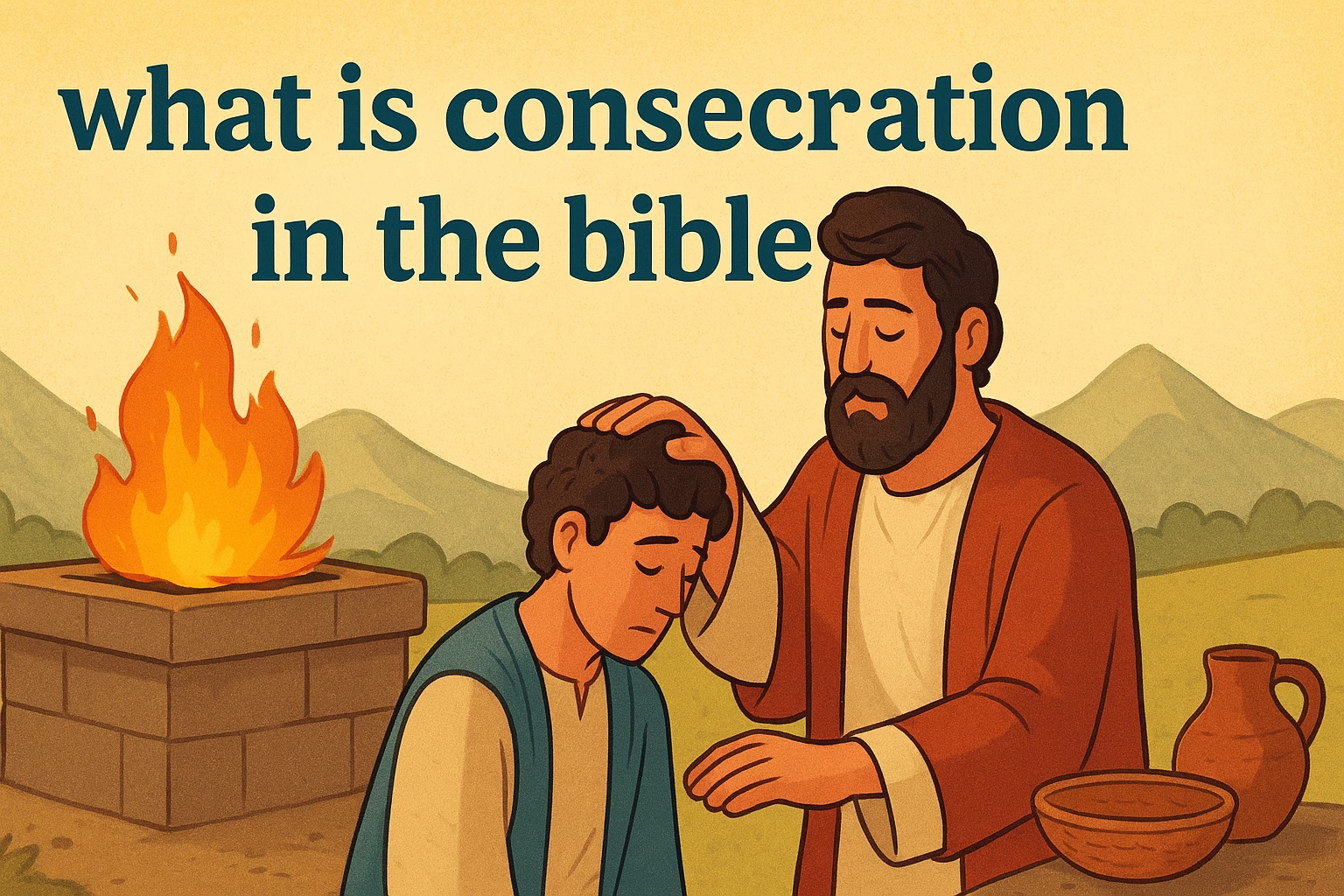
Consecration is a significant theme in the Bible that speaks to the idea of being set apart for a holy purpose. This concept is woven throughout Scripture, revealing how individuals, objects, and even places can be dedicated to God. Understanding consecration helps us grasp the depth of our relationship with the divine and the call to live in a way that honors our Creator.
In essence, consecration in the Bible refers to the act of dedicating something or someone to God, making it sacred and suitable for His service. This process often involves a commitment to holiness and separation from common or profane use. The Bible provides various examples and teachings that illustrate the meaning and practice of consecration.
Biblical Foundations of Consecration
The roots of consecration can be traced back to the Old Testament, where God established rituals and laws for His people. The word “consecrate” itself comes from the Hebrew word “qadash,” which means to be holy or to set apart. This concept is evident in the consecration of the priests, the tabernacle, and various offerings.
Consecration of the Priests
One of the most significant examples of consecration in the Old Testament is found in the book of Exodus. After God delivered the Israelites from slavery in Egypt, He instructed Moses to consecrate Aaron and his sons as priests. This process involved a detailed set of rituals, including washing, anointing with oil, and offering sacrifices (Exodus 29:1-9). The priests were set apart to serve in the tabernacle, representing the people before God.
The consecration of priests signifies the importance of having individuals dedicated to serving God and guiding others in worship. This act not only emphasized their role but also the holiness required to approach God. The idea of being set apart for divine service remains central to the concept of consecration.
Consecration of Objects and Places
Consecration also extends to objects and places within the biblical narrative. For example, the tabernacle itself was consecrated as a dwelling place for God’s presence among the Israelites. In Exodus 40:9-10, God commanded Moses to anoint the tabernacle and everything in it, declaring them holy. This act transformed ordinary materials into sacred items, used solely for worship and service to God.
Similarly, certain offerings were consecrated before being presented to God. In Leviticus 23:10, the Israelites were instructed to bring the first fruits of their harvest to the priest, who would present them before the Lord as a wave offering. This act of consecration acknowledged God’s provision and sovereignty over their lives.
Consecration in the New Testament
The New Testament continues the theme of consecration, particularly in the context of believers’ lives. Jesus emphasized the need for His followers to live set apart for God’s purposes. In John 17:17, Jesus prayed for His disciples, saying, “Make them holy by your truth; teach them your word, which is truth.” This prayer highlights the ongoing need for believers to be consecrated through the truth of God’s word.
Consecration as a Call to Holiness
In Romans 12:1, the Apostle Paul urges Christians to present their bodies as living sacrifices, holy and pleasing to God. This call to consecration signifies a life dedicated to God, marked by obedience and surrender. It reflects the understanding that followers of Christ are no longer their own; they have been bought with a price (1 Corinthians 6:19-20). This profound truth emphasizes that our lives should reflect the holiness of God.
Consecration and the Holy Spirit
Another important aspect of consecration in the New Testament is the role of the Holy Spirit. When a person comes to faith in Christ, they are indwelt by the Holy Spirit, marking a significant moment of consecration. In 1 Corinthians 3:16, Paul reminds believers that they are God’s temple and that the Spirit of God dwells in them. This truth underscores the sacredness of each believer’s life and the call to live in a manner worthy of that calling.
Practical Implications of Consecration
Understanding consecration is not just about grasping a biblical concept; it has practical implications for how we live our lives today. To be consecrated means to recognize that our lives are intended for God’s glory. This recognition can manifest in various ways:
- Daily Commitment: Consecration begins with a daily commitment to seek God, read His word, and align our lives with His purposes.
- Setting Boundaries: Just as the Israelites were instructed to be set apart, believers today are called to establish boundaries that reflect their commitment to God.
- Service to Others: Consecration involves serving others as an expression of our dedication to God. This could be through acts of kindness, sharing the gospel, or helping those in need.
- Prayer and Worship: Regular prayer and worship are vital components of a consecrated life. These practices help us remain focused on God and His will.
Consecration is a profound aspect of the Christian faith that invites us to live in a way that honors God. The biblical foundation of this concept helps us understand the significance of being set apart for His purposes, whether as individuals, objects, or communities of faith. As we explore this theme further, we will delve into additional aspects of consecration and its relevance in our lives today.
Theological Significance of Consecration
Consecration is not merely a ritualistic practice but a deeply theological concept that reflects God’s holiness and our response to it. In the Bible, the act of consecration serves as a reminder of the covenant relationship between God and His people. This relationship is defined by God’s holiness and our call to reflect that holiness in our lives.
Throughout Scripture, the act of being consecrated signifies a deep commitment to live according to God’s standards. It is an acknowledgment that we are called to be representatives of God’s character in a world that often stands in contrast to His nature. This theological underpinning reveals that consecration is fundamentally about transformation—being changed from the inside out to reflect God’s glory.
Consecration and the Covenant
The covenant relationship established in the Old Testament underscores the necessity of consecration. God consistently called His people to be holy, as He is holy (Leviticus 11:44). This call to holiness was not just for the priests or sacred objects but extended to all of Israel. In this context, consecration was a communal act that reinforced their identity as God’s chosen people.
In the New Testament, this covenant relationship is fulfilled in Christ, who makes it possible for all believers to be consecrated. Through His sacrifice, Jesus not only cleanses us from sin but also empowers us to live lives set apart for God’s purposes. This shift highlights that consecration is accessible to everyone, breaking down barriers that once separated individuals from God’s presence.
Consecration in Community
Consecration is not solely an individual endeavor; it also has communal implications. In the early church, believers were called to live in a way that reflected their consecrated status. Acts 2:42-47 describes how the early Christians devoted themselves to teaching, fellowship, breaking of bread, and prayer. Their communal life was a testament to their collective consecration to God.
This communal aspect of consecration invites believers to consider how they can encourage one another in their faith journeys. Being part of a church community means supporting each other in living set apart for God. This includes holding each other accountable, engaging in collective worship, and serving together in ministry. The New Testament emphasizes that each member of the body of Christ has a role to play, contributing to the overall mission of the church (1 Corinthians 12:12-27).
Consecration and Spiritual Growth
Engaging in the practice of consecration can lead to significant spiritual growth. As believers dedicate their lives to God, they often experience a deeper sense of purpose and fulfillment. This growth can manifest in various ways, including increased faith, a stronger prayer life, and a heightened awareness of God’s presence.
Moreover, the process of consecration involves surrendering personal desires and ambitions to God. This act of yielding can be challenging, but it is essential for spiritual maturity. As Paul wrote in Galatians 2:20, “I have been crucified with Christ and I no longer live, but Christ lives in me.” This transformation is at the heart of what it means to be consecrated—allowing Christ to be the center of our lives.
Consecration in Daily Life
Consecration should not be seen as a one-time event but as a continual process in the life of a believer. To live a consecrated life means integrating this commitment into every aspect of daily living. Here are some practical steps to foster a spirit of consecration:
- Intentional Choices: Make choices that reflect your commitment to God. This includes entertainment, relationships, and how you spend your time.
- Regular Reflection: Set aside time for self-examination and prayer. Reflect on areas of your life that may need to be dedicated anew to God.
- Acts of Service: Look for opportunities to serve in your community or church. Serving others is a tangible expression of your consecrated life.
- Study of Scripture: Engage with the Bible regularly. Understanding God’s word helps deepen your commitment to living a consecrated life.
Challenges to Consecration
Despite the clear call to consecration, believers often face challenges that hinder their commitment. The pressures of the world, distractions of modern life, and personal struggles can lead to a diluted sense of purpose. Recognizing these challenges is essential to overcoming them.
For instance, societal norms often promote values that conflict with biblical teachings. Believers must navigate these tensions while remaining true to their consecrated identity. Additionally, spiritual warfare can present obstacles, as the enemy seeks to undermine our commitment to God. Ephesians 6:12 reminds us that our struggle is not against flesh and blood but against spiritual forces. Understanding this can help believers remain steadfast in their consecration.
Conclusion: A Life of Consecration
Consecration is a vital aspect of the Christian faith, encompassing a commitment to live in a way that honors God. It reflects our understanding of His holiness and our response to His call. As we engage in the practice of consecration, we are invited into a deeper relationship with God, marked by transformation, community, and service.
Ultimately, to be consecrated is to embrace our identity as children of God, set apart for His purposes. This journey is one of continual growth, requiring intentionality and reliance on the Holy Spirit. As we seek to live consecrated lives, we not only honor God but also become vessels of His love and grace in a world that desperately needs it.
For further exploration of related topics, you may find these articles helpful: understanding the call to holiness and the role of community in spiritual growth.