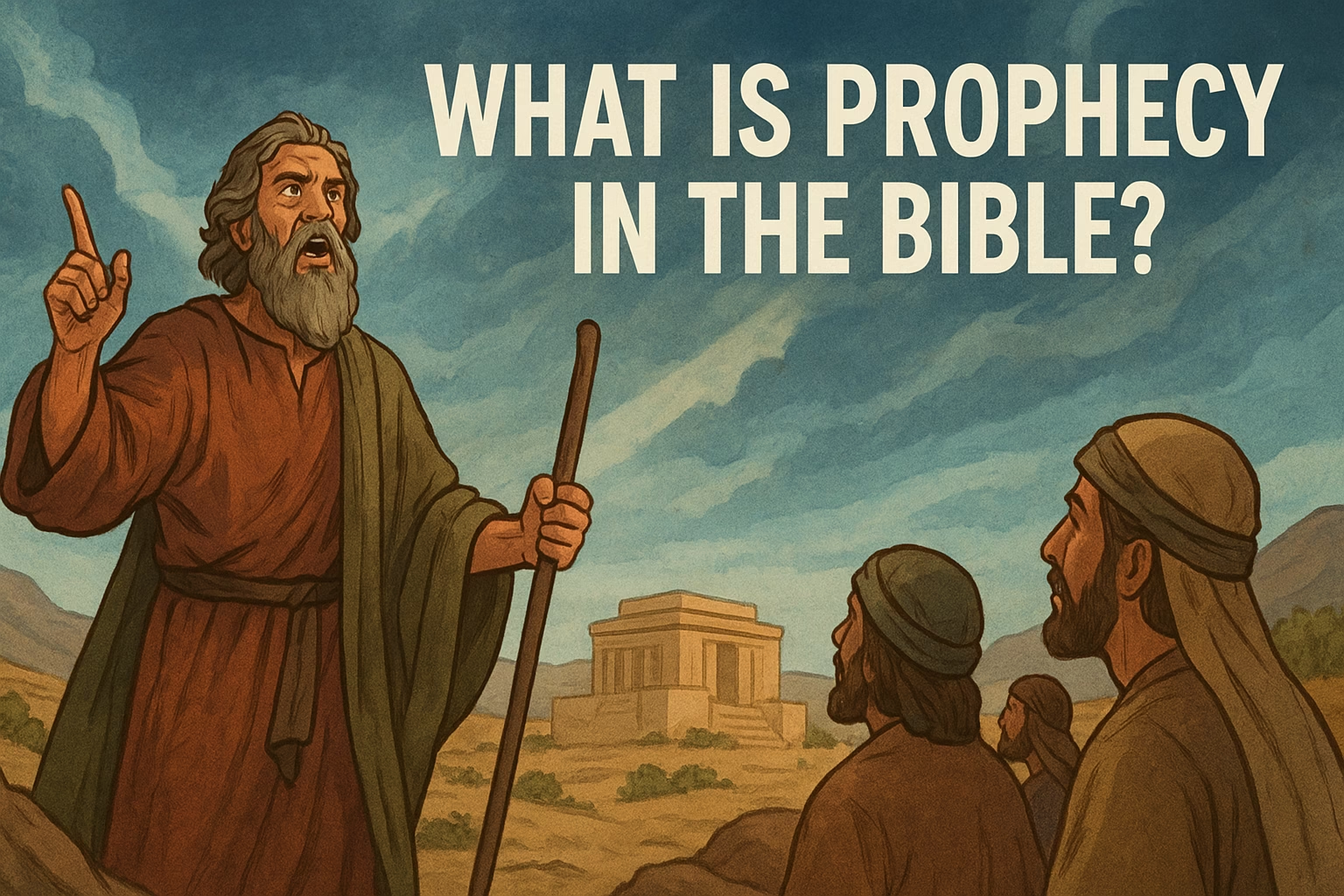

The age of Samuel at the time of his death is a question that has intrigued many Bible scholars and readers. Samuel is a significant figure in the Old Testament, known for his roles as a prophet, priest, and judge over Israel. His life and ministry are well-documented, but the exact age at which he died is not explicitly stated in the Scriptures. This article will explore the context of Samuel’s life, relevant passages, and interpretations to provide insights into this question.
While the Bible does not provide a specific age for Samuel at his death, we can gather information from various passages to make an educated inference about his age. Samuel is introduced in 1 Samuel 1 as a child dedicated to the Lord by his mother, Hannah. The timeline of his life, including his service to Israel, provides clues about his age when he died.
Samuel’s Early Life and Calling
Samuel’s story begins in 1 Samuel 1, where he is born to Hannah, who had been barren. After dedicating him to the Lord, he is raised in the temple under the priest Eli. The Bible does not give a specific age when Samuel begins to serve in the temple, but it is clear that he was quite young. In 1 Samuel 3, we see that he hears God’s voice calling him while he is still a boy. This encounter marks the beginning of his prophetic ministry, indicating that he was likely in his early teens at this point.
Samuel as a Judge and Prophet
As Samuel grows, he takes on significant roles in Israel. He becomes a judge, leading the people and guiding them back to God after periods of disobedience. In 1 Samuel 7:15-17, we read about his leadership during a time when the Philistines oppressed Israel. This leadership role would have required him to be an adult, suggesting that he was likely in his twenties or thirties during this period.
Samuel also anoints Saul as the first king of Israel in 1 Samuel 10, which marks a pivotal moment in Israel’s history. The anointing likely occurred when Samuel was a mature adult, which further places him in his thirties or forties during the early years of Saul’s reign. Samuel’s active ministry continues throughout Saul’s reign, and he has significant interactions with both Saul and David, the future king.
The Timeframe of Samuel’s Death
In 1 Samuel 25, we learn about the death of Samuel. The text notes that “Samuel died, and all Israel assembled and mourned for him.” While this passage tells us about his death, it does not provide his age. However, we can glean insights from the context of his life and the historical timeline of Israel.
To estimate Samuel’s age at death, we can consider the events surrounding his life. Samuel was active during the transition from the period of judges to the monarchy in Israel. Saul reigned for 40 years (as noted in Acts 13:21), and Samuel was instrumental in the early years of this transition. After Saul’s anointing, Samuel continued to serve as a prophet and leader, which suggests that he lived several years after Saul’s anointing.
Historical Context and Inferences
Some scholars suggest that Samuel may have died around the time of Saul’s later years as king, during a time of significant turmoil and conflict in Israel. Given that Samuel was already a mature adult when he anointed Saul, and considering the length of his ministry, it is plausible that he lived into his seventies or even eighties.
While there is no explicit biblical statement about Samuel’s age at death, the context of his life and ministry indicates that he was likely an elder statesman in Israel by the time he passed away. His extensive service and the deep respect he commanded from the people further suggest a long and impactful life.
Conclusion on Samuel’s Age
In summary, while the Bible does not give a specific age for Samuel at his death, we can infer based on his life events and the historical context that he was likely in his seventies or eighties. This estimation aligns with the understanding of his significant role as a leader and prophet during a transformative period in Israel’s history. As we continue to explore the life of Samuel, we can appreciate his contributions and the legacy he left behind for future generations.
The Impact of Samuel’s Leadership
Samuel’s leadership had far-reaching effects on Israel, shaping its spiritual and political landscape. As the last judge of Israel, he played a crucial role during a time of transition. His ability to navigate complex relationships with both the people and God illustrates his profound connection to divine guidance. Samuel’s insistence on the need for repentance and faithfulness to God led to significant spiritual revivals among the Israelites, particularly during his tenure in 1 Samuel 7. His leadership not only helped to unite the tribes of Israel but also established a precedent for future leaders.
Samuel’s Relationship with God
Samuel’s personal relationship with God is a central theme throughout his life. His early calling in the temple under Eli demonstrates his unique role as a prophet. In 1 Samuel 3, God calls him directly, indicating that Samuel would be a chosen vessel for conveying God’s messages. This intimate relationship with God laid the foundation for his prophetic ministry, allowing him to guide Israel through tumultuous times.
Moreover, Samuel’s willingness to listen and obey God’s voice is exemplified in his interactions with Saul. In 1 Samuel 15, God commands Samuel to deliver a message of judgment to Saul. Samuel’s obedience, even when it meant confronting the king, highlights his commitment to God’s will over personal relationships. This theme of faithful obedience is a vital lesson for believers, emphasizing the importance of prioritizing divine guidance in decision-making.
Legacy of Samuel’s Death
Samuel’s death marks a significant turning point in Israel’s history. His passing is recorded in 1 Samuel 25, where it states that all Israel mourned for him. This communal mourning reflects the depth of his influence and the void left in leadership. Following his death, the nation faced challenges that led to further instability, particularly during Saul’s later reign and the eventual rise of David.
The mourning of Samuel also signifies the end of an era. With his death, the direct prophetic voice that had guided Israel was silenced, which led to a period of spiritual decline. This change in leadership dynamics highlights the importance of having godly leaders who can direct and inspire the people toward righteousness. Samuel’s life and death serve as a reminder of the impact one individual can have on a nation.
Reflections on Leadership and Service
Samuel’s life invites reflection on what it means to be a leader in faith. His example teaches us that effective leadership is rooted in a close relationship with God and a commitment to serving others. As believers, we can learn from Samuel’s dedication to God’s calling, even when it is challenging. His ability to confront sin while also offering grace and guidance serves as a model for how we can engage with others in our communities.
Questions for Further Study
As we consider Samuel’s life and death, several questions arise that can deepen our understanding:
- What attributes made Samuel an effective leader, and how can we apply those in our own leadership roles today?
- How does Samuel’s relationship with God inform our understanding of prophetic ministry?
- In what ways can we honor the legacy of leaders like Samuel in our churches and communities?
These questions encourage us to engage with the text and reflect on our own lives in light of Samuel’s example. They also challenge us to think about our responsibilities as leaders and followers within our faith communities.
Conclusion: The Enduring Influence of Samuel
In conclusion, while the Bible does not provide a precise age for Samuel at the time of his death, we can infer that he likely lived into his seventies or eighties based on the context of his life and ministry. His leadership during a pivotal time in Israel’s history, coupled with his deep relationship with God, left an indelible mark on the nation. Samuel’s legacy is one of faithfulness, obedience, and the importance of godly leadership. As we reflect on his life, we are reminded of the significant impact that one individual can have in guiding a community toward spiritual renewal and obedience to God.
To further explore themes related to Samuel’s life and leadership, you can read about the importance of prophetic voices in today’s context and how they guide believers in their faith journey. For more insights, check out the role of prophets in the Bible and the significance of leadership in faith.