Rainbows are a beautiful and fascinating natural phenomenon that have captured the imagination of people throughout history. In the context of the Bible, rainbows hold significant meaning and are often associated with God’s promises and covenant with humanity. This article will explore what the Bible says about rainbows, their symbolism, and the context in which they appear in Scripture.
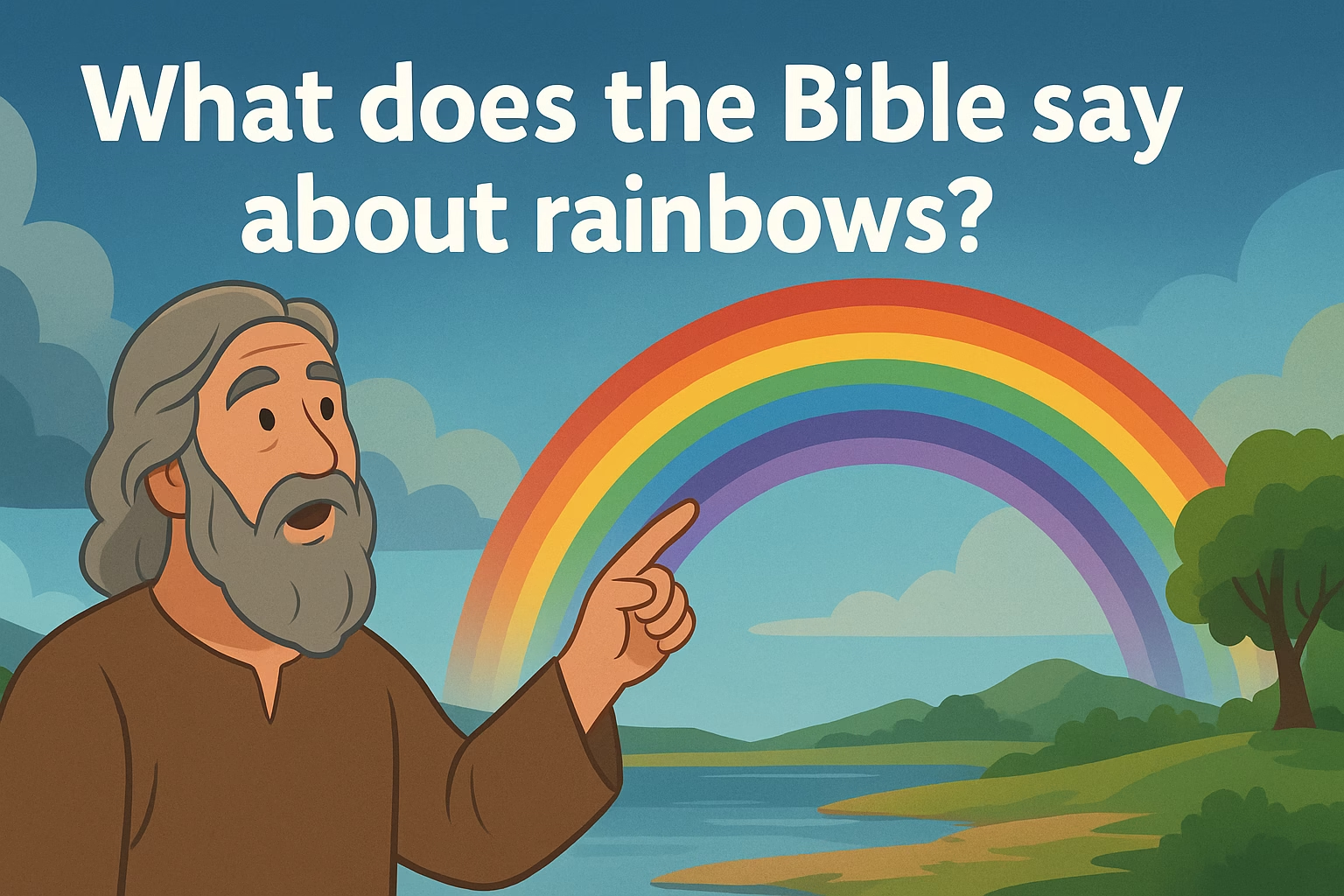
The most prominent reference to rainbows in the Bible is found in the story of Noah in the book of Genesis. After the great flood, God established a covenant with Noah and all living creatures, using the rainbow as a sign of that promise. This covenant signifies God’s commitment to never again destroy the earth with a flood. Understanding this context helps to appreciate the deeper spiritual significance of rainbows in the biblical narrative.
The Covenant with Noah
In Genesis 9:12-17, after the floodwaters receded, God spoke to Noah, saying:
“This is the sign of the covenant I am making between me and you and every living creature with you, a covenant for all generations to come: I have set my rainbow in the clouds, and it will be the sign of the covenant between me and the earth.” (Genesis 9:12-13, NLT)
Here, we see that the rainbow is not just a beautiful sight after rain; it is a divine promise. God uses the rainbow as a visible reminder of His covenant, assuring humanity that He will never again bring a flood to destroy the earth. This promise is significant because it highlights God’s mercy and faithfulness.
The Symbolism of the Rainbow
Beyond its immediate context, the rainbow symbolizes hope, renewal, and divine grace. After a storm, rainbows appear as a reminder that there is beauty and peace following turmoil. In the biblical context, this aligns with the idea of God’s grace following judgment. The flood was a severe judgment on humanity due to their wickedness, but the rainbow serves as a reminder that God also offers hope and a fresh start.
- Hope: The rainbow is a symbol of hope for better days ahead. It reassures us that God is in control and that He has a plan for creation.
- Grace: The rainbow signifies God’s grace, emphasizing that even after judgment, there is a way to redemption and restoration.
- Unity: The rainbow, with its many colors, represents the diversity of God’s creation and the unity that can be found in Him.
Rainbows in Other Biblical Contexts
While the covenant with Noah is the most direct reference to rainbows, they also appear in other biblical contexts, often symbolizing God’s glory and presence. In the book of Revelation, the imagery of a rainbow is used to describe the throne of God.
“And the one sitting on the throne was as brilliant as gemstones—like jasper and sardius. And the glow of an emerald circled his throne like a rainbow.” (Revelation 4:3, NLT)
This passage illustrates a connection between rainbows and God’s majesty. The rainbow encircling the throne of God signifies His eternal promises and the beauty of His creation. It serves as a reminder of His sovereign rule over all things, highlighting His glory and power.
Interpretation and Misinterpretation
Throughout history, rainbows have been interpreted in various ways. In the context of the biblical narrative, it is crucial to understand that the rainbow’s primary meaning is rooted in God’s covenant and promise. Some modern interpretations have attempted to redefine the symbolism of the rainbow, often detaching it from its biblical origins.
For Christians, it is important to recognize the original context of the rainbow as a divine sign. While rainbows can represent various meanings in contemporary culture, the biblical significance remains centered on God’s faithfulness and mercy. This understanding helps to ground the symbolism of the rainbow in a faith-based perspective rather than allowing it to be co-opted by differing ideologies.
Conclusion
In summary, the Bible speaks of rainbows as a significant symbol of God’s covenant with humanity, particularly in the story of Noah. They represent hope, grace, and the beauty of God’s promises. Additionally, rainbows serve as reminders of God’s glory and majesty as seen in the book of Revelation. Understanding the biblical context of rainbows enriches our appreciation for this natural wonder and its spiritual implications.
Theological Reflections on Rainbows
Rainbows in the Bible not only symbolize God’s promises but also invite deeper theological reflection. They remind believers of the nature of God as both just and merciful. The story of Noah and the flood illustrates that while God does judge sin, He also provides a path to redemption. The rainbow serves as a bridge between judgment and grace, highlighting the dual aspects of God’s character.
This duality raises important questions for believers: How do we understand God’s justice in light of His mercy? How do we reconcile the idea of divine judgment with the hope represented by the rainbow? These questions encourage a more profound exploration of faith and the nature of God’s relationships with humanity.
Rainbows and the Promise of Restoration
The appearance of a rainbow can also be seen as a metaphor for the restoration that God promises to His creation. After the flood, the world was not the same; it was renewed. Similarly, the New Testament speaks of a coming restoration when God will make all things new. This theme resonates with the rainbow’s symbolism. Just as the rainbow follows the storm, so too does God promise renewal after trials and tribulations.
In Romans 8:18-21, Paul discusses the hope of creation being liberated from its bondage to decay. This passage connects the temporary suffering of this world with the ultimate hope of restoration, much like the rainbow that appears after the rain. The promise of God is not just for individual salvation but extends to all of creation, offering a holistic view of His redemptive plan.
Rainbows in Cultural and Liturgical Contexts
Throughout history, rainbows have held various meanings in different cultures and religions. In Christianity, they are often celebrated in liturgical contexts, symbolizing hope and divine presence. During baptisms, for example, the rainbow can be invoked as a sign of God’s covenant with His people, reminding congregations of their identity as part of the new covenant through Christ.
Moreover, rainbows appear in Christian art and literature, often depicted in ways that emphasize their connection to God’s promises. Artists have used the rainbow to convey themes of hope, beauty, and divine grace, reinforcing the biblical narrative. When encountering a rainbow, Christians are encouraged to reflect on its significance and what it represents in their faith journey.
Personal Reflections and Community Practices
For many believers, rainbows can serve as personal reminders of God’s faithfulness in their lives. Some Christians keep a journal or create art inspired by the rainbow, using it as a symbol to reflect on their experiences of God’s grace and provision. Community practices, such as sharing testimonies of hope during church gatherings, can also center around the theme of the rainbow, fostering a spirit of encouragement and unity among believers.
These personal and communal reflections can lead to deeper connections with God and one another. They remind believers that, like the rainbow, they are part of a larger story of redemption and promise. This communal aspect of faith encourages believers to share their journeys and support one another, embodying the unity represented by the many colors of the rainbow.
Final Thoughts on the Significance of Rainbows
In conclusion, the Bible’s references to rainbows offer profound insights into God’s character, His promises, and the hope of restoration. As symbols of God’s covenant, rainbows remind us of His mercy and grace, even in the face of judgment. They invite us to reflect on our faith, challenge our understanding of God’s nature, and encourage us to live in hope and unity with one another.
As we observe rainbows in our daily lives, let us remember the divine promise they represent and the beauty that arises after life’s storms. By embracing the significance of rainbows, we can cultivate a deeper appreciation for God’s faithfulness and the hope that sustains us in our journey of faith.
To further explore themes of God’s promises, consider reading more about the significance of covenants in the Bible or how God’s grace is depicted throughout Scripture. For more insights, check out the importance of God’s covenants and God’s grace in the Bible.