
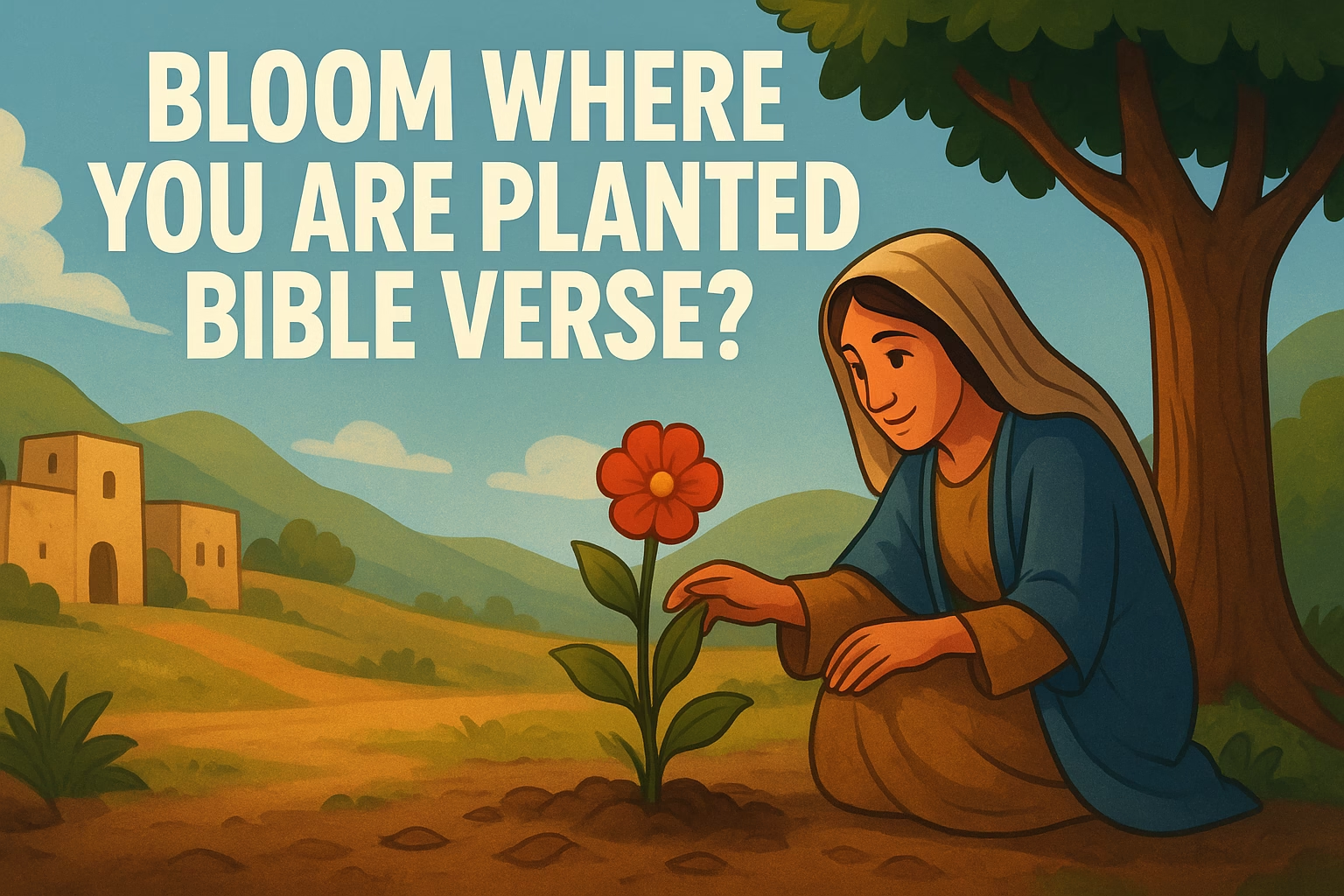
The phrase “bloom where you are planted” is often used to encourage individuals to thrive in their current circumstances, even if those circumstances are challenging or not ideal. While this specific phrase does not appear verbatim in the Bible, its essence can be found in various Scriptures that speak to the importance of making the most of one’s situation and trusting in God’s plan. In this article, we will explore biblical principles that align with the idea of blooming where you are planted, drawing from relevant passages and their contexts.
To understand the concept of blooming where you are planted, we can look at passages that emphasize growth, perseverance, and flourishing in difficult situations. A key verse that resonates with this theme is Jeremiah 29:7, where God instructs the exiled Israelites to seek the welfare of the city they are in, stating, “Pray to the Lord for it, for when it thrives, you too will thrive.” This verse highlights the importance of contributing positively to one’s environment and finding purpose even in exile.
Understanding the Context of Jeremiah 29:7
To fully appreciate the message of Jeremiah 29:7, we must examine its historical context. The Israelites had been taken captive by Babylon and found themselves in a foreign land. Instead of despairing or longing for their homeland, God urged them to settle down, build homes, and engage with their new community. This directive was not merely about survival; it was about thriving and making a difference despite their circumstances.
In this context, “blooming” refers to actively participating in their surroundings, seeking the well-being of those around them, and finding ways to contribute positively. This principle can be applied to our lives today, encouraging us to embrace our current situations, no matter how challenging they may be.
Embracing Your Current Season
Another relevant passage is Ecclesiastes 3:1, which states, “For everything there is a season, a time for every activity under heaven.” This verse reminds us that life is filled with different seasons, each with its own purpose. Rather than resisting our current season, we should embrace it and look for opportunities to grow and flourish.
When we accept our circumstances and seek to understand what God might be teaching us, we open ourselves up to new possibilities. This mindset allows us to bloom where we are planted, even in seasons of difficulty or uncertainty. It is a call to trust that God is working in our lives, even when we cannot see the full picture.
The Parable of the Mustard Seed
In the New Testament, Jesus shares the Parable of the Mustard Seed in Matthew 13:31-32. He describes how this tiny seed grows into a large tree where birds can nest. This parable illustrates how something small can grow into something significant. The mustard seed represents faith and potential. When we nurture our faith in our current situation, we can experience growth and impact that we might not have imagined.
Blooming where you are planted means recognizing the potential within you and the opportunities around you. Just as the mustard seed flourishes in the right conditions, we too can grow and thrive when we cultivate our faith and trust in God’s plan.
Trusting in God’s Plan
Proverbs 3:5-6 encourages us to “Trust in the Lord with all your heart and lean not on your own understanding; in all your ways submit to him, and he will make your paths straight.” This verse emphasizes the importance of placing our trust in God, especially when we feel lost or uncertain about our circumstances. When we bloom where we are planted, we are essentially surrendering our worries and doubts to God, believing that He has a purpose for us in our current situation.
Trusting God means looking for ways to serve others, grow in character, and deepen our relationship with Him. By doing so, we can find fulfillment and joy, even when life does not go as planned. God often uses our present circumstances to shape us for future opportunities and greater purposes.
Finding Joy in Service
Another way to bloom where you are planted is by serving others. Galatians 5:13 states, “Serve one another humbly in love.” When we focus on the needs of those around us, we shift our perspective from our challenges to our ability to make a difference in someone else’s life. This act of service can bring joy and fulfillment, allowing us to thrive in our current situation.
Additionally, serving others can lead to unexpected blessings. As we invest in our community and cultivate relationships, we may find that we are growing in ways we never anticipated. It’s in these moments of giving that we often discover our purpose and calling.
Conclusion of Part One
In summary, the concept of blooming where you are planted is deeply rooted in biblical principles. Through Scriptures like Jeremiah 29:7, Ecclesiastes 3:1, the Parable of the Mustard Seed, Proverbs 3:5-6, and Galatians 5:13, we see a clear message: embrace your current circumstances, trust in God’s plan, and actively seek ways to grow and serve. As we continue to explore this theme, we will delve deeper into practical steps and additional biblical insights that can help us flourish in any situation.
Practical Steps to Bloom Where You Are Planted
Understanding the biblical foundation for blooming where you are planted is essential, but applying it in everyday life requires practical steps. Here are some actions that can help you thrive in your current circumstances:
1. Cultivate a Grateful Heart
Gratitude is a powerful tool that can transform our perspective. Philippians 4:6-7 encourages us to present our requests to God with thanksgiving. When we focus on what we have rather than what we lack, we begin to see the blessings in our situation. Keeping a gratitude journal can help you recognize the positive aspects of your life, even in challenging times.
2. Engage in Community
Being part of a community can significantly impact our ability to bloom. Hebrews 10:24-25 reminds us to not give up meeting together, but to encourage one another. Surrounding ourselves with supportive friends and family can provide the encouragement we need to thrive. Look for opportunities to connect with others, whether through church, volunteer work, or local groups. Building relationships with those around you can lead to mutual growth and support.
3. Set Goals and Take Action
Setting realistic goals can give you a sense of direction and purpose. James 1:22 encourages us to be doers of the word, not just hearers. Identify areas in your life where you want to grow or make a difference. Break down your goals into actionable steps, and take consistent actions toward them. This proactive approach can help you feel more in control of your circumstances and can lead to significant personal growth.
4. Seek God’s Guidance
Regular prayer and Bible study can help you stay connected to God’s purpose for your life. Psalm 119:105 states that God’s word is a lamp to our feet and a light to our path. By seeking His guidance, you’ll be better equipped to navigate your current situation and find ways to flourish. Consider dedicating time each day to read Scripture, reflect on its meaning, and pray for wisdom and clarity.
5. Embrace Change and Adaptability
Life is full of changes, and being adaptable can help you bloom despite challenges. 2 Corinthians 5:17 reminds us that in Christ, we are a new creation, and we can embrace the new opportunities that come our way. When faced with unexpected situations, try to approach them with an open heart and a willingness to learn. Flexibility can lead to growth in ways you might not anticipate.
Reflections on Personal Growth
Blooming where you are planted is also about personal growth and transformation. Consider the following questions to reflect on your journey:
- What challenges am I currently facing, and how can I view them as opportunities for growth?
- In what ways can I serve those around me, and how might that enrich my life?
- How can I cultivate a mindset of gratitude in my daily routine?
- What specific goals can I set that align with my current circumstances?
- How can I be more open to change and adapt to new situations?
These questions can guide your reflections and help you identify practical steps to thrive in your current season. Remember, personal growth often occurs when we step outside our comfort zones and embrace the challenges life presents.
Scriptural Examples of Blooming in Adversity
The Bible is filled with examples of individuals who thrived despite their circumstances. Consider Joseph, who was sold into slavery by his brothers but rose to prominence in Egypt through his faithfulness and wisdom (Genesis 37-50). His ability to bloom in a foreign land not only preserved his family but also saved many from famine.
Another example is Paul, who wrote many of his letters while imprisoned. Philippians 4:11-13 reveals his contentment in every situation, emphasizing that he could do all things through Christ who strengthened him. Paul’s life exemplifies the essence of blooming where you are planted, as he continued to spread the Gospel and encourage believers despite his confinement.
Conclusion: Flourishing Amidst Trials
In conclusion, blooming where you are planted is a profound biblical principle that encourages us to thrive in our current circumstances. By cultivating gratitude, engaging with our community, setting actionable goals, seeking God’s guidance, and being adaptable, we can find ways to flourish even in difficult times. As we reflect on the examples of Joseph and Paul, we are reminded that our circumstances do not define our potential. Instead, it is our faith and willingness to grow that truly allow us to bloom. Embrace your current season, trust in God’s plan, and step into the opportunities that lie before you.
For further exploration of how to thrive in your circumstances, you can check out this insightful article and learn more about the biblical perspective on personal growth through adversity in this related post.