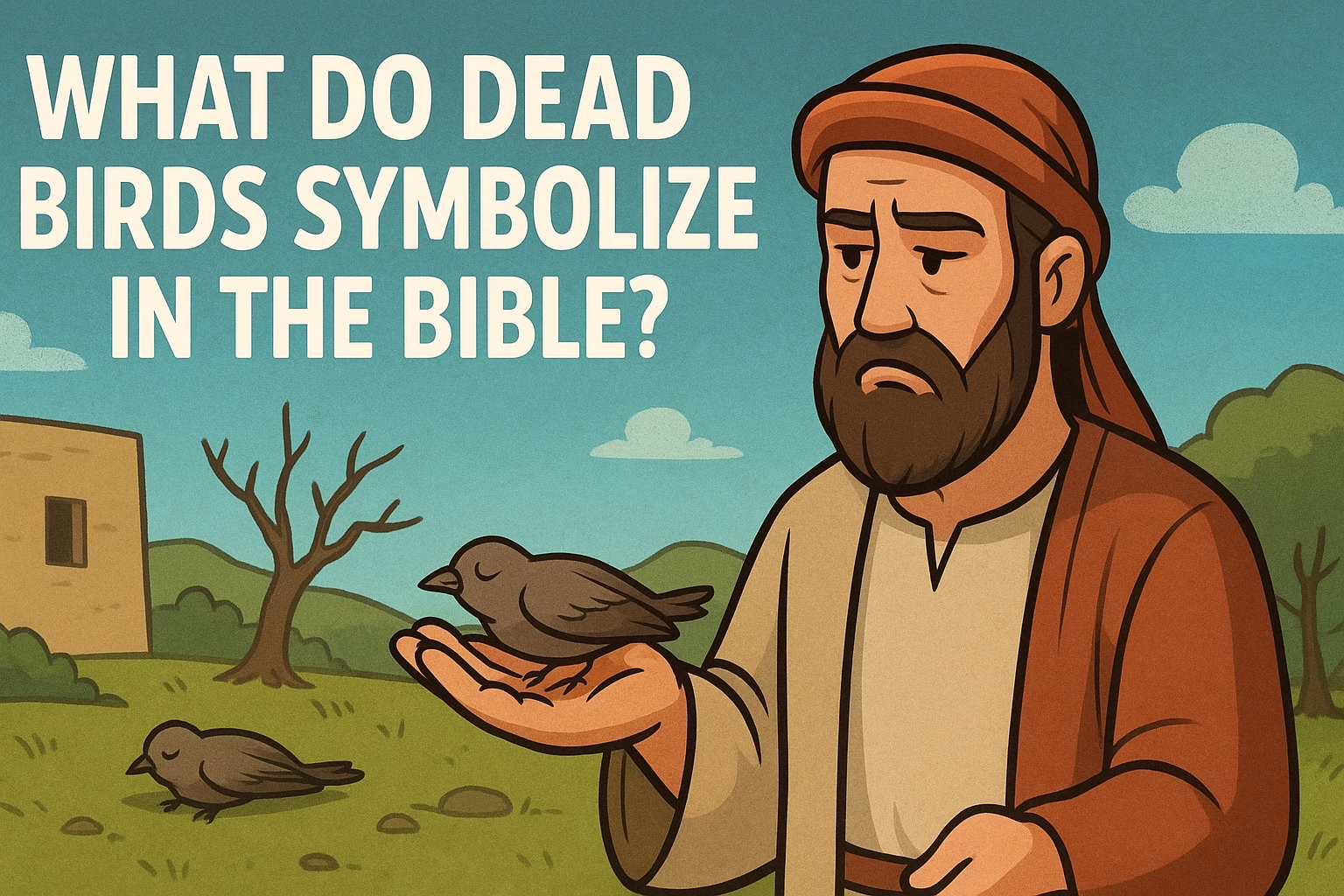
The symbolism of dead birds in the Bible can evoke a variety of interpretations, reflecting themes of loss, judgment, and spiritual significance. Birds are often used in Scripture to represent different aspects of life, from freedom and hope to death and despair. Understanding what dead birds symbolize requires examining biblical texts and their contexts, as well as cultural and historical perspectives.
In biblical literature, dead birds can signify the end of life, but they may also represent deeper spiritual meanings. The presence of dead birds can serve as a warning, a sign of judgment, or even an illustration of God’s sovereignty over creation. Let’s explore several key biblical references and their implications to better understand what dead birds symbolize.
Birds in the Bible: A General Overview
Birds are mentioned throughout the Bible, often symbolizing a range of ideas. They can represent God’s provision, as seen in Matthew 6:26, where Jesus points out that God feeds the birds of the air. Birds also symbolize the soul and the spirit in various passages. For instance, the dove, a bird often associated with peace and the Holy Spirit, is mentioned during Jesus’ baptism (Matthew 3:16).
However, when birds are found dead, they take on a different connotation. Their lifelessness can act as a metaphor for spiritual death, judgment, or calamity. To understand the symbolism of dead birds, we must examine specific biblical instances where dead birds are mentioned or implied.
Dead Birds and Judgment
One of the most notable references to dead birds in the Bible can be found in the context of God’s judgment. In the book of Jeremiah, God uses the imagery of dead birds to illustrate the consequences of disobedience and sin. Jeremiah 8:7 states, “Even the stork knows its season, and the dove, the swallow, and the thrush observe the time of their coming; but my people do not know the requirements of the Lord.” Here, the lack of understanding among God’s people is emphasized, contrasting the instinctual behavior of birds.
This passage suggests that when birds, which are typically seen as symbols of life and freedom, are found dead, it signifies a deeper spiritual decay among the people. The dead birds represent the consequences of ignoring God’s commands, highlighting the seriousness of turning away from divine guidance.
Dead Birds as Signs of Calamity
In other contexts, dead birds can symbolize impending calamity or disaster. For example, in the book of Ezekiel, the prophet conveys messages of judgment, including the destruction of Jerusalem. Ezekiel 39:4 mentions that birds of prey will feast on the bodies of the fallen, which indicates both a literal and a figurative death: “You will fall on the mountains of Israel, you and all your troops and the nations with you; I will give you as food to all kinds of carrion birds and to the wild animals.”
Here, the dead birds signify not just physical death but also the spiritual ramifications of turning away from God. The imagery serves as a powerful warning of the consequences of sin and rebellion against divine authority. The presence of dead birds in this context underscores the seriousness of God’s judgment and the need for repentance.
Symbolism of the Dead Bird in Sacrificial Contexts
Another significant aspect of dead birds in the Bible relates to sacrificial practices. In the Old Testament, certain birds, such as doves and pigeons, were used in sacrificial offerings. Leviticus 14 discusses the purification rituals for those who had been healed of leprosy, which included the sacrifice of two birds. One bird was to be killed, and the other was set free. This ritual symbolizes the cleansing of sin and restoration to community life.
In this sacrificial context, the dead bird represents the cost of atonement. Its death signifies the seriousness of sin and the need for a substitute to pay the price for wrongdoing. The symbolism serves as a reminder of the ultimate sacrifice of Jesus, who is often referred to as the Lamb of God, fulfilling the sacrificial system established in the Old Testament.
Spiritual Implications of Dead Birds
Beyond the literal interpretations, dead birds can also serve as a metaphor for spiritual death or a warning against complacency in faith. In Revelation, there are references to the consequences of turning away from God, and the imagery of dead birds can evoke a sense of urgency about spiritual vigilance. The warnings in the New Testament about spiritual lethargy and the call to remain watchful resonate with the symbolism of dead birds as reminders of the fragility of life and faith.
In this way, dead birds can symbolize the need for believers to remain in a state of spiritual alertness and connection with God. They remind us of the importance of nurturing our spiritual lives and avoiding the pitfalls of sin, which can lead to a state of spiritual death.
Dead Birds as Symbols of Transition and Change
In addition to representing judgment and calamity, dead birds can also symbolize transitions or significant changes in life. In the Bible, death often precedes new beginnings. For instance, Jesus speaks of the necessity of dying to oneself to bear fruit (John 12:24). This principle can be reflected in the imagery of dead birds, where their death might signify the end of one phase of life and the potential for new growth and transformation.
In this sense, the death of a bird can symbolize the need for believers to let go of old habits, sins, or ways of thinking that hinder spiritual growth. Just as a seed must die to produce new life, followers of Christ are called to surrender aspects of their lives that do not align with God’s will. This interpretation encourages believers to view dead birds not solely as symbols of despair, but as invitations to seek renewal and transformation through Christ.
Lessons from Nature: The Cycle of Life
The natural world offers profound lessons that can inform our understanding of dead birds. In the Bible, creation itself often serves as a teacher. The life cycle of birds, including their death, can remind us of the temporary nature of earthly existence. Ecclesiastes 3:1-2 highlights that there is a time for everything, including “a time to be born and a time to die.”
By observing the natural order, believers can find comfort in the fact that death is an inevitable part of life. The death of a bird may evoke feelings of sadness, but it also reminds us of the hope of resurrection and the promise of eternal life in Christ. This perspective encourages us to appreciate the beauty of life while recognizing that death can lead to new beginnings, both in nature and in our spiritual journeys.
Dead Birds and Spiritual Discernment
Another layer of understanding can be found in the concept of spiritual discernment. Dead birds can prompt reflection on our spiritual state and the health of our relationship with God. In the Gospels, Jesus often calls His followers to be discerning and aware of the signs of the times (Matthew 16:3). The presence of dead birds could serve as a metaphorical wake-up call, encouraging believers to evaluate their spiritual lives and consider areas that may be lifeless or stagnant.
This idea of discernment ties back to the importance of being attuned to God’s voice and guidance. Just as the instinctual behaviors of living birds remind us of God’s creation, the sight of dead birds can remind us to seek spiritual renewal and growth. It encourages believers to assess their priorities and align them with God’s purposes, fostering a deeper relationship with Him.
Reflection and Repentance
Ultimately, the symbolism of dead birds invites believers to engage in reflection and repentance. The imagery serves as a reminder of the consequences of sin and the need for a heart aligned with God. In the Old Testament, the sacrificial system underscored the seriousness of sin and the necessity of atonement. In the New Testament, believers are encouraged to confess their sins and seek forgiveness (1 John 1:9).
When faced with the symbolism of dead birds, Christians are called to examine their lives and consider whether there are areas that require repentance. This process of reflection can lead to spiritual renewal, fostering a deeper connection with God and a commitment to live according to His will. The call to repentance is not merely about feeling remorse but involves making a conscious choice to turn away from sin and toward a life that honors God.
Conclusion: Embracing the Symbolism of Dead Birds
The symbolism of dead birds in the Bible encompasses a range of meanings, from judgment and calamity to transformation and spiritual discernment. While they can evoke feelings of sorrow and loss, dead birds also serve as powerful reminders of the cycle of life, the need for vigilance in faith, and the opportunity for renewal through repentance. By reflecting on these symbols, believers can gain deeper insights into their spiritual journeys, encouraging them to seek a vibrant and active relationship with God.
As we navigate the complexities of life, let us embrace the lessons that the imagery of dead birds offers. May they serve as catalysts for reflection, growth, and a renewed commitment to live in accordance with God’s will.
For further exploration of related biblical themes, you may find these articles helpful: understanding biblical symbolism and the role of sacrifice in the Bible.