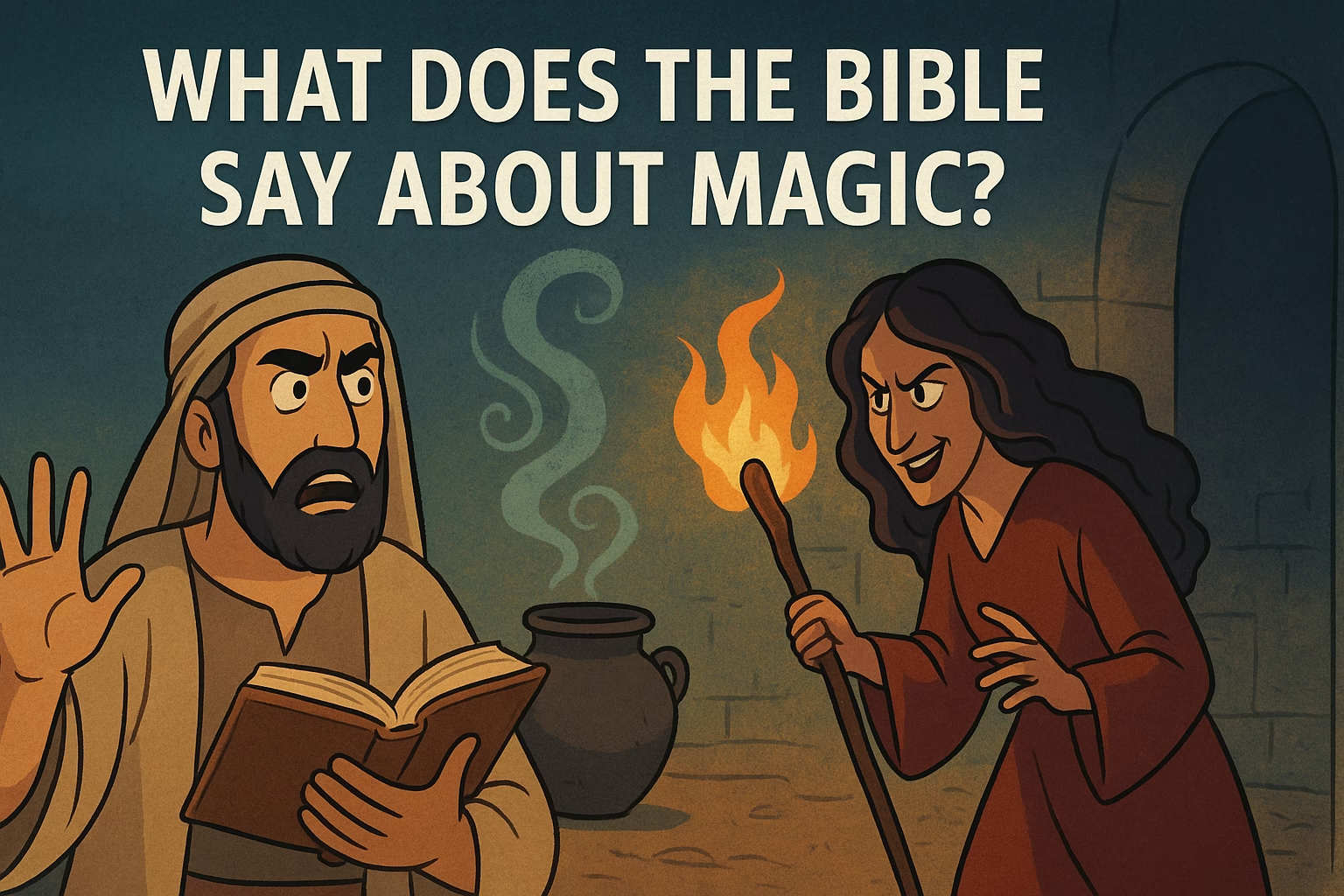
The topic of magic in the Bible is complex and often misunderstood. Many people have questions about what constitutes magic, how it is perceived in Scripture, and its implications for believers today. This article will explore various biblical passages and teachings related to magic, sorcery, and witchcraft, providing insight into their significance within the Christian faith.
The Bible contains several references to magic and sorcery, often condemning these practices as contrary to the teachings of God. These references can be found in both the Old and New Testaments, where magic is generally associated with idolatry, deception, and rebellion against God’s authority.
Old Testament Teachings on Magic
Prohibition of Sorcery and Witchcraft
In the Old Testament, God explicitly forbids practices related to magic and sorcery. For instance, in Deuteronomy 18:10-12, it states: “For example, never sacrifice your son or daughter as a burnt offering. And do not let your people practice fortune-telling or use sorcery or interpret omens or engage in witchcraft or cast spells or function as mediums or psychics or call forth the spirits of the dead. Anyone who does these things is detestable to the Lord.” This passage highlights that such practices are seen as abominations in the eyes of God.
Consequences of Engaging in Magic
Throughout the Old Testament, the consequences of engaging in magic and sorcery are severe. In Exodus 22:18, it states, “You must not allow a sorceress to live.” This emphasizes the seriousness with which these practices were viewed and the need for the community to remain pure from influences that could lead them away from God.
Examples of Magic in the Old Testament
Several notable examples of magic appear in the Old Testament. In 1 Samuel 28, King Saul consults a medium, seeking guidance from the deceased prophet Samuel. This act is depicted as a desperate attempt to gain insight, yet it leads to Saul’s further condemnation. The narrative illustrates the futility and danger of seeking guidance outside of God’s will.
New Testament Perspectives on Magic
Condemnation of Sorcery
The New Testament continues the theme of condemning magic and sorcery. In Galatians 5:19-21, the Apostle Paul lists sorcery among the works of the flesh, stating, “When you follow the desires of your sinful nature, the results are very clear: sexual immorality, impurity, lustful pleasures, idolatry, sorcery, hostility, quarreling, jealousy, outbursts of anger, selfish ambition, dissension, division, envy, drunkenness, wild parties, and other sins like these.” This categorization underscores the belief that magic is incompatible with a life led by the Spirit of God.
Simon the Sorcerer
In the book of Acts, we encounter a character named Simon the Sorcerer, who practiced magic in Samaria. In Acts 8:9-24, Simon astonished the people with his magic but later sought to buy the power of the Holy Spirit from the apostles. Peter rebukes him sharply, stating that his heart is not right with God and urging him to repent. This incident illustrates the dangers of misusing spiritual gifts and the futility of trying to manipulate divine power for personal gain.
The Nature of Magic and Its Impact
Understanding Magic in Biblical Context
It is important to differentiate between various types of magic mentioned in the Bible. The magic condemned in Scripture typically involves attempts to manipulate supernatural forces for personal gain, often in opposition to God’s authority. This includes practices like divination, necromancy, and sorcery, which are always portrayed negatively.
Magic vs. Miracles
In contrast to magic, the Bible speaks of miracles as acts of divine intervention performed by God or through His servants. Miracles are intended to reveal God’s power and glory, while magic seeks to exploit supernatural forces for selfish purposes. For example, the miracles performed by Jesus, such as healing the sick and raising the dead, were acts of compassion and authority, demonstrating God’s love and power.
Spiritual Warfare and the Believer’s Response
Believers are called to be vigilant against practices associated with magic. In Ephesians 6:12, Paul reminds us that “we are not fighting against flesh-and-blood enemies but against evil rulers and authorities of the unseen world.” This verse emphasizes the spiritual battle that believers face and the importance of relying on God’s strength rather than engaging in practices that could lead them away from Him.
As we consider the implications of magic in light of Scripture, it is evident that the Bible consistently warns against engaging in such practices. Understanding the biblical perspective on magic can help believers navigate the complexities of spiritual life while remaining anchored in their faith.
Magic in the Context of Idolatry
Magic in the Bible is often intertwined with idolatry. In many instances, the practice of magic is associated with the worship of false gods. For example, in Isaiah 2:6, the prophet laments that the people of Israel have turned away from God to follow the customs of other nations, including practices that involve magic. This connection highlights how magic is not merely a standalone practice but often a part of a broader rejection of God’s sovereignty.
The worship of idols can lead to the adoption of magical practices as individuals seek to control their lives and circumstances through means other than faith in God. The Old Testament consistently warns against such behavior, as seen in Jeremiah 27:9, which advises the people not to listen to diviners, interpreters of dreams, or sorcerers who promise them peace. This reflects the belief that reliance on magic can lead to spiritual deception, straying further from God’s truth.
Magic and the Holy Spirit
In the New Testament, the Holy Spirit plays a crucial role in guiding believers away from practices associated with magic. The transformative power of the Holy Spirit enables Christians to live in accordance with God’s will, rather than seeking supernatural assistance through illicit means. In 1 Corinthians 12:7-11, Paul discusses the gifts of the Spirit, which include wisdom, knowledge, and faith. These gifts are meant for the edification of the church and the glorification of God, contrasting sharply with the self-serving nature of magic.
This distinction emphasizes that while magic seeks to manipulate spiritual forces, the gifts of the Spirit operate through a relationship with God, leading to genuine faith and community building. Therefore, believers are encouraged to seek the Holy Spirit’s guidance rather than resorting to magic or sorcery.
Historical and Cultural Context of Magic
Understanding the cultural context of magic in biblical times provides further insight into its condemnation. In ancient Near Eastern cultures, magic was often a common practice, employed by individuals seeking power or control over their circumstances. The Bible’s strong opposition to magic can be seen as part of God’s broader call for His people to be distinct from surrounding nations. This call is evident in Leviticus 20:27, where it states that anyone who consults the dead or engages in witchcraft must be put to death, underscoring the seriousness of these practices in the eyes of God.
The Israelites were called to be a holy nation, set apart from the practices of their neighbors. Embracing magic would not only compromise their faith but also their identity as God’s chosen people. This historical context highlights the enduring relevance of these prohibitions, as modern believers are still called to remain distinct in their faith and practices.
Reflections on Modern-Day Practices
In contemporary society, the allure of magic and the supernatural continues to persist. Many people turn to practices like astrology, tarot card reading, and other forms of divination, often unaware of their biblical implications. The church today faces the challenge of addressing these interests while remaining rooted in Scripture. Believers are encouraged to examine their motivations and the potential consequences of engaging in such practices.
Moreover, it is essential for Christians to cultivate a deep relationship with God through prayer, Bible study, and fellowship. By doing so, they can find fulfillment and guidance without resorting to magical practices. This reliance on God not only strengthens their faith but also serves as a testimony to others who may be seeking spiritual answers.
Questions for Reflection
As we reflect on the biblical teachings concerning magic, several questions arise that can help guide personal examination:
- In what ways do I seek guidance or control over my life? Am I relying on God or looking for shortcuts?
- How does my understanding of the Holy Spirit influence my spiritual life and decisions?
- Are there practices in my life that may be influenced by a desire for magic or the supernatural?
- How can I better support others in my community who may be drawn to magic or similar practices?
Engaging with these questions can lead to a deeper understanding of one’s faith and a commitment to following God’s path, free from the temptations of magic.
Conclusion
The Bible’s stance on magic is clear: it is viewed as incompatible with a life devoted to God. Throughout Scripture, magic is associated with idolatry, deception, and a rejection of divine authority. Believers are called to seek God’s guidance through the Holy Spirit, fostering a relationship that empowers them to live according to His will. As Christians navigate the complexities of modern life, understanding the biblical perspective on magic can help them remain anchored in their faith and avoid the pitfalls of spiritual deception.
For further exploration of biblical themes, consider reading about witchcraft in the Bible and the nature of spirits.