
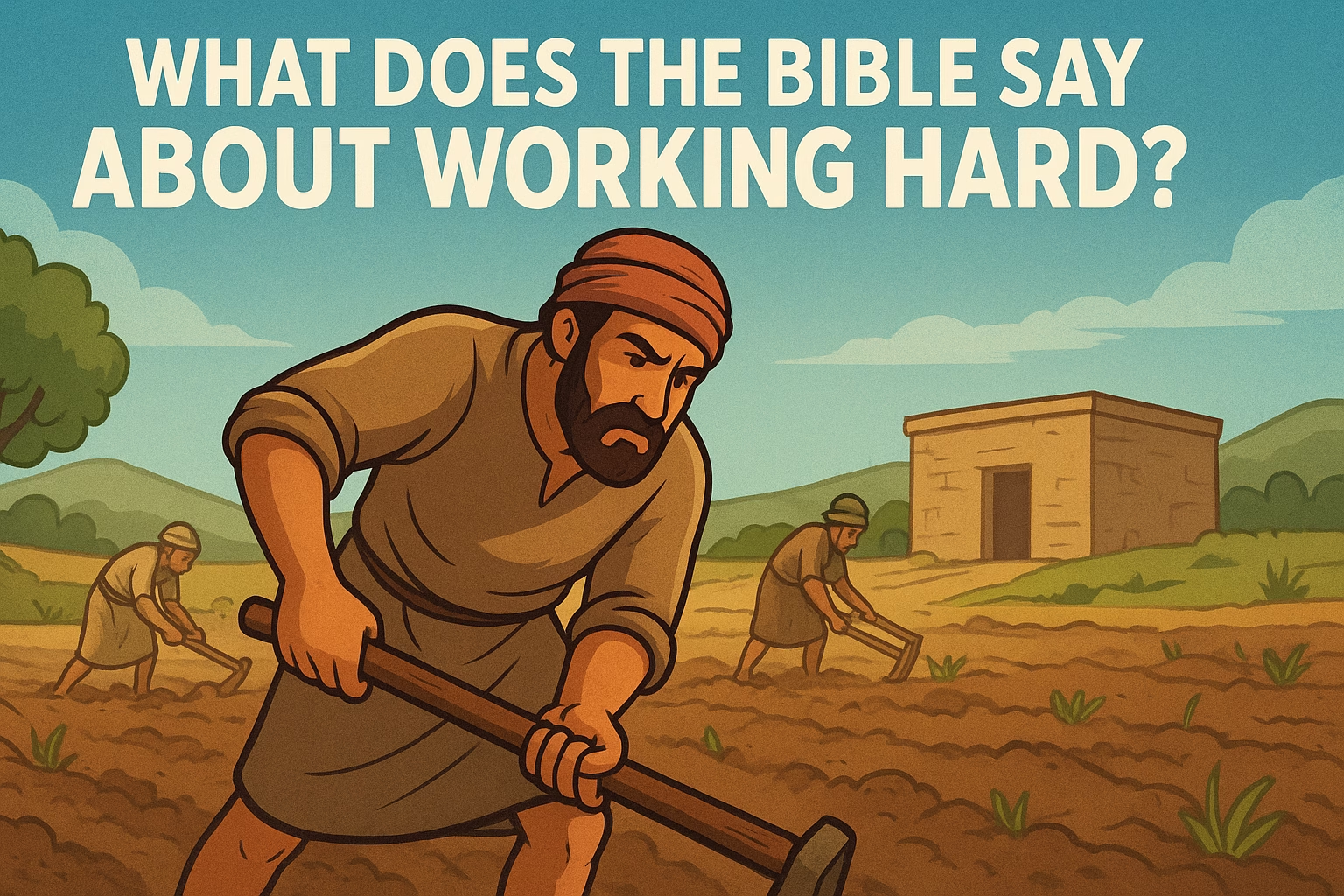
Many people wonder what the Bible has to say about the value of hard work. As a source of spiritual guidance, the Scriptures provide insights into the importance of diligence, perseverance, and the rewards that come from putting in effort. By examining various passages, we can better understand how the Bible encourages us to approach our work and the principles that underpin a strong work ethic.
At its core, the Bible emphasizes the significance of hard work. It teaches that diligence leads to success, while laziness can result in failure. This article will explore several key biblical passages that address the topic of hard work, providing context and understanding to help us grasp the scriptural perspective on this important aspect of life.
Work as a Divine Command
The Bible begins with the account of creation, where God Himself worked for six days to create the world. In Genesis 2:2-3, it is noted that God rested on the seventh day, establishing a rhythm of work and rest. This foundational narrative sets the stage for the understanding that work is a part of God’s design for humanity. Work is not merely a necessity; it is a divine command.
In Genesis 1:28, God commands humanity to “be fruitful and multiply, and fill the earth and subdue it.” This directive implies that human beings are to engage in productive labor, cultivating the earth and contributing to its flourishing. Work is portrayed as a means of fulfilling God’s purpose, and it is presented as inherently good.
The Value of Diligence
The Bible frequently contrasts diligence with laziness, illustrating the positive outcomes of hard work. Proverbs 10:4 states, “Lazy people are soon poor; hard workers get rich.” This verse highlights the connection between effort and success, reinforcing the idea that diligence in our endeavors can lead to prosperity.
Moreover, Proverbs 12:24 affirms this principle, saying, “Work hard and become a leader; be lazy and become a slave.” This passage emphasizes that hard work can lead to positions of influence and responsibility, while laziness can lead to a lack of freedom and opportunity.
Hard Work and Spiritual Growth
In addition to material success, the Bible also teaches that hard work can contribute to spiritual growth. Colossians 3:23-24 encourages believers to “work willingly at whatever you do, as though you were working for the Lord rather than for people.” This perspective transforms our understanding of work; it is not just about the task at hand but about serving God through our efforts.
When we approach our work with a mindset of service to God, we cultivate a deeper sense of purpose and fulfillment. This attitude can lead to spiritual growth as we learn to rely on God’s strength and guidance in our daily tasks. The Apostle Paul exemplifies this principle in his own life, working as a tentmaker while spreading the Gospel, demonstrating that hard work and ministry can go hand in hand.
The Importance of Perseverance
The Bible encourages perseverance in the face of challenges. Galatians 6:9 advises, “So let’s not get tired of doing what is good. At just the right time we will reap a harvest of blessing if we don’t give up.” This verse suggests that hard work may not always yield immediate results, but with persistence, we can eventually see the fruits of our labor.
James 1:12 adds to this idea, stating, “God blesses those who patiently endure testing and temptation.” The trials we face can strengthen our character and resolve, teaching us valuable lessons about dedication and hard work. In this way, the Bible portrays work not only as a means of achieving goals but also as an opportunity for personal and spiritual development.
Work and Community
The Bible also emphasizes the role of work in building and supporting community. In Ephesians 4:28, Paul urges believers to “use your hands for good hard work, and then give generously to others in need.” This passage illustrates that our hard work can benefit not only ourselves but also those around us. By working diligently, we can contribute to the well-being of our families, friends, and communities.
Furthermore, 1 Thessalonians 4:11-12 encourages believers to “make it your goal to live a quiet life, minding your own business and working with your hands, just as we instructed you before.” This call to work diligently serves to earn the respect of outsiders and provide for oneself, fostering a sense of responsibility within the community.
God’s Provision and Our Responsibility
While the Bible emphasizes hard work, it also teaches about reliance on God’s provision. Matthew 6:26 reminds us that God cares for the birds of the air, and we are of much greater value. This passage reassures us that while we are called to work hard, we should also trust in God’s ability to provide for our needs.
However, this does not negate our responsibility to put in effort. Proverbs 21:5 states, “Good planning and hard work lead to prosperity, but hasty shortcuts lead to poverty.” This verse highlights the balance between trusting God and taking personal responsibility. Hard work is necessary, but it is also important to seek God’s guidance and follow His will in our endeavors.
In summary, the Bible clearly affirms the value of hard work as a means of fulfilling God’s design, achieving personal and spiritual growth, and contributing to the community. Through diligence, perseverance, and a heart of service, we can align our work with God’s purposes and experience the blessings that come from it.
Work and Integrity
In addition to diligence and perseverance, the Bible emphasizes the importance of integrity in our work. Colossians 3:22 advises employees to obey their earthly masters in everything and to work not only when being watched, but with sincerity of heart, fearing the Lord. This highlights that true diligence is not just about completing tasks, but about doing them with honesty and a pure heart.
Proverbs 11:1 states, “The Lord detests dishonest scales, but accurate weights find favor with him.” This verse underscores that integrity in our work is essential. Whether in business or daily tasks, maintaining honesty builds trust and reflects God’s character. When we approach our work with integrity, we not only honor God but also contribute to a culture of trustworthiness and respect in our communities.
Work-Life Balance
The Bible also speaks to the importance of balance in our work and personal lives. While hard work is encouraged, it should not come at the expense of our health, relationships, or spiritual well-being. In Exodus 20:8-11, the commandment to observe the Sabbath emphasizes the need for rest. God established a rhythm of work and rest for a reason; it is a vital part of maintaining our physical and spiritual health.
Ecclesiastes 3:1 reminds us that there is a time for everything, including work and rest. Finding a balance allows us to recharge and refocus, ensuring that our work remains fruitful and aligned with God’s purposes. When we honor this balance, we can be more effective in our tasks and more present in our relationships with family and friends.
Work as Worship
Viewing work as an act of worship can transform our perspective on daily tasks. 1 Corinthians 10:31 teaches, “So whether you eat or drink or whatever you do, do it all for the glory of God.” This principle can be applied to every aspect of our work. When we approach our jobs, chores, and responsibilities with the mindset of glorifying God, we elevate our work beyond mere obligation to a sacred calling.
This mindset encourages us to pursue excellence and to serve others through our efforts. When we see our work as a way to honor God, it can infuse even the most mundane tasks with meaning and purpose. This perspective also encourages a spirit of humility and gratitude, as we recognize that our abilities and opportunities are gifts from God.
Hard Work and Its Eternal Impact
The Bible teaches that our work has eternal significance. In Matthew 6:19-21, Jesus instructs us not to store up treasures on earth, but to store up treasures in heaven. The work we do in service to God and others contributes to this eternal treasure. When we work hard with the intention of serving others and glorifying God, we participate in His kingdom work, which has lasting value.
Moreover, 1 Corinthians 15:58 encourages believers to “be steadfast, immovable, always abounding in the work of the Lord, knowing that in the Lord your labor is not in vain.” This assurance reminds us that our efforts, when aligned with God’s purposes, are meaningful and will bear fruit in ways we may not always see in the present.
Questions for Reflection
As we consider the biblical perspective on hard work, it is helpful to reflect on some meaningful questions:
- How can I integrate my faith into my work life?
- In what ways can I maintain integrity and honesty in my daily tasks?
- Am I finding a healthy balance between work and rest?
- How can I view my work as a form of worship?
- What steps can I take to ensure my labor contributes to God’s kingdom?
These questions can help guide our actions and attitudes as we seek to align our work with God’s will and purposes.
Conclusion: Embracing the Call to Work Hard
In conclusion, the Bible presents a comprehensive view of hard work as a vital aspect of life that intertwines with our spiritual journey. It emphasizes diligence, integrity, and the importance of viewing work as a means of serving God and others. By embracing the biblical principles of hard work, we can cultivate a fulfilling life that honors God and impacts our communities positively. As we labor with purpose and dedication, we participate in God’s divine plan, experiencing the blessings that flow from our efforts.
For further exploration of related topics, you may find it insightful to read about the consequences of laziness and how to navigate the balance of helping others.