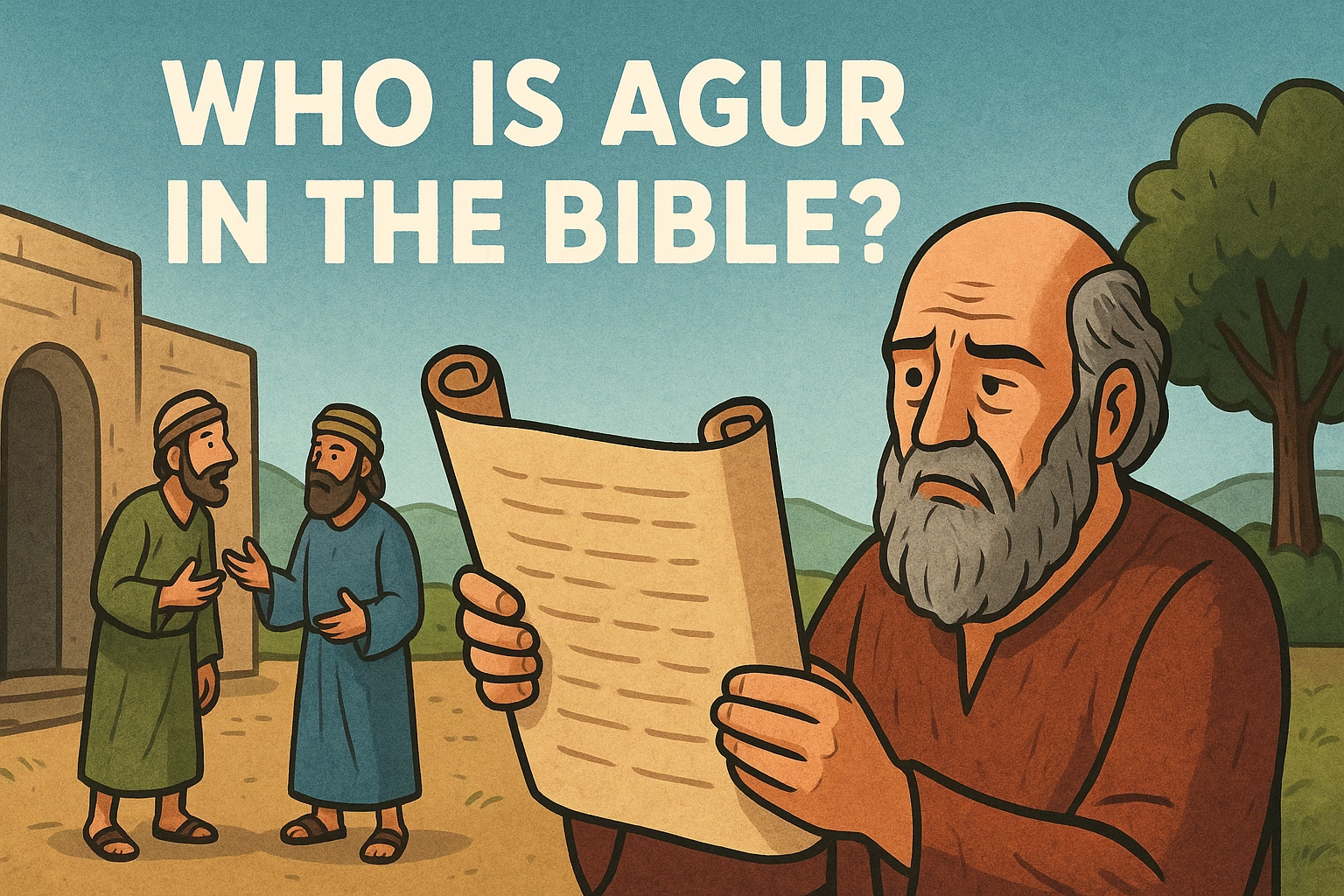
The figure of Agur in the Bible is somewhat enigmatic yet intriguing, as he is mentioned briefly in the Book of Proverbs. His identity and background are not extensively detailed, but his contributions to biblical wisdom literature offer valuable insights. This article will explore who Agur is, his significance, and the context of his writings in the Scriptures.
Agur is introduced in Proverbs 30, where he refers to himself as the son of Jakeh. The text does not provide much biographical information about him, which leads to various interpretations and discussions among scholars and theologians regarding his identity. Some believe that Agur may have been a wise man or sage, possibly a figure from a non-Israelite background, given the way he expresses his thoughts and the themes he discusses. However, there is little consensus on this point, and much of what we understand about him comes from the content of his proverbs rather than historical context.
Agur’s Wisdom in Proverbs 30
The primary passage that features Agur is Proverbs 30, which begins with the phrase, “The sayings of Agur son of Jakeh.” This introduction sets the tone for a collection of proverbs that emphasize humility, the pursuit of wisdom, and the acknowledgment of God’s sovereignty in creation. The chapter is structured around a series of observations and reflections that highlight the nature of life, knowledge, and the divine.
Humility and the Limitations of Human Understanding
One of the most striking aspects of Agur’s writing is his humble approach to knowledge. He begins by expressing his limitations, stating, “I am weary, O God; I am weary and worn out, O God.” (Proverbs 30:1, NLT). This admission sets the stage for his teachings, emphasizing the importance of recognizing our own limitations in the pursuit of wisdom.
Agur continues by declaring, “I have not mastered the heavenly bodies, or gone to school to learn wisdom.” This acknowledgment of his lack of formal education or understanding of the cosmos underscores a key biblical theme: true wisdom begins with the fear of the Lord. Agur’s humility serves as a reminder that wisdom is not solely derived from intellectual pursuits but from a relationship with God.
The Four Things That Are Never Satisfied
In Proverbs 30:15-16, Agur presents a vivid illustration of insatiability. He lists four things that are never satisfied: the grave, a barren womb, the earth that is never satisfied with water, and fire. These metaphors convey profound truths about human existence and the nature of desire. Each of these images reflects a deeper spiritual reality, pointing to the futility of seeking fulfillment outside of God’s design.
“There are three things that are never satisfied; no, four that never say, ‘Enough!’” (Proverbs 30:15, NLT).
By using these examples, Agur invites readers to reflect on their own lives and the endless pursuits that can lead to spiritual emptiness. His observations challenge us to consider what truly satisfies our souls and to seek fulfillment in a relationship with God rather than in worldly desires.
The Prayer of Agur
Another significant aspect of Agur’s wisdom is found in his prayer, which appears in Proverbs 30:7-9. He humbly requests two things from God: to keep falsehood and lies far from him, and to give him neither poverty nor riches. This prayer reflects Agur’s understanding of the dangers of both extremes. He recognizes that wealth can lead to pride and self-sufficiency, while poverty can result in desperation and dishonor.
Agur’s request for moderation is a powerful reminder of the balance that is often sought in the Christian life. He desires to live a life that honors God, free from the distractions and temptations that can arise from extremes. His prayer encapsulates the essence of a heart aligned with God’s will, seeking wisdom and integrity above all else.
The Importance of Truth
Agur’s emphasis on truth is also notable. In his prayer, he asks God to keep him from lying and falsehood. This highlights the significance of honesty and integrity in a believer’s life. In a world filled with deception, Agur’s plea serves as a reminder that truth is foundational to a life of wisdom.
Moreover, Agur’s request for truth underscores the biblical principle that God values honesty. Jesus Himself identified Himself as “the way, the truth, and the life” (John 14:6). Agur’s desire to be truthful aligns with the character of God, who cannot lie. This connection between Agur’s prayer and the nature of God reinforces the importance of seeking a life that reflects truthfulness and integrity.
Agur’s Place in the Wisdom Literature
Agur’s contributions to Proverbs place him within the broader context of biblical wisdom literature. He is one of several authors of Proverbs, a book traditionally attributed to King Solomon. However, Agur’s unique voice and perspective add depth to the collection. His proverbs resonate with themes of humility, the pursuit of wisdom, and the acknowledgment of God’s sovereignty.
While his identity remains somewhat obscure, Agur’s teachings reflect a timeless wisdom that continues to be relevant for believers today. His emphasis on humility, the dangers of excess, and the pursuit of truth are lessons that can guide individuals in their spiritual journeys.
In summary, Agur is a figure in the Book of Proverbs who embodies the pursuit of wisdom through humility and truth. His insights, though brief, provide valuable lessons that challenge readers to reflect on their own lives and their relationship with God.
Exploring Agur’s Insights on Creation
Agur also provides profound reflections on the wonders of creation and the majesty of God. In Proverbs 30:18-19, he speaks of four things that are too wonderful for him to understand: the way of an eagle in the sky, the way of a snake on a rock, the way of a ship on the high seas, and the way of a man with a young woman. These observations not only highlight the mysteries of life but also serve as a reminder of the complexity and beauty of God’s creation.
By contemplating these wonders, Agur invites readers to recognize their limitations in understanding the divine workings of the world. This acknowledgment of mystery encourages humility and reverence towards God, reinforcing the notion that there is much beyond human comprehension. It prompts believers to embrace the unknown and trust in God’s wisdom.
The Significance of Agur’s Reflections
Agur’s reflections on creation are significant for several reasons. First, they remind us of the awe that should accompany our understanding of the natural world. In a time when science and reason often overshadow spiritual reflection, Agur’s insights encourage believers to appreciate the divine hand behind creation. Second, his observations serve as metaphors for life’s complexities and relationships, urging us to approach them with humility and a sense of wonder.
In essence, Agur’s wisdom transcends mere observations; it challenges readers to find joy and meaning in the mysteries of life. His perspective encourages a balanced view of knowledge—one that values both intellectual pursuit and spiritual understanding.
Agur’s Legacy in Biblical Literature
While Agur’s presence in the Bible is limited to Proverbs 30, his legacy extends beyond his words. His teachings resonate throughout the biblical narrative, particularly within the context of wisdom literature. The themes of humility, the quest for truth, and the acknowledgment of God’s sovereignty echo throughout the Scriptures.
Agur’s emphasis on moderation and balance in life is particularly relevant in today’s fast-paced world, where extremes often dominate. His call for a life centered on God’s will encourages believers to pursue a lifestyle that reflects biblical values, resisting the temptations of excess and dishonesty.
Agur’s Influence on Later Wisdom Literature
Agur’s influence can also be seen in later works of wisdom literature, both in the Old and New Testaments. His focus on humility and the fear of God as foundational to wisdom resonates with the teachings of Jesus and the apostles. For instance, James 1:5 encourages believers to seek wisdom from God, much like Agur’s humble approach to knowledge and understanding.
Moreover, Agur’s prayer for moderation recalls the teachings of Paul in Philippians 4:11-13, where he speaks of learning to be content in any situation. This thematic continuity highlights the enduring relevance of Agur’s insights and their application in the lives of believers throughout history.
Questions for Reflection
Agur’s brief but impactful presence in the Scriptures raises several questions for personal reflection and study:
- How do you approach the pursuit of wisdom in your life? Are you open to acknowledging your limitations?
- In what ways can you seek balance in your life, avoiding the extremes of wealth and poverty?
- How do you cultivate a sense of awe and reverence for God’s creation in your daily life?
- What steps can you take to prioritize truth and integrity in your relationships and interactions?
These questions encourage deeper contemplation of Agur’s teachings and their relevance in our lives today. By reflecting on these themes, believers can grow in their understanding of wisdom and their relationship with God.
Conclusion: The Enduring Wisdom of Agur
In conclusion, Agur’s contributions to the Book of Proverbs remind us of the importance of humility, the pursuit of truth, and the acknowledgment of God’s sovereignty in our lives. His unique voice adds depth to the wisdom literature of the Bible, providing insights that challenge us to reflect on our own understanding and relationship with the divine.
Agur’s teachings continue to resonate today, inviting believers to seek a balanced and humble approach to life. In a world filled with distractions and competing desires, his wisdom serves as a guiding light, encouraging us to prioritize our relationship with God above all else.
The exploration of Agur’s life and teachings offers valuable lessons for anyone seeking to deepen their faith and understanding of biblical wisdom. For further study, consider exploring related biblical themes or figures that continue to shape our understanding of wisdom and truth in the Scriptures. For more insights, check out insights on biblical wisdom and the role of humility in faith.