Understanding the term “contrite” in the Bible is essential for grasping the nature of repentance and humility before God. The concept of being contrite relates to recognizing one’s sinfulness and feeling genuine sorrow for it, which is a significant theme throughout Scripture. This article will explore what it means to be contrite in a biblical context, examining relevant passages and their implications for believers.
In the Bible, “contrite” generally refers to a deep sense of remorse and regret for one’s sins, accompanied by a desire for forgiveness. The term often describes a heart that is broken and humbled before God, acknowledging its failures and seeking restoration. This condition is highlighted in several passages, particularly in the context of repentance and divine mercy.
The Biblical Definition of Contrition
The word “contrite” comes from the Hebrew word “daka,” which means to be crushed or broken. In the Old Testament, being contrite is closely associated with humility and a recognition of one’s need for God’s grace. A key verse that illustrates this is Psalm 51:17, where David writes, “The sacrifice you desire is a broken spirit. You will not reject a broken and repentant heart, O God.” This verse emphasizes that God values a heart that recognizes its own brokenness and seeks His forgiveness.
Contrition in the Old Testament
Throughout the Old Testament, contrition is often linked to repentance. For instance, in Isaiah 57:15, the Lord declares, “I live in the high and holy place, but I also live with the one who is contrite and lowly in spirit, to revive the spirit of the lowly and to revive the heart of the contrite.” This passage illustrates that God is near to those who are humble and remorseful, offering them revival and hope.
Another significant passage is found in Ezekiel 18:30, where God calls His people to repentance: “Therefore, you Israelites, I will judge each of you according to your own ways, declares the Sovereign Lord. Repent! Turn away from all your offenses so sin will not be your downfall.” Here, the call to repentance is underscored by the need for a contrite heart that desires to turn away from sin.
Contrition in the New Testament
In the New Testament, the concept of contrition continues to be significant. Jesus often spoke of the importance of a humble and repentant heart. In Matthew 5:3, He states, “Blessed are the poor in spirit, for theirs is the kingdom of heaven.” This beatitude highlights the blessedness of those who recognize their spiritual poverty and need for God, reflecting a contrite spirit.
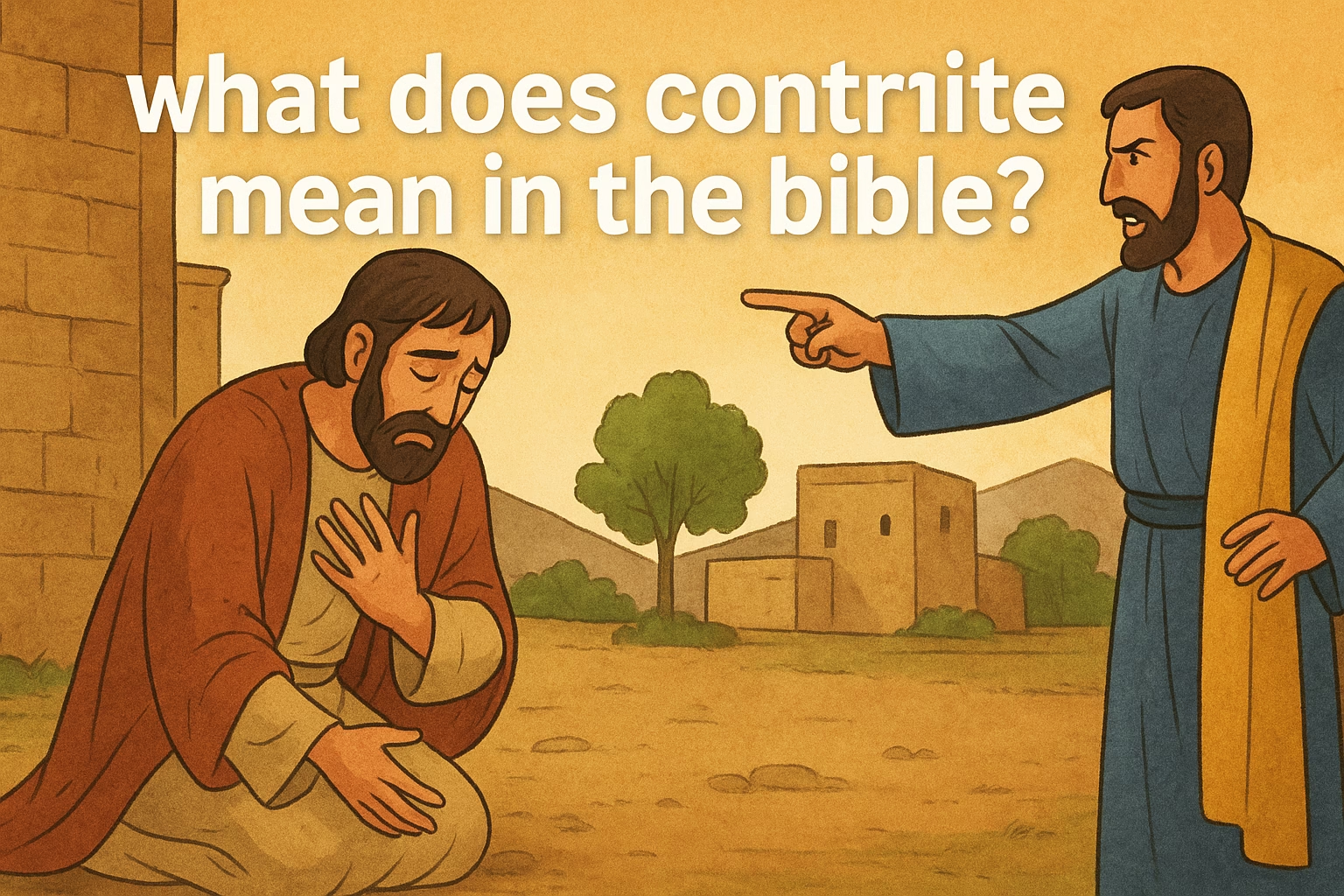
Additionally, in Luke 18:13, Jesus tells the parable of the Pharisee and the tax collector. The tax collector, standing at a distance, would not even look up to heaven but beat his breast and said, “God, have mercy on me, a sinner.” Jesus concludes that this man, rather than the Pharisee, went home justified before God. This story powerfully illustrates the essence of contrition—acknowledging one’s sinfulness and pleading for God’s mercy.
The Role of Contrition in Repentance
Contrition plays a vital role in the process of repentance. It is the first step toward genuine repentance, which involves not only feeling sorrow for sin but also turning away from it and seeking to live in accordance with God’s will. 2 Corinthians 7:10 states, “For the kind of sorrow God wants us to experience leads us away from sin and results in salvation. There’s no regret for that kind of sorrow.” This passage emphasizes that godly sorrow—contrition—produces a change of heart and behavior.
Moreover, true contrition leads to a desire for reconciliation with God. In James 4:8-10, the author encourages believers to “come close to God, and God will come close to you. Wash your hands, you sinners; purify your hearts, for your loyalty is divided
Contrition and Forgiveness
Understanding the relationship between contrition and forgiveness is crucial in the biblical narrative. The Bible consistently emphasizes that God is eager to forgive those who come to Him with a contrite heart. In Psalm 34:18, it is stated, “The Lord is close to the brokenhearted and saves those who are crushed in spirit.” This verse reassures believers that God’s compassion is particularly directed toward those who genuinely recognize their need for His grace.
Furthermore, in the New Testament, the theme of forgiveness is echoed in the parable of the Prodigal Son (Luke 15:11-32). The son, after squandering his inheritance, returns home in a state of contrition, saying to his father, “I have sinned against heaven and against you.” His heartfelt return and recognition of wrongdoing prompt a joyful reunion, demonstrating how contrition opens the door to forgiveness and restoration in relationships.
Contrition in Personal Spiritual Growth
Contrition is not just a one-time event but a continual part of the believer’s spiritual journey. It fosters humility and dependence on God, which are essential for personal growth in faith. 1 John 1:9 encourages believers, saying, “If we confess our sins, he is faithful and just and will forgive us our sins and purify us from all unrighteousness.” This ongoing act of confessing and acknowledging sin is rooted in a contrite spirit, allowing believers to grow closer to God and experience His transformative power.
Moreover, maintaining a contrite heart helps guard against complacency in faith. It reminds believers of their need for God’s grace in every aspect of life. As Paul writes in Romans 12:2, believers are called to “not conform to the pattern of this world, but be transformed by the renewing of your mind.” A contrite heart is receptive to this transformation, fostering an attitude of repentance and a desire to align one’s life with God’s will.
The Community Aspect of Contrition
Contrition also has communal implications within the body of Christ. When individuals in a church community exhibit contrition, it can lead to a culture of grace and accountability. James 5:16 advises believers to “confess your sins to each other and pray for each other so that you may be healed.” This practice encourages transparency and support among believers, fostering an environment where contrition is met with love and forgiveness.
Additionally, when a community collectively acknowledges its shortcomings before God, it can lead to revival. In 2 Chronicles 7:14, God promises, “If my people, who are called by my name, will humble themselves and pray and seek my face and turn from their wicked ways, then I will hear from heaven and will forgive their sin and will heal their land.” This verse emphasizes the power of collective contrition in seeking God’s mercy and healing.
Contrition and Spiritual Warfare
In spiritual warfare, a contrite heart can serve as a powerful weapon against the enemy’s schemes. The enemy seeks to instill pride and self-sufficiency, which can lead to spiritual blindness. However, as believers cultivate a contrite spirit, they remain vigilant and aware of their weaknesses, allowing them to rely on God’s strength. Ephesians 6:10 reminds believers to “be strong in the Lord and in his mighty power.” Recognizing their need for God’s power helps believers stand firm against temptation and deception.
Follow-Up Questions for Reflection
As we explore the meaning of contrition in the Bible, it is important to reflect on its implications for our lives. Here are some questions to consider:
- How can I cultivate a more contrite heart in my daily life?
- Are there specific sins I need to acknowledge and confess to God?
- In what ways can I promote an environment of contrition and forgiveness within my church community?
- How does understanding my need for God’s grace change my perspective on my spiritual journey?
Conclusion: Embracing Contrition as a Pathway to Grace
In conclusion, the biblical concept of contrition is a vital part of the believer’s relationship with God. It involves recognizing one’s sinfulness, feeling genuine sorrow for it, and seeking forgiveness. This humble attitude not only leads to personal healing and restoration but also fosters a community of grace among believers. As Christians embrace contrition, they open themselves to God’s transformative power and deepen their faith. By continually cultivating a contrite spirit, believers can walk in the fullness of God’s grace, experiencing His mercy and love in profound ways.
For further exploration of related themes, you can read about the Bible’s teachings on repentance and the importance of forgiving others as they connect closely with the idea of contrition.