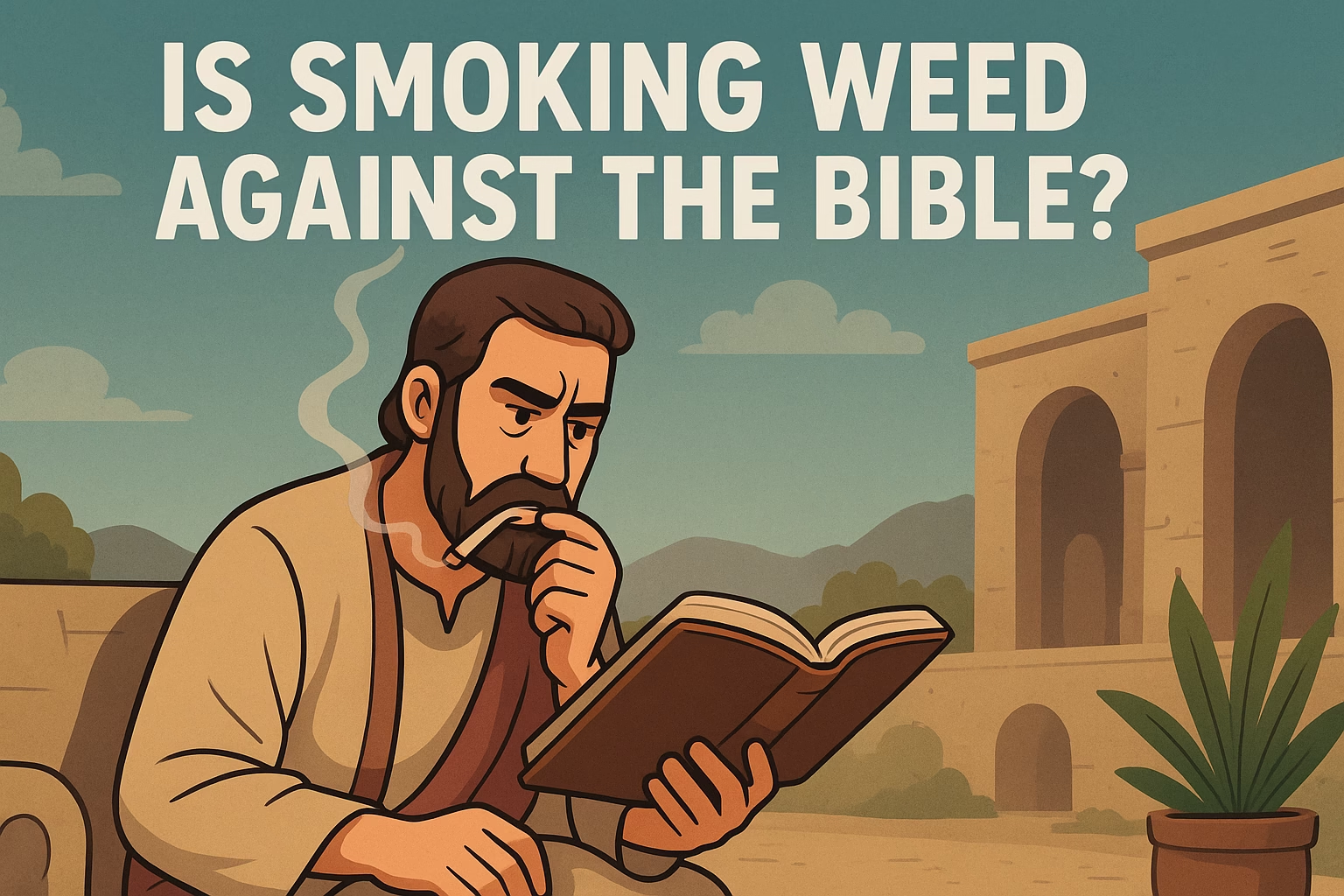
The question of whether smoking weed is against the Bible is one that many Christians grapple with today. As marijuana becomes more widely accepted and legalized in various parts of the world, its use raises significant moral and spiritual considerations. This article will explore biblical principles, relevant passages, and the context surrounding the use of substances like marijuana to determine if smoking weed aligns with Christian teachings.
While the Bible does not explicitly mention marijuana or cannabis, it does provide guidance on how we should treat our bodies and what constitutes wise living. The answer to whether smoking weed is against the Bible can be nuanced, involving an examination of Scripture, the intent behind its use, and the potential effects on oneself and others.
Scriptural Guidance on Substance Use
Body as a Temple
One of the key biblical principles regarding substance use is found in 1 Corinthians 6:19-20, where Paul writes, “Don’t you realize that your body is the temple of the Holy Spirit, who lives in you and was given to you by God? You do not belong to yourself, for God bought you with a high price. So you must honor God with your body.” This passage emphasizes the importance of treating our bodies with respect and care.
In this context, smoking weed may raise questions about whether it honors God. If marijuana is used in a way that harms the body or impairs judgment, it could be argued that it contradicts the call to honor God with our bodies. However, this interpretation can depend on the amount consumed and the effects it has on the individual.
Wisdom and Self-Control
The Bible frequently emphasizes the importance of wisdom and self-control. Proverbs 20:1 states, “Wine produces mockers; alcohol leads to brawls. Those led astray by drink cannot be wise.” While this verse specifically refers to alcohol, the underlying principle applies to all substances that can alter our state of mind.
In Galatians 5:22-23, the fruit of the Spirit includes self-control. If smoking weed leads to a loss of self-control or poor decision-making, then it may be seen as contrary to the teachings of Scripture. Christians are encouraged to seek wisdom and discernment in their choices, ensuring that their actions reflect their faith.
Intent and Impact of Use
Medicinal vs. Recreational Use
Another important consideration is the intent behind using marijuana. In some jurisdictions, marijuana is used for medicinal purposes, such as alleviating chronic pain or reducing anxiety. In these cases, one might argue that smoking weed serves a beneficial purpose and aligns with the biblical principle of caring for one’s health.
However, recreational use, particularly when used to escape reality or for social pressure, may raise ethical concerns. The Bible teaches that we should not be enslaved by anything (1 Corinthians 6:12), and if smoking weed becomes a dependency or leads to irresponsible behavior, it could be seen as contrary to Christian values.
Effects on Relationships
Another aspect to consider is how smoking weed affects relationships with others. Ephesians 5:18 warns against drunkenness, stating, “Don’t be drunk with wine, because that will ruin your life. Instead, be filled with the Holy Spirit.” While this verse addresses alcohol, the principle of being mindful of our actions and their impact on others applies to marijuana as well.
If smoking weed negatively affects one’s relationships, whether through impaired judgment or altered behavior, it raises the question of whether it is a loving and responsible choice. Christians are called to love their neighbors and consider how their actions may influence those around them.
Legal and Cultural Considerations
Obeying the Law
The Bible encourages believers to obey the laws of the land, as stated in Romans 13:1, “Everyone must submit to governing authorities. For all authority comes from God, and those in positions of authority have been placed there by God.” If marijuana is illegal in a particular area, using it could be seen as disobedience to God’s ordained authority.
Conversely, in places where marijuana is legal, the moral implications may shift. The key is to ensure that the use of marijuana does not lead to behaviors that contradict Christian values or harm oneself or others.
Cultural Influence and Personal Conviction
Finally, cultural attitudes towards marijuana can significantly influence personal convictions. As society increasingly accepts marijuana use, Christians must critically evaluate whether their choices align with their faith. Romans 14:5 encourages believers to be fully convinced in their own minds about their actions. This means that personal conviction plays a vital role in determining whether smoking weed is appropriate for an individual believer.
In summary, while the Bible does not directly address smoking weed, it does provide principles that guide Christians in making informed decisions about its use. The context and intent behind smoking marijuana, as well as its effects on oneself and others, are crucial in determining whether it aligns with biblical teachings.
Exploring Biblical Principles of Sobriety
In addition to the previous discussions, it is essential to delve deeper into the biblical concept of sobriety. Scriptures repeatedly emphasize the importance of maintaining a clear mind and being vigilant. 1 Peter 5:8 advises believers to “Stay alert! Watch out for your great enemy, the devil. He prowls around like a roaring lion, looking for someone to devour.” Maintaining sobriety is critical for spiritual vigilance and discernment. If smoking weed impairs one’s ability to stay alert spiritually, it could be viewed as contrary to biblical teachings.
Spiritual Discernment
The Bible encourages believers to seek discernment and wisdom in all aspects of life. Proverbs 3:5-6 instructs followers to “Trust in the Lord with all your heart and lean not on your own understanding; in all your ways acknowledge Him, and He will make your paths straight.” This call to trust in God rather than relying solely on personal judgment can apply to decisions about substance use, including marijuana. If a believer feels unsure about the impact of smoking weed on their spiritual journey, it may be wise to reconsider its use.
The Role of Community and Accountability
Another important aspect to consider is the role of community and accountability within the Christian faith. Hebrews 10:24-25 encourages believers to “consider how we may spur one another on toward love and good deeds, not giving up meeting together, as some are in the habit of doing, but encouraging one another.” Engaging with fellow believers can provide valuable insights and accountability regarding decisions about smoking weed. Discussing these choices within a community can help individuals reflect on their motivations and the impact of their actions on their spiritual lives.
Potential for Addiction
Furthermore, the Bible warns against any form of addiction. As previously mentioned, 1 Corinthians 6:12 highlights that believers should not be mastered by anything. This principle applies to smoking weed, especially if it leads to dependency. If individuals find themselves relying on marijuana to cope with stress or anxiety, this could be a red flag indicating that their use is inconsistent with Christian teachings. As Christians, the ultimate source of comfort should be found in God, not in substances.
Personal Reflection and Growth
Engaging in personal reflection is vital when determining the appropriateness of smoking weed. Christians are encouraged to examine their hearts and motivations. Psalm 139:23-24 invites believers to “Search me, O God, and know my heart; test me and know my anxious thoughts. See if there is any offensive way in me, and lead me in the way everlasting.” This introspective approach can help individuals assess whether their use of marijuana aligns with their faith and values.
Seeking Guidance Through Prayer
Prayer is a fundamental aspect of the Christian life, serving as a means to seek divine guidance. James 1:5 encourages believers to ask God for wisdom, promising that He gives generously to all without finding fault. If someone is unsure about smoking weed, they should earnestly seek God’s direction through prayer. This process can lead to clarity and peace regarding their choices and help them align their actions with their faith.
Conclusion: Weighing Personal Convictions
In conclusion, the question of whether smoking weed is against the Bible involves various factors, including scriptural principles, personal intent, and the potential impact on oneself and others. While the Bible does not explicitly address marijuana use, it provides valuable guidance on maintaining a sober mind, exercising self-control, and being mindful of how our actions affect our relationship with God and others.
Ultimately, each believer must weigh their personal convictions against biblical principles, seeking wisdom and guidance through prayer and community. The journey of faith is deeply personal, and the choices we make should reflect our commitment to honoring God with our bodies, minds, and spirits. As society continues to evolve in its views on marijuana, Christians must remain steadfast in their pursuit of truth and discernment, ensuring that their actions align with their faith.
For further exploration of the topic of substance use in a biblical context, you may find it helpful to read about the importance of self-control in Christian living and the role of community in making ethical choices.