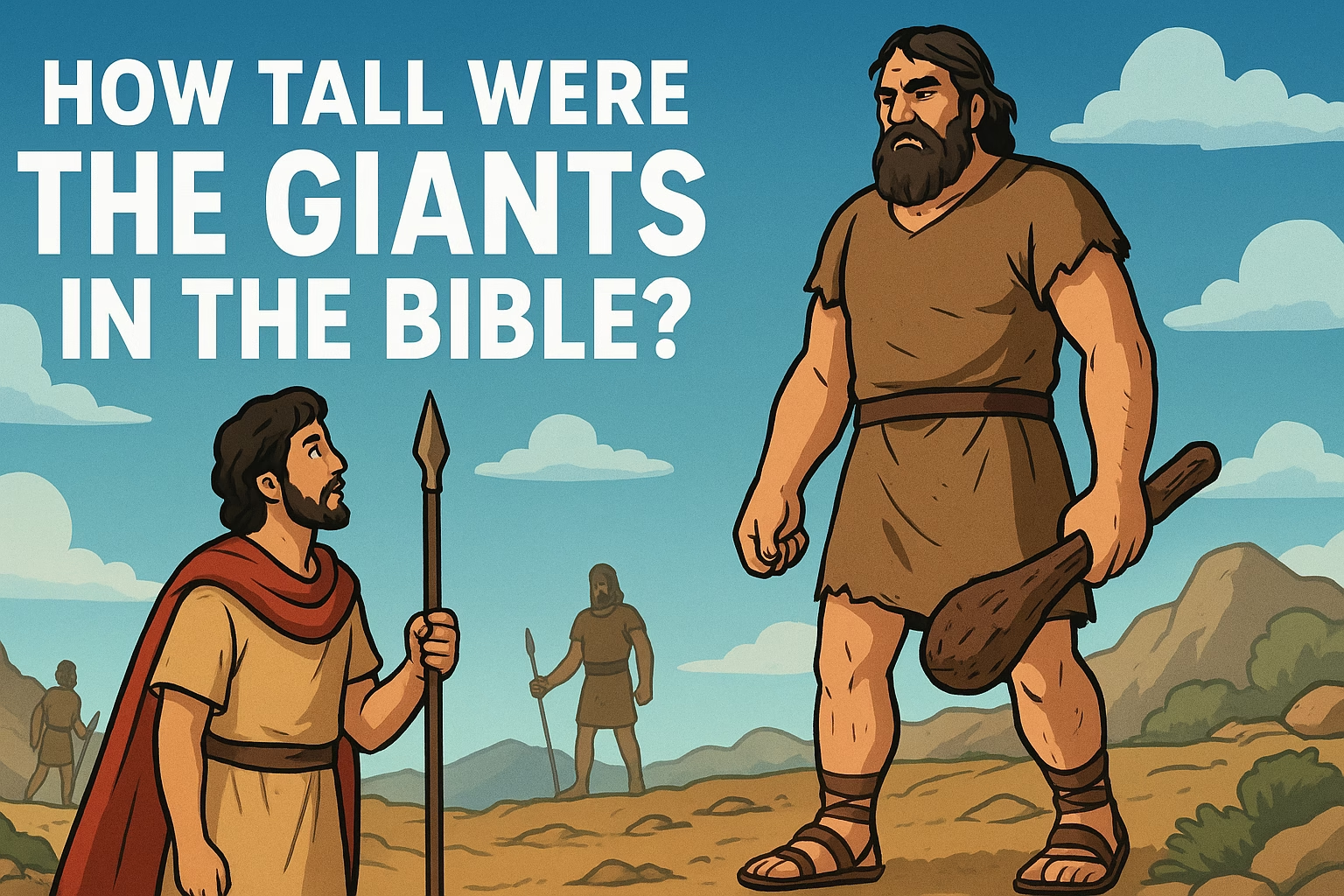
The subject of giants in the Bible has intrigued many readers and scholars for centuries. These mysterious figures often appear in stories that contain elements of both historical context and theological significance. As we explore the heights of these giants, we will look at relevant biblical passages, interpretations, and the cultural backdrop that may help us understand their significance within Scripture.
When it comes to the question of how tall the giants in the Bible were, the most direct references can be found in two primary texts: the Book of Genesis and the Book of Numbers. The giants are often referred to as the Nephilim and the Anakim, among other names. While the Bible does not provide specific measurements for their heights, some passages suggest they were remarkably large individuals, leading to various interpretations among scholars and theologians.
The Nephilim: Genesis 6:1-4
The term “Nephilim” appears in Genesis 6:1-4, which describes the time before the Great Flood. This passage states, “In those days, and even afterward, giant Nephilim lived on the earth, for whenever the sons of God had intercourse with women, they gave birth to children who became the heroes and famous warriors of ancient times.” This verse indicates that the Nephilim were present before the flood, and they were seen as mighty beings.
While the text does not specify their height, the association of the Nephilim with great strength and notoriety has led to interpretations that suggest they were much larger than the average human. Some ancient Jewish texts and later interpretations imply that the Nephilim were of extraordinary stature, but these ideas often stem from tradition rather than explicit biblical language.
Interpretations of Nephilim Heights
The lack of concrete measurements has led to a variety of interpretations regarding the heights of the Nephilim. Some early Jewish texts, such as the Book of Enoch (which is not considered canonical by most branches of Judaism and Christianity), elaborate on the Nephilim, describing them as giants. These interpretations can vary widely, with some suggesting heights ranging from 9 to 12 feet or more, but these figures are not found in the canonical Scriptures and should be viewed with caution.
The Anakim: Numbers 13:33
Another significant reference to giants in the Bible comes from the Book of Numbers, particularly in Numbers 13:33. When the Israelite spies explored the land of Canaan, they reported, “We even saw giants there, the descendants of Anak. Next to them we felt like grasshoppers, and that’s what they thought, too!” This statement indicates that the Anakim were perceived as giants and instilled fear in the hearts of the spies.
Again, the text does not provide a specific height, but it emphasizes the spies’ feelings of insignificance when compared to the Anakim. This metaphorical language suggests that the giants were indeed much larger than the average person, but without precise measurements, the exact height remains uncertain.
Cultural Context of the Anakim
The Anakim were considered a formidable race, and their presence in Canaan represented a significant challenge to the Israelites. The term “Anak” itself is believed to derive from a root word meaning “neck,” which some scholars interpret to suggest they were long-necked or tall. Yet, like with the Nephilim, the Bible does not specify their height, leaving room for interpretation based on the cultural context.
Other References to Giants
In addition to the Nephilim and the Anakim, the Bible also references other groups of giants. For instance, Goliath, a Philistine warrior mentioned in 1 Samuel 17, is described as a giant standing “six cubits and a span” tall. This measurement translates to approximately 9 feet and 9 inches, making Goliath one of the most well-known giants in biblical history.
However, the exact interpretation of “cubits” can vary. A cubit is generally considered to be about 18 inches, but different cultures may have had slightly different measurements. The translation of “span” also adds to the variability, as it represents the distance from the tip of the thumb to the tip of the little finger, which can vary from person to person. Thus, while Goliath is often depicted as being around 9 feet tall, this figure is not definitively established in Scripture.
Goliath’s Context and Impact
Goliath’s height served to emphasize the overwhelming odds faced by the Israelites in battle. His stature was meant to convey not just physical size but also the intimidation he represented. This narrative illustrates how giants were often used symbolically in Scripture to represent obstacles or challenges that seemed insurmountable.
In summary, while the Bible speaks of giants such as the Nephilim, the Anakim, and Goliath, it does not provide precise measurements for their heights. Instead, it uses descriptive language to convey their formidable presence and the fear they instilled in others. The interpretations of their size can vary widely, influenced by cultural and historical context. As we continue to explore this topic, we will delve deeper into how these giants fit into the broader biblical narrative and their significance in the context of faith and challenges faced by the people of Israel.
Examining the Cultural Significance of Giants
The giants mentioned in the Bible are not just figures of extraordinary height; they also carry deep cultural and theological significance. In ancient Near Eastern literature, giants often symbolize chaos and disorder, standing in contrast to the order that God brings to creation. This theme is reflected in the biblical narrative, where the presence of giants often coincides with times of moral decline or societal upheaval.
The Nephilim, for example, appear during a period when humanity’s wickedness had reached its peak, prompting divine intervention through the flood. Their existence serves as a reminder of the consequences of straying from God’s ways. Similarly, the Anakim’s presence in Canaan represents a formidable challenge that the Israelites must overcome to possess the land promised to them by God.
Theological Implications
The concept of giants is intertwined with the broader theological themes of sin, judgment, and redemption. The Nephilim are often viewed as a product of the union between the “sons of God” and the “daughters of men,” a controversial interpretation that raises questions about divine order and human agency. This narrative underscores the tension between the divine and the earthly, as well as the consequences that arise when boundaries are crossed.
Moreover, the fear experienced by the Israelite spies when confronting the Anakim illustrates a lack of faith in God’s promises. This narrative invites readers to reflect on their own fears and challenges, encouraging them to trust in God’s power to overcome obstacles, no matter how insurmountable they may seem.
Modern Interpretations and Speculations
In contemporary discussions, the giants of the Bible continue to inspire speculation and debate. Some interpret the giants as literal beings of immense stature, while others view them as metaphorical representations of challenges or adversities faced by individuals and communities. The lack of specific measurements invites a variety of interpretations, allowing readers to engage with the text in diverse ways.
Additionally, the fascination with giants has led to a plethora of theories regarding their origins and nature. Some scholars propose that the Nephilim were the result of genetic experiments or hybrid beings, while others suggest they could represent historical figures known for their exceptional size and strength. However, these interpretations often stray from the biblical text and delve into the realm of speculation.
Influence on Popular Culture
The biblical account of giants has also permeated popular culture, influencing literature, film, and art. From the tale of David and Goliath to modern adaptations of mythical giants, these stories resonate with audiences, symbolizing the struggle against overwhelming odds. The imagery of giants evokes powerful emotions and serves as a metaphor for personal and collective challenges.
As a result, the giants of the Bible have taken on a life of their own, inspiring various interpretations and creative expressions that reflect humanity’s ongoing fascination with the extraordinary.
Questions for Reflection
As we consider the biblical giants, several questions arise that can deepen our understanding of their significance:
- What do the giants represent in our lives today? Are there challenges we perceive as ‘giants’ that we must face?
- How does the portrayal of giants in Scripture inform our understanding of faith and courage?
- What role do cultural interpretations play in shaping our understanding of biblical narratives?
- How can we reconcile the historical and theological aspects of giants with contemporary beliefs?
Reflecting on these questions can provide valuable insights into our personal journeys and the challenges we confront in our faith. The giants of the Bible serve not only as historical figures but also as powerful symbols that can inspire us to confront our fears and trust in God’s guidance.
Conclusion: The Legacy of Giants in Biblical Narrative
In conclusion, the giants mentioned in the Bible, such as the Nephilim, the Anakim, and Goliath, represent more than just physical size. They embody significant themes of chaos, faith, and the struggle against adversity. While the exact heights of these giants remain ambiguous, their influence permeates biblical narratives and continues to resonate today.
Ultimately, the stories of giants challenge us to examine our own lives, encouraging us to confront the ‘giants’ we face with faith and resilience. As we engage with these ancient texts, we are reminded of the importance of trusting in God, who empowers us to overcome even the most daunting obstacles.
For more insights on biblical narratives and their significance, check out the impact of faith in overcoming challenges and the cultural context of biblical stories.