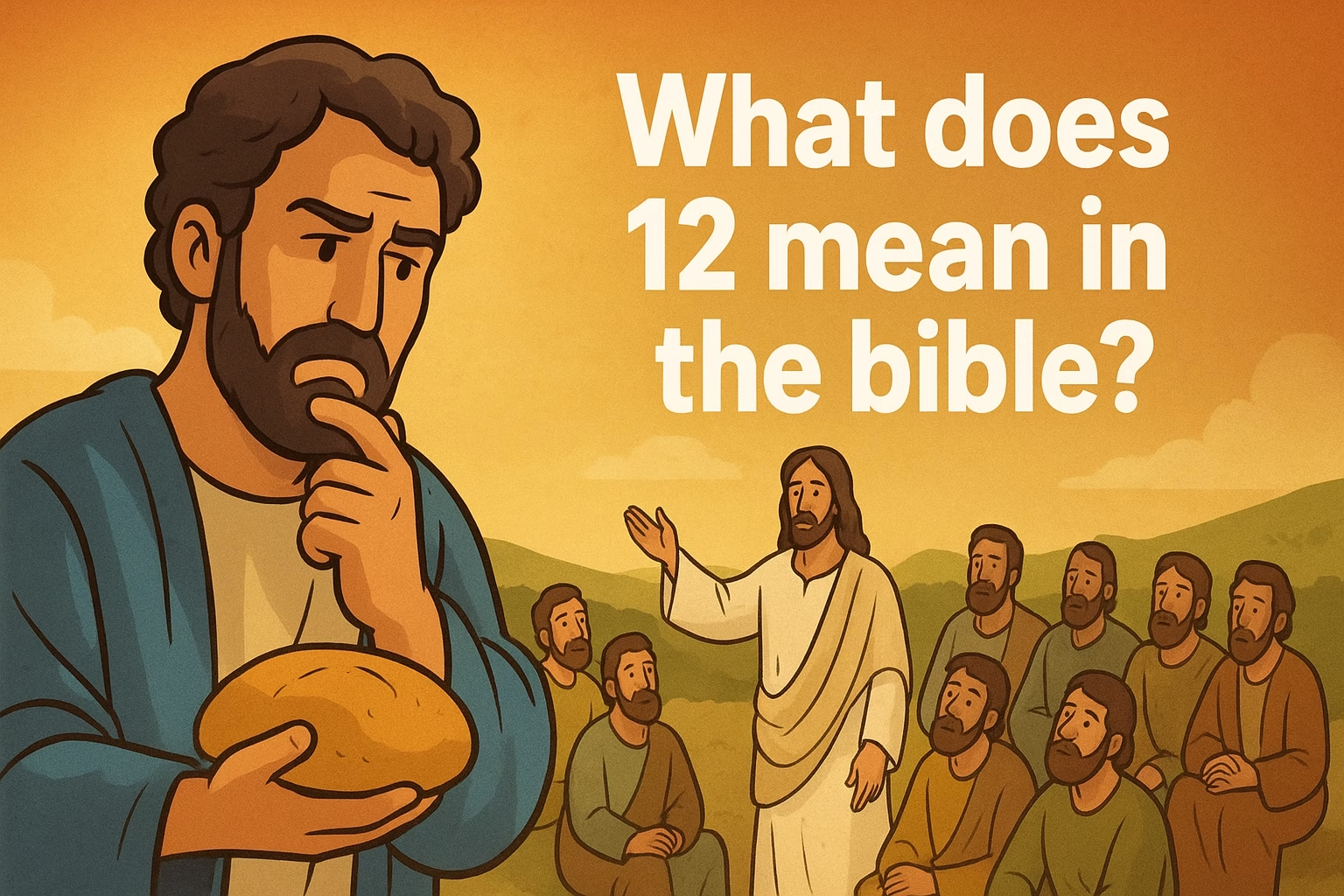
The number 12 holds significant meaning in the Bible, symbolizing divine authority, completeness, and God’s people. Throughout Scripture, this number appears in various contexts, illustrating its importance in God’s plan and the structure of His kingdom. In this article, we will explore the various instances of the number 12 in the Bible and the meanings associated with it.
To understand the significance of the number 12 in the Bible, we can look at its occurrences in key events, people, and concepts that highlight its meaning and implications for believers today.
The Twelve Tribes of Israel
One of the most notable uses of the number 12 in the Bible is in the context of the twelve tribes of Israel. After the Israelites were freed from slavery in Egypt, God established a covenant with them. The descendants of Jacob, whose name was changed to Israel, became the foundation of these tribes. Each tribe represents one of Jacob’s twelve sons:
- Reuben
- Simeon
- Levi
- Judah
- Dan
- Naphtali
- Gad
- Asher
- Issachar
- Zebulun
- Joseph
- Benjamin
This division into twelve tribes signifies God’s chosen people and their collective identity. The tribes were allocated specific territories in the Promised Land, emphasizing their importance in God’s plan for Israel. This concept of completeness is central to the idea of the twelve tribes, as they represent the whole of God’s chosen nation.
The Twelve Apostles
In the New Testament, the number 12 reappears with the selection of the twelve apostles by Jesus. These men were chosen to spread the message of the Gospel and establish the early church. The apostles, including Peter, James, and John, played crucial roles in the formation of Christian doctrine and the expansion of the faith.
Jesus’s choice of twelve apostles mirrors the twelve tribes of Israel, symbolizing a new beginning for God’s people. Just as the tribes represented the Old Covenant, the apostles represent the New Covenant established through Christ’s sacrifice. This connection illustrates the continuity of God’s plan throughout history, linking the Old Testament to the New Testament.
The Significance of Twelve in Revelation
The Book of Revelation also emphasizes the number 12 in various ways. For instance, there are twelve gates in the New Jerusalem, each named after one of the twelve tribes of Israel (Revelation 21:12). Additionally, the foundations of the city are inscribed with the names of the twelve apostles (Revelation 21:14). This imagery reinforces the idea of completeness and the unity of God’s people in heaven.
Moreover, Revelation mentions the 144,000 sealed from the tribes of Israel, which is 12,000 from each of the twelve tribes (Revelation 7:4). This again underscores the significance of the number 12 as it relates to God’s protection and selection of His people. The number 144,000 symbolizes a complete and perfect representation of God’s faithful followers.
The Spiritual Meaning of Twelve
The number 12 often conveys a sense of divine order and structure. In the Bible, it represents God’s authority and the establishment of His kingdom. The use of twelve in various contexts signifies that God is in control and that His plans are perfect and complete.
Furthermore, the number 12 can symbolize the fullness of God’s people. As believers, we are part of a larger body that transcends individual differences and backgrounds. The twelve tribes and the twelve apostles serve as reminders that God’s family is diverse yet united in purpose and mission.
Cultural and Historical Context
Throughout history, the number 12 has held significance in various cultures and traditions. For example, many ancient civilizations, including the Greeks and Romans, recognized the number as a symbol of completeness. This cultural understanding may have influenced its use in biblical texts, reinforcing the idea of divine order and perfection.
In addition, the Jewish calendar is structured around twelve months, further emphasizing the importance of this number in their culture. The connection between the number 12 and the Jewish faith adds depth to its biblical significance, as it represents God’s covenant relationship with His chosen people.
While the number 12 is not explicitly defined in the Bible as having a single meaning, its repeated use across various contexts signifies its importance in representing God’s people, divine authority, and completeness. The connections drawn between the twelve tribes of Israel and the twelve apostles highlight the continuity of God’s plan throughout history, showcasing His desire for a unified and faithful community.
Symbolism of Twelve Beyond the Tribes and Apostles
Beyond the tribes of Israel and the apostles, the number 12 appears in other significant biblical contexts that deepen its symbolic meaning. For instance, in the Old Testament, the twelve stones placed on the high priest’s breastplate represent the twelve tribes of Israel (Exodus 28:21). Each stone served as a reminder of God’s covenant with His people, further emphasizing their individual and collective identity before God.
Additionally, the twelve loaves of bread, known as the showbread, were placed in the tabernacle every Sabbath (Leviticus 24:5-9). This practice not only symbolized God’s provision but also represented the twelve tribes of Israel, indicating that God nourishes and sustains His people. The number 12, in this context, signifies God’s ongoing relationship with His people, ensuring they are spiritually fed and cared for.
Connections to Other Biblical Numbers
The number 12 often interacts with other significant biblical numbers, creating a rich tapestry of meaning. For example, the number 3 often represents divine perfection and completeness, as seen in the Trinity. When combined, the numbers 3 and 12 can symbolize a divine order that is complete and fully established. This connection can be observed in the twelve tribes and the three patriarchs—Abraham, Isaac, and Jacob—effectively linking the Old Covenant to the New Covenant.
Furthermore, the number 40, which often signifies a period of testing or trial, can also connect with 12 in instances like the twelve spies sent to scout the Promised Land (Numbers 13). Their report led to Israel’s forty years of wandering due to disbelief. This illustrates how the number 12 can be part of larger narratives of faith, challenge, and eventual restoration through God’s grace.
Lessons for Believers Today
The significance of the number 12 in the Bible offers profound lessons for contemporary believers. Understanding its implications can help followers of Christ grasp their identity within the broader narrative of Scripture. Just as the twelve tribes were called to be a light to the nations, believers today are invited to share the Gospel and reflect God’s love to the world.
Moreover, the twelve apostles exemplify the importance of community and collaboration in the faith journey. Each apostle brought unique gifts and perspectives, which contributed to the early church’s growth. Similarly, the modern church is called to embrace diversity while working together toward a common mission, embodying the unity that the number 12 represents.
Questions for Reflection
As we consider the significance of the number 12 in the Bible, it is important to reflect on its relevance in our lives. Here are some questions that may guide personal contemplation:
- How does understanding the number 12 enhance your view of God’s chosen people throughout history?
- In what ways can you contribute to the unity and mission of the church today, reflecting the principles represented by the number 12?
- What lessons can you draw from the twelve apostles about leadership and service in your community?
- How does the symbolism of twelve in the Bible encourage you to trust in God’s divine order and plan for your life?
Reflecting on these questions can deepen your understanding of your role within the body of Christ and help you appreciate the continuity of God’s work throughout history.
Conclusion: The Enduring Significance of Twelve
The number 12 in the Bible serves as a powerful symbol of divine authority, completeness, and the identity of God’s people. From the twelve tribes of Israel to the twelve apostles, this number encapsulates the essence of God’s covenant relationship with humanity. It reminds believers of their call to unity, purpose, and mission in fulfilling God’s plan. By recognizing the multifaceted significance of the number 12, we can appreciate the depth of Scripture and the ongoing relevance of God’s promises in our lives today.
For further insights into the symbolism of numbers in the Bible, check out this article on biblical numerology and learn how numbers can enhance your understanding of Scripture. Additionally, explore this resource on covenant relationships to gain a deeper appreciation of God’s promises to His people.