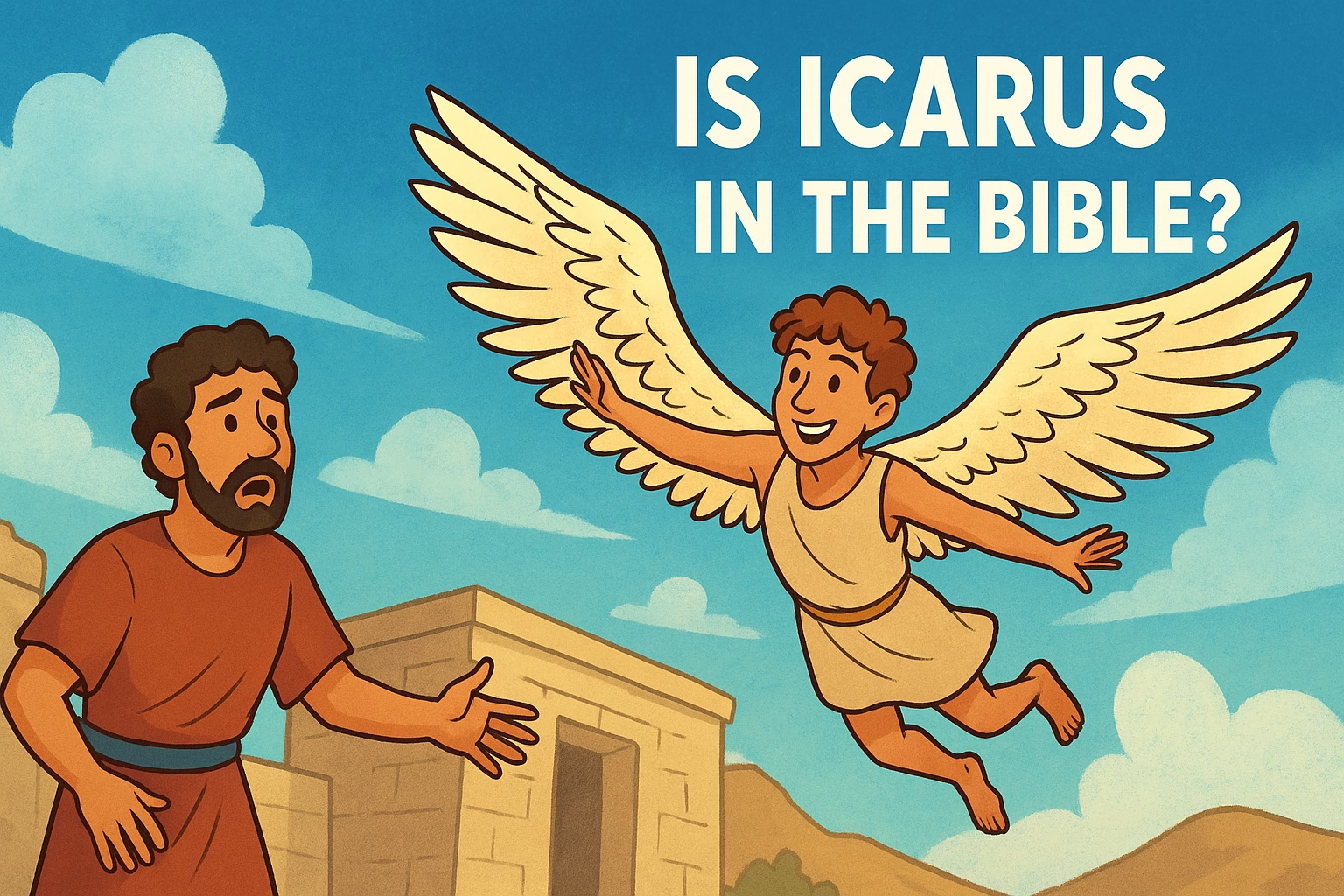
The story of Icarus is one that has captivated many through literature and mythology, particularly in Greek mythology. Icarus is known for his ill-fated flight too close to the sun, which melted the wax in his wings, causing him to plummet into the sea. However, the question arises: is Icarus mentioned in the Bible? This article aims to explore the connections, if any, between the biblical text and the tale of Icarus.
To answer the question directly, Icarus is not mentioned anywhere in the Bible. His story is rooted in ancient Greek mythology rather than biblical scripture. The Bible contains narratives that teach moral lessons and principles, but the tale of Icarus does not appear in its pages. However, understanding the themes of ambition, pride, and the consequences of one’s actions found in the story of Icarus can lead to valuable insights when examining biblical passages that address similar ideas.
The Myth of Icarus
The myth of Icarus, as told in various ancient texts, particularly by the poet Ovid, centers around the character of Daedalus, a skilled craftsman. Daedalus created wings made of feathers and wax for himself and his son, Icarus, to escape from imprisonment. Daedalus warned Icarus not to fly too high to avoid the sun, nor too low to avoid the sea. However, Icarus, driven by hubris, ignored his father’s advice and flew too close to the sun. The wax melted, and he fell into the ocean, symbolizing the dangers of excessive ambition and disobedience.
Ambition and Pride in the Bible
While Icarus is absent from the Bible, the themes of ambition and pride are prevalent throughout scripture. For instance, in Proverbs 16:18, it is written, “Pride goes before destruction, a haughty spirit before a fall.” This verse captures the essence of what happened to Icarus; his pride led him to disregard his father’s warning, resulting in his tragic fate.
The Tower of Babel
Another biblical story that mirrors the themes of ambition and pride is the account of the Tower of Babel found in Genesis 11:1-9. The people of Babel sought to build a tower that reached the heavens, driven by their desire to make a name for themselves. Their ambition led to their downfall when God confused their language, causing them to scatter across the earth. This story illustrates how unchecked ambition can lead to consequences that hinder rather than help.
Lucifer’s Fall
The fall of Lucifer, as described in Isaiah 14:12-15, also reflects the dangers of pride. Lucifer, who sought to exalt himself above God, faced dire consequences for his ambition. The passage indicates that he was cast down to the earth because of his desire to ascend to the heights of heaven. This narrative serves as a stark reminder that pride can lead to one’s downfall, similar to Icarus’s fate.
Lessons from Icarus and Scripture
Though Icarus himself is not a biblical figure, the lessons derived from his story resonate with biblical teachings. The dangers of ambition and pride are warnings that echo throughout the Bible. Here are some key takeaways:
- Heed Warnings: Just as Daedalus warned Icarus, the Bible provides guidance through its teachings. Ignoring wise counsel can lead to negative consequences.
- The Importance of Humility: Many biblical figures demonstrate humility, recognizing their limitations and dependence on God. This is a stark contrast to the pride exhibited by Icarus.
- Consequences of Actions: Both the myth of Icarus and various biblical stories highlight that our choices have consequences. The Bible urges individuals to consider the impact of their actions.
Comparative Analysis of Icarus and Biblical Figures
When examining figures in the Bible who exhibit similar traits to Icarus, one can consider King Saul and King Nebuchadnezzar. Both men experienced significant pride and ambition that led to their downfalls.
King Saul
King Saul, the first king of Israel, was initially humble and obedient to God’s commands. However, as he gained power, he became increasingly prideful. His disobedience to God’s instructions, particularly in 1 Samuel 15, led to God’s rejection of him as king. Saul’s story serves as a warning about the dangers of allowing ambition to cloud one’s judgment.
King Nebuchadnezzar
Similarly, King Nebuchadnezzar of Babylon is another example of pride leading to downfall. In Daniel 4, he boasts about his great power and achievements, declaring, “Is not this the great Babylon I have built?” God responds by humbling him, causing him to live like an animal until he acknowledges God’s sovereignty. This story parallels Icarus’s flight, where unchecked ambition leads to a humbling experience.
Conclusion
In summary, while Icarus is not found in the Bible, the themes of ambition, pride, and their consequences are woven throughout the biblical narrative. Understanding these principles can provide valuable insights into our own lives and the importance of humility and obedience. The stories serve to remind us that our ambitions should align with God’s will, lest we face the pitfalls of pride and the resultant fall.
Theological Implications of Pride
The narrative of Icarus serves as a powerful metaphor for the human condition, particularly in the context of pride and ambition. In the Bible, pride is often presented as one of the most serious spiritual pitfalls. It is important to recognize that pride can lead not only to personal failure but also to a broader separation from God. This is evident in several biblical passages where pride is condemned as a significant barrier to a relationship with the divine.
For instance, in James 4:6, it states, “God opposes the proud but gives grace to the humble.” This illustrates that pride not only has personal consequences but also affects one’s standing with God. The pride that led Icarus to fly too high resonates with the biblical warning that a haughty spirit can lead to a fall, reinforcing the idea that humility is essential in one’s walk with God.
Modern Reflections on Icarus and Biblical Teachings
In contemporary society, the story of Icarus continues to be relevant. Many people pursue their ambitions relentlessly, sometimes at the expense of their values or relationships. The biblical principles surrounding humility and the consequences of pride can serve as a guide for individuals today. How can we ensure that our aspirations do not lead us to a similar downfall as Icarus?
Self-Examination
One of the first steps in avoiding the pitfalls of pride is self-examination. Individuals are encouraged to reflect on their motivations and the potential consequences of their actions. In 2 Corinthians 13:5, Paul advises believers to “examine yourselves to see whether you are in the faith.” This kind of reflection can help people identify areas where pride may be influencing their decisions and actions.
Seeking Wise Counsel
Just as Icarus ignored the wisdom of his father, many today may dismiss valuable advice from trusted friends or mentors. The Bible emphasizes the importance of seeking counsel. Proverbs 15:22 states, “Plans fail for lack of counsel, but with many advisers, they succeed.” Engaging with others who can provide perspective can help temper ambition with wisdom.
Embracing Humility in Success
In times of success, it can be easy to let pride take over. The biblical narrative encourages believers to remain humble even in achievement. In Deuteronomy 8:17-18, God warns the Israelites against forgetting Him when they prosper. Recognizing that all success is ultimately a gift from God can prevent the pride that leads to a fall.
Lessons from Other Biblical Characters
In addition to Saul and Nebuchadnezzar, other biblical figures illustrate the contrast between humility and pride. For example, the story of Moses shows how humility can lead to divine favor. Despite being chosen to lead the Israelites out of Egypt, Moses is described in Numbers 12:3 as “very humble, more than any man who was on the face of the earth.” His humility allowed him to serve God’s purpose effectively.
The Example of Jesus
The ultimate example of humility is found in Jesus Christ. Philippians 2:6-8 describes how Jesus, though being in very nature God, took on the form of a servant and humbled Himself to the point of death on a cross. This profound act of humility serves as a model for Christians, emphasizing that true greatness comes not from ambition but from serving others.
Questions for Reflection
Considering the lessons learned from Icarus and biblical teachings about pride, several questions arise that can prompt deeper reflection:
- In what areas of my life might I be allowing pride to influence my decisions?
- Am I open to receiving counsel from others, especially when pursuing my ambitions?
- How can I practice humility in my personal and professional life?
- What steps can I take to ensure that my ambitions align with God’s will?
Conclusion
While Icarus does not appear in the Bible, the themes of ambition and pride found in his story resonate with biblical teachings. Both the myth and scripture highlight the importance of humility and the dangers of unchecked ambition. By learning from these narratives, individuals can strive to balance their aspirations with wisdom and humility, ultimately aligning their lives with God’s purpose. The lessons of Icarus serve as a reminder that success should not come at the expense of our relationship with God or others.
For further exploration of biblical themes, consider reading about the existence of dinosaurs in the Bible and how it relates to understanding creation, or delve into what the Bible says about temptation to see how ambition can lead to moral challenges.