Noah is one of the most significant figures in the Bible, known primarily for his role in the story of the Great Flood. His narrative is rich with themes of faith, obedience, and God’s covenant with humanity. In this article, we will explore who Noah is, his family background, and the major events of his life as described in the Scriptures.
Noah is introduced in the Book of Genesis as a righteous man, chosen by God to preserve life during a time of great wickedness on Earth. Genesis 6:9 tells us, “Noah was a righteous man, blameless among the people of his time, and he walked faithfully with God.” This description highlights Noah’s unique character and his close relationship with God, setting the stage for the pivotal role he would play in biblical history.
Family Background and Early Life
Noah was the son of Lamech and the grandson of Methuselah, a man noted for living 969 years, making him one of the longest-lived figures in the Bible. Noah’s lineage is significant as it connects him to Adam through Seth, presenting him as part of the faithful remnant amid widespread corruption.
According to Genesis 5:28-29, Lamech named Noah, saying, “He will comfort us in the labor and painful toil of our hands caused by the ground the Lord has cursed.” This name, which means “rest” or “comfort,” suggests that Noah was anticipated to bring relief from the struggles of humanity.
The Wickedness of Humanity
The context of Noah’s life is marked by the increasing wickedness of humanity. Genesis 6:5 states, “The Lord saw how great the wickedness of the human race had become on the earth, and that every inclination of the thoughts of the human heart was only evil all the time.” This pervasive corruption led God to regret creating humanity, prompting Him to decide to cleanse the Earth.
In this dire situation, Noah stood out as a beacon of righteousness. His faithfulness to God made him the only one deemed worthy of saving. This sets the stage for the critical events that would follow in Noah’s life.
The Ark and the Great Flood
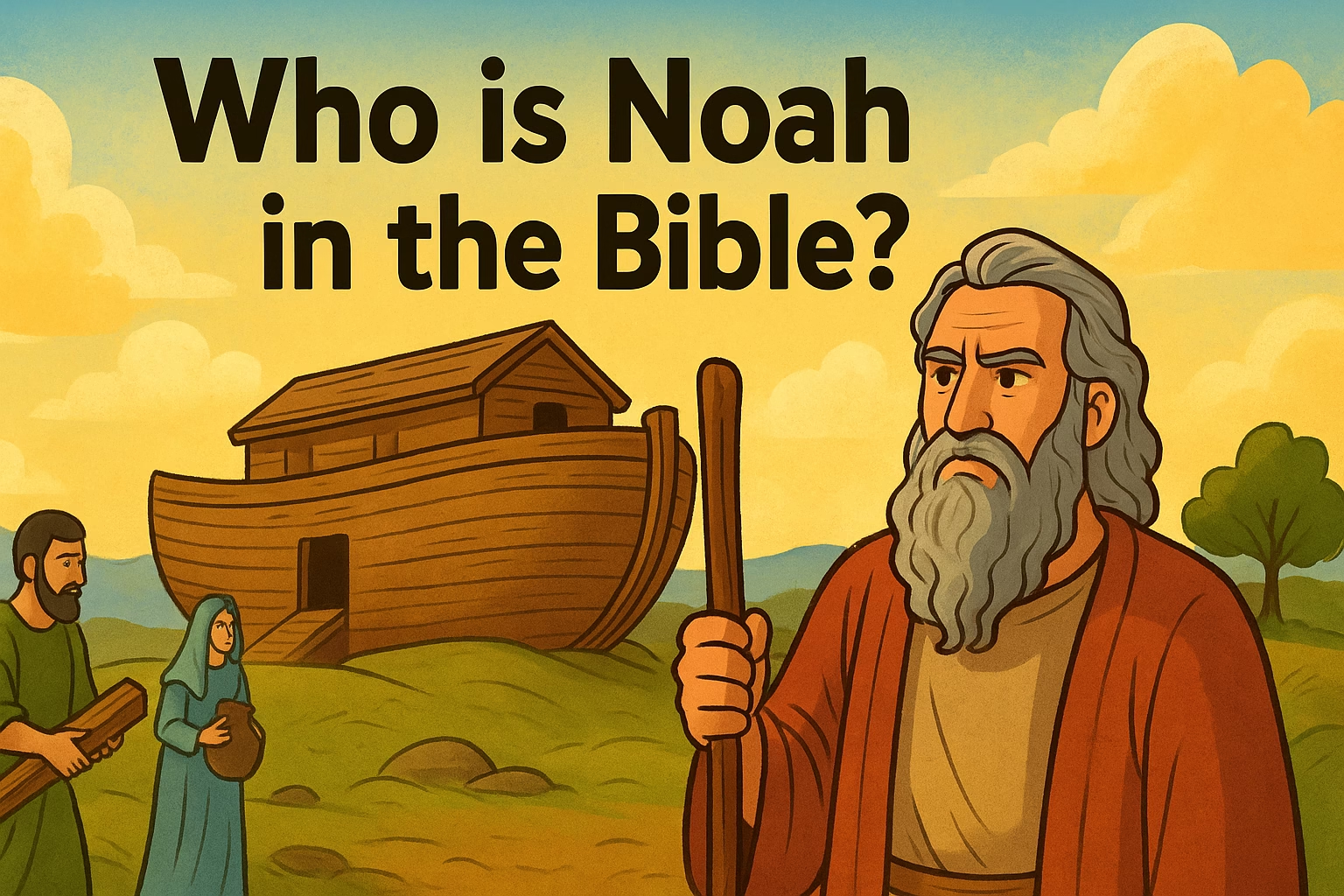
God instructed Noah to build an ark, a massive boat designed to save him, his family, and representatives of every animal species from the impending flood. In Genesis 6:14-16, God provides detailed specifications for the ark’s construction, indicating its size and materials, which were to be made of cypress wood and covered inside and out with pitch.
Noah obeyed God’s commands, demonstrating immense faith and perseverance despite the ridicule he likely faced from others. The ark became a symbol of salvation and obedience, contrasting sharply with the judgment that was to come upon the rest of humanity.
The Flood Begins
Once the ark was completed, Noah gathered his family—his wife, three sons (Shem, Ham, and Japheth), and their wives—along with pairs of every kind of animal, as instructed by God. Genesis 7:1-5 recounts how God commanded Noah to enter the ark, emphasizing that Noah had done everything as God had commanded him.
The flood itself is described in Genesis 7:17-24, where it states that the waters increased and covered the earth, even reaching above the highest mountains. This catastrophic event lasted for 40 days and nights, resulting in the destruction of all living creatures outside the ark. Noah and his family remained safe within the ark, a testament to God’s protection over those who walk in faith.
Noah’s Covenant with God
After the floodwaters receded, Noah and his family emerged from the ark to a cleansed world. The first thing Noah did was build an altar to the Lord and offer sacrifices, expressing gratitude for their deliverance (Genesis 8:20). In response, God made a covenant with Noah, promising never to destroy the Earth with a flood again. This covenant is marked by the sign of the rainbow, as stated in Genesis 9:13-15.
God’s covenant with Noah also included instructions for humanity, emphasizing the importance of moral conduct and the sanctity of life. Genesis 9:6 underscores the value of human life, stating, “Whoever sheds human blood, by humans shall their blood be shed.” This establishes a foundational principle for human relationships and governance.
Noah’s Legacy
Noah’s legacy extends beyond the flood narrative. He is often referred to as a man of faith in the New Testament as well, specifically in Hebrews 11:7, which highlights his faith in God’s warning about things not yet seen. This acknowledgment underscores his role as a model of obedience and trust in God.
In addition, Noah is considered a significant figure in various religious traditions, including Judaism and Islam. His story has been interpreted in various ways, but the core message remains the same: Noah represents faithfulness, obedience, and the hope of renewal after judgment.
As we delve deeper into Noah’s story, we will explore his life after the flood, his interactions with his sons, and the implications of his actions for future generations. Noah’s narrative not only reflects God’s judgment but also His mercy and the promise of redemption for humanity.
Noah’s Life After the Flood
After the flood, Noah’s life took on new dimensions as he began anew in a world that had been radically transformed. Genesis 9:20-21 describes Noah as a man who planted a vineyard and became drunk from the wine he produced. This episode serves as a reminder that even the most righteous individuals can falter. Noah’s drunkenness led to a significant incident involving his son Ham, which had lasting repercussions for his family.
The Incident with Ham
In Genesis 9:22-25, Ham saw his father naked and told his brothers about it. Shem and Japheth acted respectfully by covering Noah without looking at him. When Noah awoke and learned what Ham had done, he pronounced a curse on Ham’s son, Canaan. This event raises questions about respect, family dynamics, and the consequences of actions, even among the righteous. It highlights the complexities of human behavior and the importance of honoring family.
Noah’s Role as a Patriarch
Noah is often viewed as a patriarch of humanity, representing a new beginning after the flood. He is the father of three sons: Shem, Ham, and Japheth, through whom the nations of the earth are said to have descended. Genesis 10 details the genealogies of Noah’s sons, illustrating how they spread across the earth and established various peoples and nations.
This lineage is crucial in biblical history, as the descendants of Shem, Ham, and Japheth played significant roles in the unfolding narrative of the Scriptures. For instance, Shem is often associated with the Semitic peoples, while Ham’s descendants are linked to various nations in Africa and the Middle East. This aspect of Noah’s story emphasizes the interconnectedness of humanity and God’s ongoing plan for redemption through different cultures and nations.
Theological Implications of Noah’s Story
Noah’s narrative carries profound theological implications, particularly regarding God’s judgment and mercy. The flood represents divine judgment against sin, while the ark symbolizes salvation and hope. This duality resonates throughout the Bible, as it points to the ultimate redemption found in Jesus Christ, who saves humanity from the judgment of sin.
Additionally, Noah’s covenant with God establishes a foundational understanding of God’s relationship with humanity. The promise of the rainbow serves as a reminder of God’s faithfulness and mercy, assuring that He will not destroy the earth again with a flood. This covenant is not only significant for Noah but also for all of humanity, reinforcing the idea that God desires a relationship with His creation.
The Rainbow as a Symbol
The rainbow, as described in Genesis 9:13-15, symbolizes hope and divine promise. It serves as a reminder of God’s grace and the opportunity for humanity to turn towards Him. The image of the rainbow has transcended biblical texts and is often used in various contexts to signify hope and renewal, showcasing the lasting impact of Noah’s story beyond its immediate narrative.
Lessons from Noah’s Life
Noah’s life teaches several important lessons for believers today. Firstly, his unwavering faith in God amidst widespread disbelief serves as an encouragement to maintain faith in difficult times. Noah’s obedience, despite the ridicule he faced, exemplifies the strength of character and commitment required to follow God’s calling.
Secondly, Noah’s experience reminds us of the importance of familial relationships and the responsibility we have towards one another. The incident with Ham highlights the complexities of family dynamics and the need for respect and honor within families. It serves as a cautionary tale about how our actions can affect those around us and the legacy we leave behind.
Reflections on Noah’s Faith
Noah is celebrated in the New Testament as a model of faith. Hebrews 11:7 commends him for his faith in God’s warning about things not yet seen. This acknowledgment prompts believers to reflect on their own faith journeys. Just as Noah acted on God’s promises despite not seeing immediate results, Christians are encouraged to trust in God’s plans and promises, even when they are not fully visible.
Moreover, Noah’s story invites us to consider the concept of covenant in our relationship with God. His covenant with Noah emphasizes God’s desire for a partnership with humanity, calling us to live in accordance with His will and to honor the sanctity of life. This principle remains relevant today, as believers are called to uphold moral values and contribute positively to society.
Conclusion
Noah stands as a pivotal figure in the biblical narrative, representing faith, obedience, and the promise of renewal after judgment. His story is not merely a tale of survival during a great flood but a profound illustration of God’s relationship with humanity. Through Noah’s life, we learn about the importance of faith, the complexities of human relationships, and the enduring nature of God’s promises.
Ultimately, Noah’s legacy challenges us to live righteously in a world that often reflects the wickedness of Noah’s time. It encourages us to trust in God’s faithfulness and to seek a deeper relationship with Him, mirroring Noah’s walk with God. The lessons drawn from Noah’s life continue to resonate, guiding believers as they navigate their own journeys of faith.
For a deeper understanding of the significance of covenants in the Bible, you can explore our article on covenants in biblical history. Additionally, to learn more about the themes of faith and obedience found in the lives of biblical figures, check out our discussion on faith in the Old Testament.