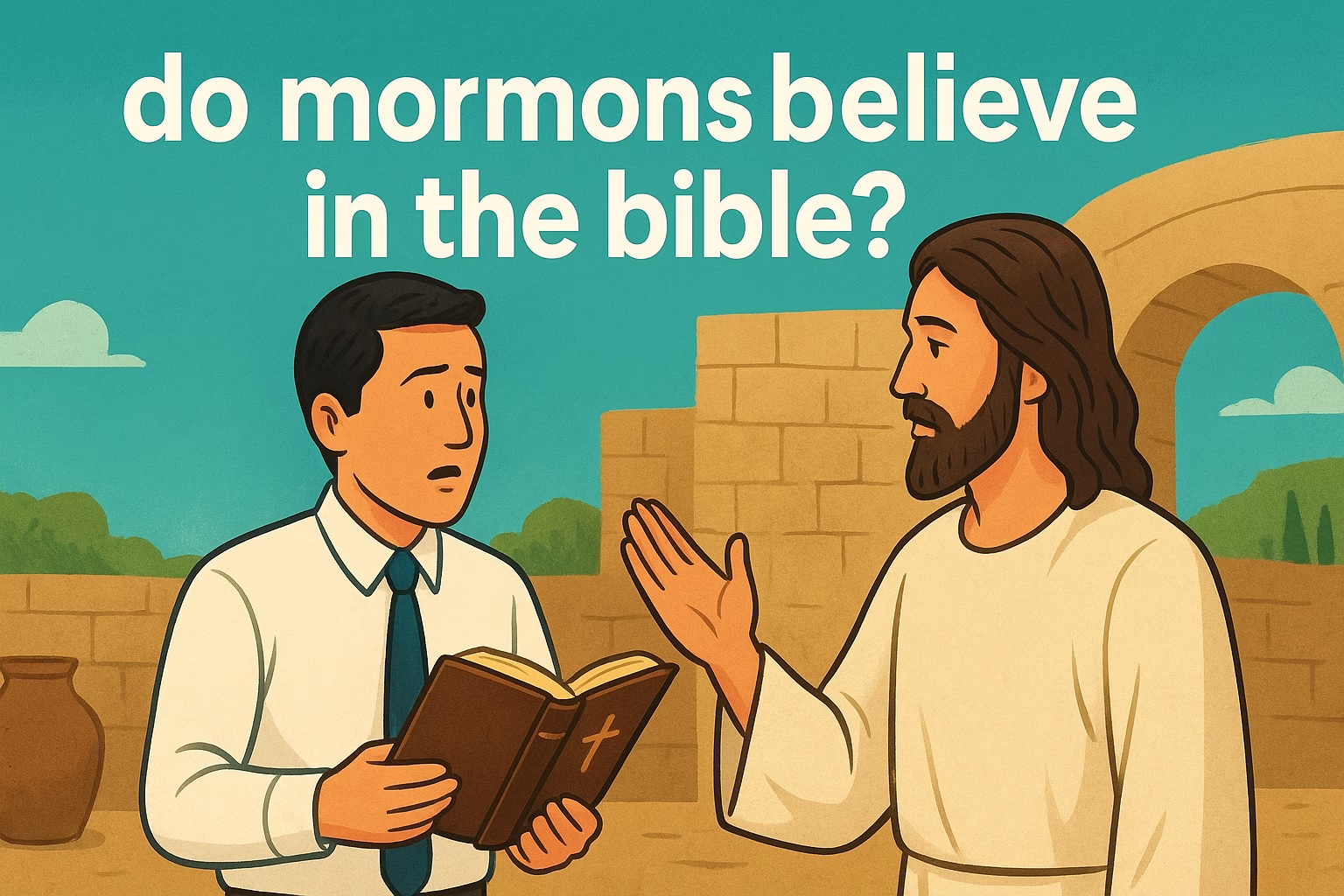
The relationship between Mormons, or members of The Church of Jesus Christ of Latter-day Saints, and the Bible is a topic that often invites curiosity and discussion. Many people wonder whether Mormons accept the Bible as scripture and how it fits into their broader religious beliefs. This article aims to clarify the stance of Mormons regarding the Bible, exploring both their acceptance of it and the unique context in which they view it.
Yes, Mormons do believe in the Bible. They regard it as sacred scripture, but their interpretation and use of the Bible differ somewhat from that of traditional Christian denominations. Mormons believe that the Bible is the word of God as far as it is translated correctly. This statement reflects their acknowledgment that while the Bible contains divine truths, it has also undergone various translations and interpretations over the centuries that may have affected its original meaning.
The Bible in Mormon Doctrine
In the context of Mormon doctrine, the Bible is one of four standard works of scripture. The other three are the Book of Mormon, Doctrine and Covenants, and Pearl of Great Price. Mormons believe that all four books together provide a comprehensive understanding of God’s will and teachings. The inclusion of the Book of Mormon is particularly significant, as Mormons view it as a companion to the Bible that offers additional insights into the gospel of Jesus Christ.
Acceptance of the Bible
Mormons express their acceptance of the Bible through various practices, including scripture study, preaching, and teaching. The Bible is often used in church services, and many Mormons read it regularly as part of their personal devotion. In fact, the Bible is frequently cited in Mormon teachings and discussions, emphasizing its importance in understanding the life and teachings of Jesus Christ.
Translation and Interpretation
One of the unique aspects of the Mormon belief in the Bible is their emphasis on the potential for errors in translation. Joseph Smith, the founder of the Latter-day Saint movement, stated that the Bible has been altered and misinterpreted over time. This belief leads Mormons to approach the Bible with a critical eye, seeking to understand the original intent of the scriptures while also relying on the additional revelations provided in the Book of Mormon and other Latter-day Saint scriptures.
Bible Passages and Context
Mormons often refer to specific Bible passages to support their beliefs about Jesus Christ and God’s plan for humanity. For example, John 3:16 emphasizes God’s love for the world and the promise of eternal life through faith in Jesus Christ. This verse is fundamental to both traditional Christianity and Mormonism, illustrating a shared belief in the importance of faith in Christ for salvation.
Another critical passage is found in 2 Timothy 3:16-17, which states that all scripture is inspired by God and useful for teaching, rebuking, correcting, and training in righteousness. Mormons interpret this to include both the Bible and their additional scriptures, affirming their belief in the divine inspiration of these texts.
The Role of Prophets
In addition to the Bible, Mormons believe in the ongoing revelation of God through modern prophets. This belief is rooted in the idea that God continues to guide His people today, much as He did in biblical times. Mormons hold that Joseph Smith was a prophet called by God to restore the true church and that subsequent leaders have continued this prophetic tradition. This perspective influences how they interpret the Bible and their understanding of God’s will for humanity.
Doctrinal Differences
While Mormons accept the Bible as scripture, there are notable doctrinal differences between Mormonism and other Christian denominations that can affect interpretations of biblical texts. For instance, Mormons believe in the concept of eternal progression, which suggests that human beings can become like God through a process of learning and growth. This idea contrasts with traditional Christian views on salvation and the nature of God.
Furthermore, Mormons have unique beliefs about the nature of God, the Trinity, and the afterlife that may influence how they read and understand biblical passages. For example, Mormons do not believe in the traditional Christian doctrine of the Trinity, viewing God the Father, Jesus Christ, and the Holy Spirit as separate beings with distinct roles. This belief shapes their interpretation of verses that discuss the nature of God and His relationship with humanity.
Community and Scripture Study
Mormons often engage in community scripture study, which helps them explore biblical texts in a group setting. This practice allows for a diverse range of interpretations and insights, fostering a deeper understanding of the scriptures. During church meetings, members may share their thoughts on specific passages, relating them to modern life and challenges.
In summary, Mormons do believe in the Bible and regard it as an essential part of their faith. However, their interpretation of the Bible is influenced by their additional scriptures and unique doctrinal beliefs. Understanding these distinctions is crucial for a comprehensive view of how Mormons engage with the Bible in their religious practice.
The Bible’s Role in Mormon Worship
The Bible plays a significant role in the worship practices of Mormons. During church services, scriptural readings from the Bible are common and often serve as the foundation for sermons and discussions. Members may be encouraged to memorize verses from the Bible, which helps internalize its teachings and fosters a strong sense of community as they share these scriptures with one another.
Additionally, Mormons participate in family home evenings, a weekly gathering where families come together to study the scriptures, including the Bible. This practice emphasizes the importance of scripture in daily life and encourages family members to discuss how biblical teachings apply to their personal experiences and challenges.
Interpreting the Bible through Latter-day Saint Perspectives
Mormons often interpret the Bible through the lens of their unique doctrinal beliefs, which can lead to different understandings of certain passages compared to traditional Christian interpretations. For instance, the concept of the pre-existence of souls is a fundamental belief in Mormonism. This idea suggests that individuals existed as spirits before their earthly lives, which can influence how Mormons view biblical narratives concerning creation and the nature of humanity.
Furthermore, the teachings of modern prophets are often seen as clarifying or expanding upon biblical texts. For example, revelations received by Joseph Smith and subsequent leaders may provide additional context or understanding of specific Bible passages, leading to interpretations that are distinct to the Latter-day Saint faith.
The Bible and Personal Revelation
For Mormons, personal revelation is an essential aspect of their faith. Members believe that individuals can receive guidance and inspiration from the Holy Spirit when studying the scriptures, including the Bible. This belief encourages a personal and intimate relationship with the scriptures, as Mormons seek to understand God’s will for their lives through prayerful study.
This approach to scripture study emphasizes that while the Bible is a vital source of divine truth, each individual has the capacity to receive personal insights and confirmations about its teachings. As a result, Mormons may feel a strong personal connection to specific verses or passages that resonate with their spiritual journey.
Connecting the Bible with Other Scriptures
Mormons view the Bible in conjunction with their additional scriptures, which they believe provide a fuller understanding of God’s plan. For instance, while the Bible contains teachings of Jesus Christ, the Book of Mormon offers further accounts of His ministry to ancient peoples in the Americas. This dual-scriptural approach allows Mormons to integrate teachings from both the Bible and the Book of Mormon, enriching their understanding of the gospel.
In discussions about faith, Mormons often reference both the Bible and the Book of Mormon to illustrate principles of love, service, and redemption. This interconnection highlights their belief that all scripture is complementary and collectively reveals God’s purpose for humanity.
Challenges and Critiques
Despite their reverence for the Bible, Mormons face challenges and critiques regarding their interpretation of scripture. Critics often point to differences in doctrinal beliefs to question the validity of Mormon interpretations. For example, the belief in modern prophets and continuing revelation can lead some to argue that Mormons place too much emphasis on contemporary teachings at the expense of biblical authority.
Additionally, the assertion that the Bible has been altered can lead to misunderstandings about the nature of biblical texts and their historical context. Mormons maintain that their approach to scripture is not dismissive but rather a recognition of the complexities involved in interpretation and translation throughout history.
Engaging with Other Christian Denominations
As Mormons engage with other Christian denominations, their beliefs about the Bible often become a point of discussion. While there is a shared respect for the Bible as a sacred text, differing interpretations can lead to debates about doctrine and theology. Mormons are encouraged to foster respectful dialogue with other Christians, focusing on common beliefs rather than solely on differences.
Such engagements can provide opportunities for greater understanding and collaboration, as all parties seek to explore the teachings of the Bible in their respective faith traditions. Mormons often emphasize their commitment to Jesus Christ and the importance of His teachings, which can serve as a bridge for discussions with other Christians.
Conclusion: The Bible in the Life of a Mormon
In conclusion, Mormons do believe in the Bible and regard it as a vital part of their faith, albeit with unique interpretations shaped by additional scriptures and modern revelations. The Bible serves as a foundational text that guides personal devotion, community worship, and ongoing spiritual growth. While Mormons acknowledge the complexities surrounding biblical translations and interpretations, they strive to engage with the Bible meaningfully and personally.
This relationship with the Bible encourages Mormons to seek understanding, foster personal revelation, and connect their faith to the teachings of Jesus Christ. By embracing both the Bible and their additional scriptures, Mormons cultivate a holistic view of God’s will and purpose for humanity, allowing them to navigate their spiritual journeys with confidence and conviction.
For further exploration of how Mormons engage with biblical teachings, you can read more about their beliefs in these articles: Mormon views on the Bible and the role of scripture in Mormon worship.