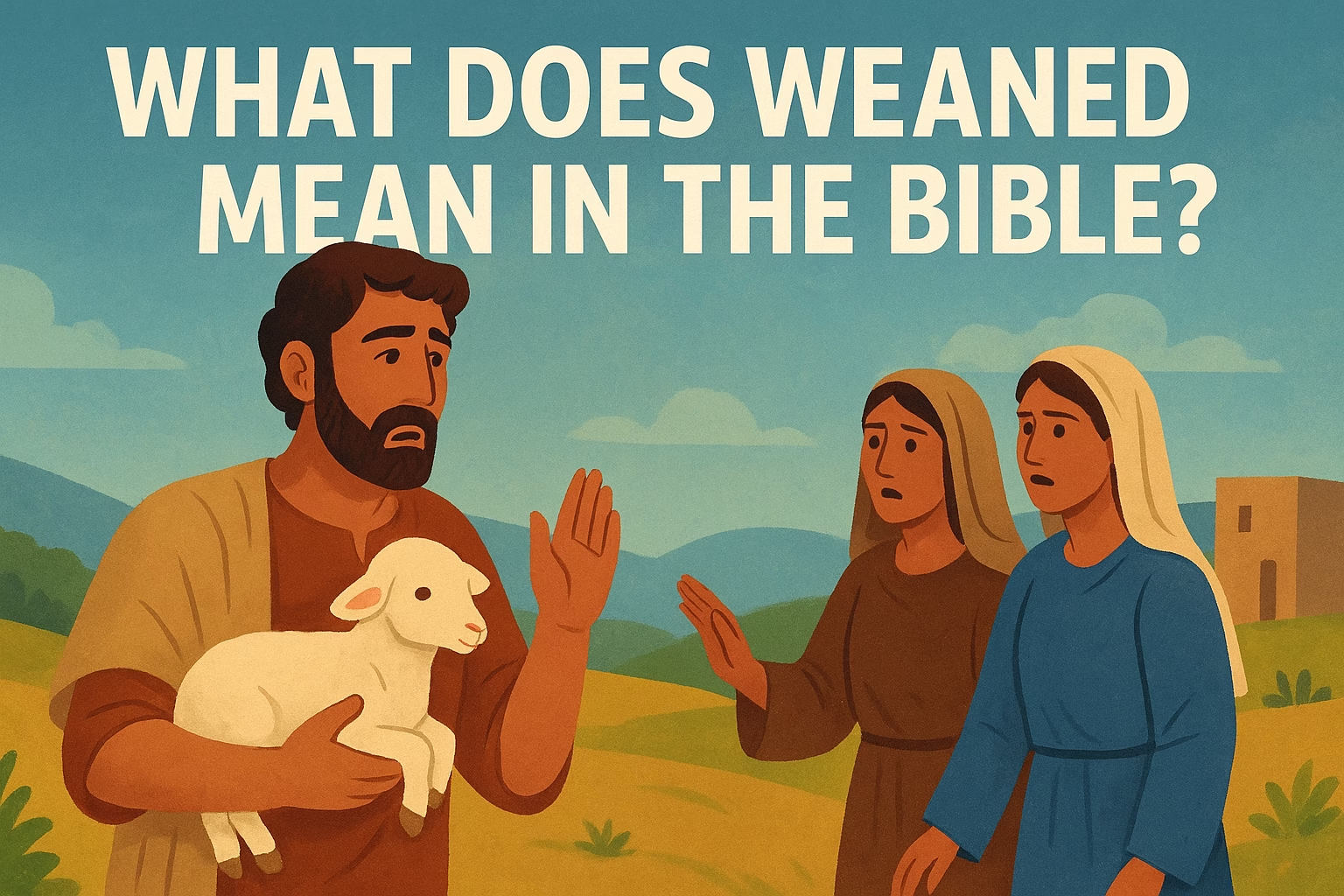
The term “weaned” in the Bible carries significant meaning that goes beyond its literal definition of a child or animal being transitioned from feeding on milk to consuming solid food. In biblical contexts, it often symbolizes maturity, independence, and spiritual growth. Understanding what it means to be weaned helps illuminate various passages in Scripture and offers insights into the relationship between God and His people.
To be weaned typically refers to the process of a child being taken off the breast, which is a natural and necessary stage of development. In the Bible, this concept extends to illustrate deeper spiritual truths, highlighting the transition from dependence to maturity in faith. A weaned child no longer relies solely on the nurturing of their mother for sustenance; instead, they begin to explore and consume other forms of nourishment. This idea is reflected in several biblical passages, allowing us to explore its significance in both personal growth and spiritual development.
The Symbolism of Weaning in Scripture
In the Bible, weaning is often used metaphorically to describe the spiritual journey of believers. The most notable reference is found in Psalm 131, where King David uses the imagery of a weaned child to express his trust and contentment in God.
“But I have calmed and quieted myself, like a weaned child who no longer cries for its mother.” (Psalm 131:2 NLT)
In this verse, David illustrates a state of peace and maturity. A weaned child no longer seeks the immediate comfort of their mother, signifying a deeper understanding of trust and assurance. David’s comparison shows that as believers grow in their faith, they learn to find solace in God rather than relying solely on earthly comforts or immediate answers to their prayers.
Weaning as a Process of Growth
The process of weaning is gradual and often accompanied by challenges. Just as a child must learn to adapt to new foods and experiences, spiritual weaning involves growing in faith and understanding. This transition can be difficult, as believers may feel a sense of loss when moving away from the familiar and comfortable aspects of their faith journey.
Spiritual Maturity
Hebrews 5:12-14 discusses the importance of moving beyond basic teachings and advancing toward maturity in Christ:
“You have been believers so long now that you ought to be teaching others. Instead, you need someone to teach you again the basic things about God’s word. You are like babies who need milk and cannot eat solid food.” (Hebrews 5:12 NLT)
This passage emphasizes that a mature believer should progress from consuming “milk” (basic teachings) to “solid food” (deeper understanding). The weaning process in this context encourages Christians to grow in their relationship with God, seeking a deeper, more meaningful connection rather than remaining dependent on elementary teachings.
Trusting God through the Weaning Process
Just as a weaned child learns to trust in their ability to eat solid food, believers are called to trust in God’s provision and guidance as they mature spiritually. This trust is essential for navigating life’s challenges and uncertainties. In the book of Isaiah, the Lord reassures His people of His constant presence and care:
“As a mother comforts her child, so will I comfort you; and you will be comforted over Jerusalem.” (Isaiah 66:13 NLT)
This verse reflects the nurturing aspect of God’s character, emphasizing that while we may move beyond our initial dependence on Him, His love and comfort remain steadfast. Believers are encouraged to embrace the weaning process, understanding that it leads to a deeper relationship with God, characterized by trust and reliance on His wisdom.
Weaning in Relation to Community and Discipleship
The concept of weaning also extends to the community of believers. Just as parents nurture and guide their children through the weaning process, Christians are called to support one another in their spiritual growth. Discipleship involves helping others move from spiritual infancy to maturity, encouraging them to engage with Scripture and seek a personal relationship with God.
The Role of Mentorship
In 2 Timothy 2:2, Paul instructs Timothy on the importance of passing on teachings to others:
“You have heard me teach things that have been confirmed by many reliable witnesses. Now teach these truths to other trustworthy people who will be able to pass them on to others.” (2 Timothy 2:2 NLT)
This verse highlights the responsibility of mature believers to mentor others, facilitating their spiritual weaning process. By sharing knowledge and experiences, believers can help each other grow and mature in their faith, fostering a healthy spiritual community.
Encouragement in the Weaning Journey
For many, the weaning process can feel daunting or uncomfortable. However, it is essential to recognize that this journey is a vital part of spiritual growth. Believers are encouraged to lean on their faith community for support and guidance as they navigate this transition. Moreover, it is crucial to remember that God is always present, providing comfort and strength throughout the process.
As we explore the meaning of weaning in the Bible, we see that it is not merely a physical transition but a profound spiritual journey towards maturity and independence in our relationship with God. This understanding encourages believers to embrace their growth, trust in God’s guidance, and support one another in their faith journeys.
Weaning and the Nature of God
Understanding the concept of weaning in the Bible also invites us to reflect on the nature of God. God is often likened to a nurturing figure, much like a mother who cares for her child. This nurturing aspect is crucial in the weaning process, as it reassures believers that they are not abandoned during their transition to spiritual maturity. The imagery of God as a caregiver is prominent throughout the Scriptures, reminding us that His love and support are unwavering, even when we move away from the initial stages of our faith.
In the book of Exodus, God reveals Himself as a compassionate leader who guides His people through challenges. For instance, God assures the Israelites of His presence and care as they journey through the wilderness. Just as a child learns to walk, often with help and encouragement, believers are reminded that God is there to support them in their growth. This reassurance is vital, especially during times of uncertainty or struggle, where the weaning process can feel overwhelming.
God’s Sustaining Grace
As believers grow and mature, they may encounter situations that challenge their faith. However, it is essential to remember that God’s grace sustains them through these trials. In 2 Corinthians 12:9, Paul writes about God’s grace being sufficient in his weaknesses. This illustrates that even when believers feel inadequate or vulnerable, God’s strength is made perfect in their weakness. The weaning process is not about becoming self-sufficient but rather learning to rely on God’s grace to navigate life’s complexities.
The Community’s Role in Weaning
Weaning in a spiritual context is not solely an individual journey; it is also a communal experience. The body of Christ plays a significant role in nurturing and supporting each member as they grow in faith. The New Testament emphasizes the importance of community, where believers are called to bear one another’s burdens (Galatians 6:2). This mutual support is essential in helping individuals transition from spiritual infancy to maturity.
Church gatherings, Bible studies, and fellowship opportunities provide environments where individuals can learn, grow, and share their experiences. These interactions help believers process their growth and encourage them to take steps toward greater independence in their faith. Just as a child benefits from the support of family during the weaning process, so too do believers thrive in a community that fosters growth and discipleship.
Encouraging Growth in Others
As mature believers, there is a call to actively participate in the weaning process of others. This involves recognizing the unique needs of those who are new in their faith journey and providing them with the encouragement and guidance they need. Whether through mentorship, teaching, or simply walking alongside someone, the role of a seasoned believer is to help others navigate their spiritual growth effectively.
In Acts 2:42-47, we see the early church exemplifying this communal aspect beautifully. They devoted themselves to the apostles’ teaching, fellowship, breaking of bread, and prayer. This active participation in each other’s lives created a nurturing environment that fostered spiritual growth and maturity. The community’s role in weaning is to create a safe space where questions can be asked, doubts can be expressed, and faith can be nurtured.
Follow-Up Questions for Reflection
To deepen your understanding of the weaning process in a biblical context, consider the following questions:
- How has your own spiritual weaning process shaped your relationship with God?
- In what ways can you actively support someone else in their journey toward spiritual maturity?
- What practices or disciplines can you implement to ensure you are moving toward deeper understanding and reliance on God?
- How does the nurturing aspect of God encourage you during times of spiritual transition?
- What role does your faith community play in your spiritual growth, and how can you contribute to that community?
These questions can help facilitate personal reflection and discussion within your faith community, allowing for a deeper exploration of what it means to be weaned in a spiritual sense. As believers navigate their faith journeys, these reflections can encourage growth and foster a supportive environment.
Conclusion: Embracing the Weaning Journey
The concept of weaning in the Bible transcends the physical act of transitioning from milk to solid food. It serves as a powerful metaphor for spiritual growth, emphasizing maturity, trust, and community support. As believers, we are called to embrace this journey, recognizing that it is a vital part of our relationship with God. The process of weaning encourages us to move beyond our initial dependence on basic teachings, fostering a deeper connection with God and a more profound understanding of His character.
Ultimately, the weaning journey is one of hope and transformation, leading us toward a fuller, richer faith. By trusting in God’s provision, supporting one another in community, and actively seeking spiritual growth, we can navigate the weaning process with grace and purpose.
For further exploration of related topics, consider reading about the role of community in faith and the importance of discipleship in the Bible.