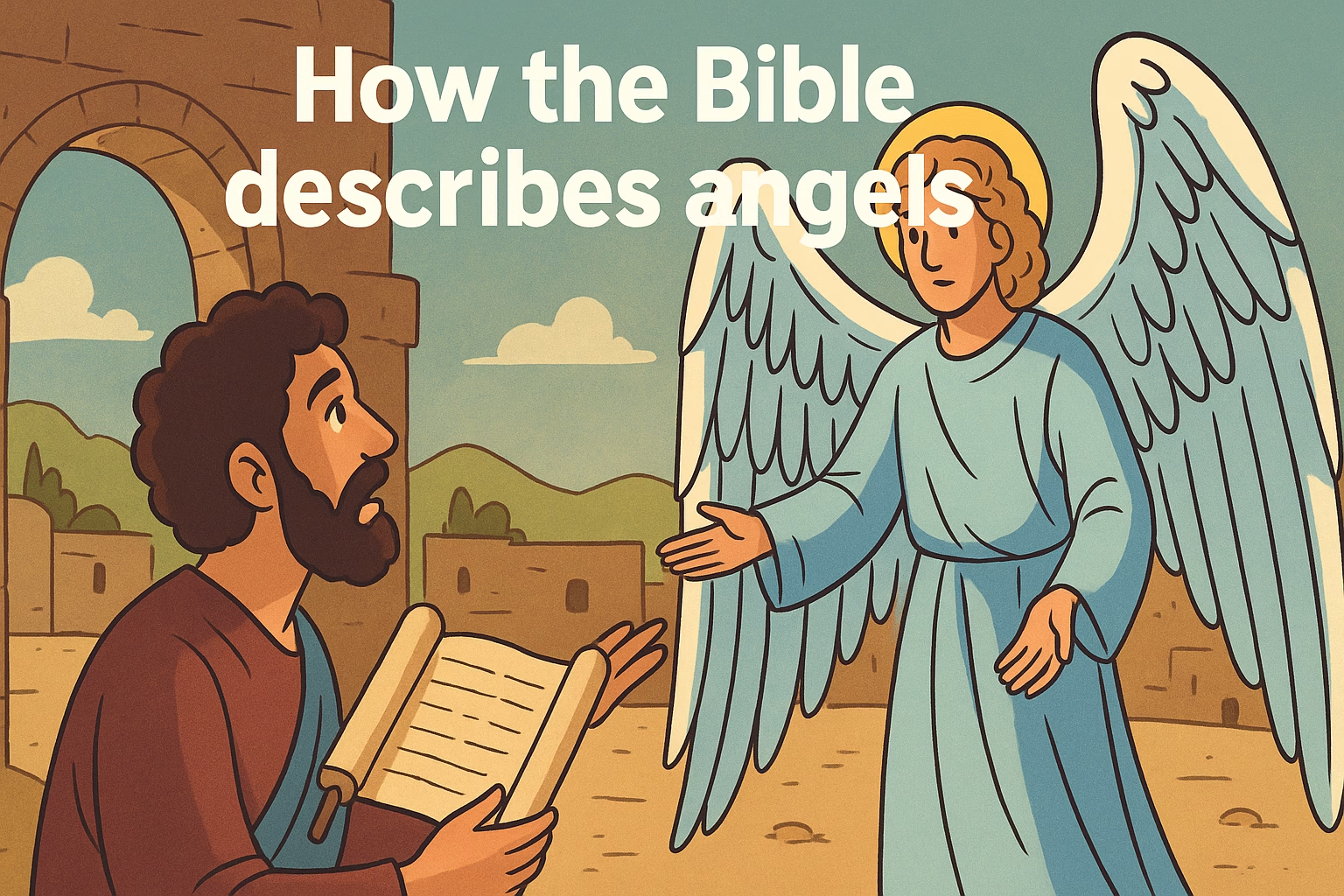
Angels are fascinating beings often mentioned in the Bible, and many people are curious about their nature, roles, and characteristics. Understanding what the Bible says about angels can deepen our appreciation for God’s creation and the spiritual realm. This article will explore the descriptions and functions of angels as presented in Scripture.
The Bible describes angels as spiritual beings created by God, often serving as His messengers and agents. They play significant roles in both the Old and New Testaments, appearing in various forms and fulfilling different purposes. Let’s delve into the biblical descriptions of angels, their appearances, their roles, and their interactions with humanity.
Nature and Characteristics of Angels
Angels are often depicted as spiritual beings, distinct from humans. In Psalm 104:4, it is stated, “He makes winds his messengers, flames of fire his servants,” which suggests their ethereal nature. They are not confined to physical bodies like humans, but they can take on visible forms when necessary.
In terms of their characteristics, angels are generally described as:
- Intelligent: Angels possess understanding and insight. For example, in Daniel 9:21-22, the angel Gabriel demonstrates knowledge of events and God’s plans.
- Powerful: Angels are depicted as strong beings. Psalm 103:20 states, “Praise the Lord, you his angels, you mighty ones who do his bidding, who obey his word.”
- Immortal: Angels do not experience death as humans do. Luke 20:36 notes that they “cannot die anymore” because they are like angels in heaven.
Types of Angels
The Bible mentions different types of angels, each with specific roles and characteristics. Here are a few notable categories:
Archangels
Archangels are high-ranking angels with significant authority. The most well-known archangel is Michael, mentioned in Jude 1:9 as one who contends with the devil. Michael is often associated with spiritual warfare and protection of God’s people.
Seraphim and Cherubim
Seraphim and cherubim are special classes of angels that are often depicted in heavenly visions. In Isaiah 6:2-3, seraphim are described as having six wings and are seen praising God in His throne room. Cherubim, on the other hand, are often associated with guarding sacred spaces, as seen in Genesis 3:24, where they are placed at the entrance of the Garden of Eden.
Roles and Functions of Angels
Angels serve various functions in the biblical narrative, acting as messengers, protectors, and worshippers of God. Here are some of their primary roles:
Messengers of God
One of the most common roles of angels is serving as messengers. The term “angel” itself comes from the Greek word “angelos,” meaning “messenger.” In Luke 1:26-38, the angel Gabriel delivers the message to Mary that she will conceive Jesus, highlighting angels’ role in communicating God’s plans.
Protectors and Guardians
Angels also provide protection for believers. In Psalm 91:11-12, it is stated, “For he will command his angels concerning you to guard you in all your ways.” This passage emphasizes the idea that angels watch over and guard those who trust in God.
Worshippers of God
Angels are depicted as worshippers who continually praise God. In Revelation 5:11-12, a multitude of angels is described as surrounding the throne, singing praises to the Lamb. This illustrates their role in the heavenly realm as beings dedicated to glorifying God.
Interactions with Humanity
Throughout the Bible, angels interact with humans in various ways. These interactions can be awe-inspiring and sometimes intimidating. Here are a few examples:
Guiding and Providing
In the book of Exodus, an angel serves as a guide for the Israelites during their journey in the wilderness. Exodus 23:20-21 states, “See, I am sending an angel ahead of you to guard you along the way and to bring you to the place I have prepared.” This shows how angels can guide and provide for God’s people.
Delivering Messages of Comfort
Angels also deliver messages of comfort and encouragement. After Jesus’ resurrection, angels appeared to the women at the tomb, delivering the message that He had risen (Matthew 28:5-6). This highlights their role in bringing hope and reassurance during difficult times.
Bringing Judgment
In some instances, angels are involved in executing God’s judgment. For example, in the story of Sodom and Gomorrah, angels were sent to carry out God’s judgment on the cities (Genesis 19). This demonstrates their authority and the seriousness of God’s commands.
In summary, the Bible provides a rich tapestry of descriptions and roles for angels, portraying them as powerful, intelligent, and spiritual beings created by God. Their interactions with humanity reveal their multifaceted roles as messengers, protectors, and worshippers. In the next part of this article, we will continue to explore more about angels, including their hierarchy, specific biblical encounters, and how believers can relate to these celestial beings.
Hierarchy of Angels
While the Bible does not provide an exhaustive hierarchy of angels, it does suggest a structure among them. This hierarchy can help us understand their roles and functions better. The concept of angelic hierarchy is often inferred from various passages that mention different ranks and types of angels.
One of the most common classifications includes:
- Archangels: As mentioned earlier, archangels are high-ranking angels with significant authority. Michael and Gabriel are the most recognized among them.
- Principalities: This category may refer to angels who oversee nations and territories, ensuring that God’s will is carried out in those areas.
- Powers: These angels are believed to have authority over demonic forces and spiritual warfare, protecting believers from evil influences.
- Virtues: Often associated with miracles and divine grace, virtues may assist in the administration of God’s providence.
- Dominions: They are thought to govern lower choirs of angels and oversee the execution of God’s orders.
This hierarchy is sometimes elaborated upon in Christian traditions, but it is important to note that the Bible does not provide a detailed outline. The emphasis remains on their roles in serving God and His purposes rather than on their ranks alone.
Specific Biblical Encounters with Angels
Throughout the Bible, there are notable encounters between angels and humans that reveal their nature and purpose. These accounts provide insight into how angels operate and interact with the world.
The Annunciation
One of the most significant angelic encounters is the Annunciation, where the angel Gabriel visits Mary to announce that she will give birth to Jesus (Luke 1:26-38). This event highlights the angel’s role as a messenger and the importance of divine intervention in human history.
Jacob’s Ladder
In Genesis 28:12, Jacob dreams of a ladder reaching to heaven, with angels ascending and descending on it. This vision illustrates the connection between heaven and earth, emphasizing that angels are actively involved in God’s plan and serve as intermediaries between the divine and humanity.
Daniel’s Visions
In the book of Daniel, angels play a crucial role in revealing God’s plans. For instance, Daniel receives visions and interpretations from the angel Gabriel (Daniel 9:21-22). These encounters demonstrate angels’ roles as guides in understanding God’s will and the unfolding of future events.
Angels in the New Testament
In the New Testament, angels continue to play vital roles, particularly in the ministry of Jesus and the early church. Their presence often signifies God’s involvement in significant events.
Angels at Jesus’ Birth
During the birth of Jesus, angels announce the good news to the shepherds (Luke 2:10-14). This moment emphasizes the joy and significance of Christ’s arrival, with angels celebrating the birth of the Savior.
Angels in the Early Church
After Jesus’ ascension, angels continue to be present in the early church. In Acts 12:7-10, an angel frees Peter from prison, highlighting their role in protecting and guiding the apostles as they spread the gospel. This incident illustrates the continued involvement of angels in the life of believers.
Angels and Spiritual Warfare
Spiritual warfare is another important aspect of angelic activity. The Bible teaches that there is a spiritual battle between good and evil forces, and angels are part of this conflict.
In Ephesians 6:12, Paul reminds believers that our struggle is not against flesh and blood but against spiritual forces of evil. This passage underscores the reality of the unseen spiritual realm, where angels and demons engage in conflict. Angels, particularly archangels like Michael, are depicted as warriors who fight for God’s kingdom (Revelation 12:7-9).
Understanding Angels Today
For many believers, the role of angels can sometimes be misunderstood or overly romanticized. While it is essential to recognize their significance in Scripture, it is equally important to remember that our focus should ultimately be on God. Angels serve to glorify Him and fulfill His purposes, not to be worshipped themselves.
Many Christians find comfort in the belief that angels are watching over them and providing guidance. However, it is vital to approach this belief with a balanced perspective. The Bible encourages believers to seek God directly for guidance and support, as He is the ultimate source of help and protection.
Conclusion
In conclusion, the Bible offers a multifaceted view of angels, describing them as powerful, intelligent beings created by God. Their roles as messengers, protectors, and worshippers reveal their importance in both the heavenly and earthly realms. Understanding angels can enhance our appreciation for God’s creation and the spiritual dynamics at play in our lives. As we continue to grow in our faith, let us remember that while angels play significant roles, our ultimate trust and worship belong to God alone.
For further exploration of biblical themes, consider reading about the role of the Holy Spirit and spiritual warfare in the Bible.