
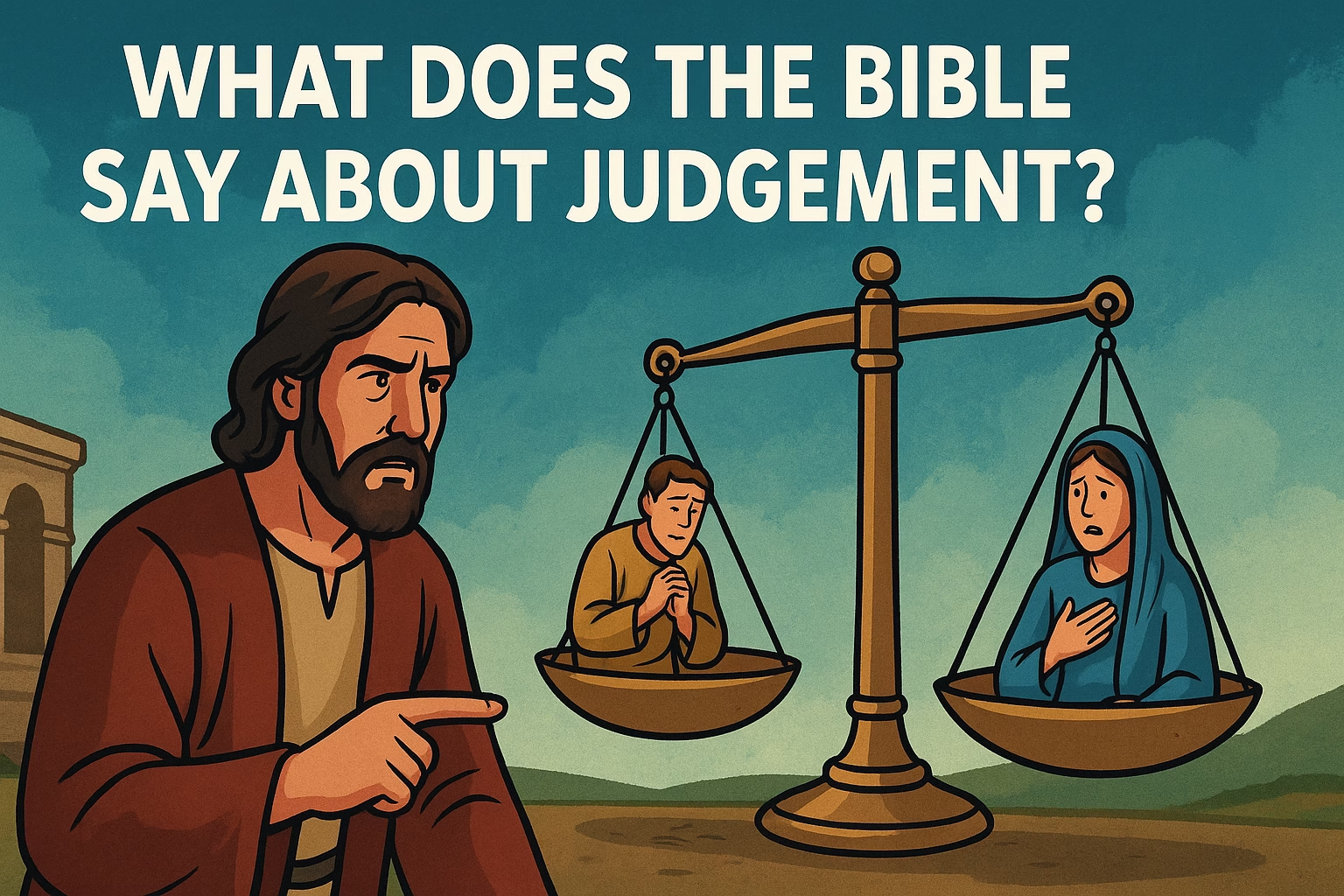
The concept of judgment is a significant theme throughout the Bible, reflecting God’s justice, mercy, and the moral order of the universe. Understanding what the Bible says about judgment can help believers and seekers alike navigate their faith and moral decisions. This article will explore key scripture passages and themes related to judgment, providing insight into its implications for individuals and humanity as a whole.
Judgment, as described in the Bible, encompasses both divine judgment and human judgment. It involves assessing right from wrong and determining consequences based on actions and faith. The Bible presents judgment as an essential part of God’s character and a vital aspect of human experience.
Divine Judgment in the Old Testament
In the Old Testament, divine judgment often manifests through the actions of God towards nations and individuals. The narrative of the flood in Genesis 6-9 showcases God’s judgment against a corrupt world. God decided to cleanse the earth due to the wickedness of humanity, sparing only Noah and his family. This event illustrates God’s righteousness in addressing sin while also demonstrating His mercy through salvation.
Another prominent example is the destruction of Sodom and Gomorrah in Genesis 19. God judged these cities for their grave sinfulness, highlighting the principle that unrepentant sin leads to judgment. However, even within judgment, God showed mercy by allowing Lot and his family to escape.
The Role of Prophets
Throughout the Old Testament, prophets played a crucial role in communicating God’s judgment. They warned the people of impending judgment due to their disobedience. For instance, the prophet Jeremiah proclaimed God’s judgment against Judah for their idolatry and failure to follow God’s commandments (Jeremiah 25:4-7).
These warnings served as both a call to repentance and a reminder of God’s justice. The prophets emphasized that judgment was not only punitive but also aimed at restoration and reconciliation with God. This dual aspect of judgment reflects God’s desire for His people to turn back to Him.
Judgment in the New Testament
The New Testament continues the theme of judgment, particularly through the teachings of Jesus. In Matthew 7:1-5, Jesus cautions against hypocritical judgment, urging individuals to examine their own faults before judging others. His teaching emphasizes the importance of humility and self-reflection in the process of judgment.
Moreover, Jesus spoke of a final judgment in passages such as Matthew 25:31-46, where He describes the separation of the righteous from the unrighteous at the end of time. This parable illustrates that judgment is not arbitrary but based on one’s actions and treatment of others, particularly the marginalized and needy.
The Nature of God’s Judgment
God’s judgment is characterized by several key attributes. First, it is righteous and just. Psalm 9:7-8 emphasizes that God rules the world with justice, judging nations fairly. This assurance of divine justice provides comfort to believers, knowing that God sees and addresses wrongdoing.
Second, God’s judgment is also merciful. While He is just, He offers forgiveness and grace through Jesus Christ. John 3:16-17 states that God sent His Son not to condemn the world but to save it. This illustrates that judgment in God’s eyes is intertwined with His longing for reconciliation with humanity.
Human Judgment and Accountability
In addition to divine judgment, the Bible addresses human judgment and accountability. Romans 14:10-12 reminds believers that each person will give an account of themselves to God. This teaching underscores the importance of living a life that reflects God’s values and principles.
Furthermore, the concept of sowing and reaping is prevalent in Scripture. Galatians 6:7-8 warns that whatever one sows, they will also reap. This principle serves as a reminder that our actions have consequences, both in this life and in the context of divine judgment.
Judgment and the Believer’s Life
For believers, judgment is not merely a future event but a present reality. 1 Peter 4:17 indicates that judgment begins with the household of God, meaning that Christians are called to live righteously and in accordance with God’s teachings. This call to holiness is not just about avoiding sin but also about actively pursuing a life that honors God and reflects His love to others.
Additionally, 2 Corinthians 5:10 speaks of the judgment seat of Christ, where believers will be evaluated based on their deeds. This passage emphasizes that while salvation is a gift, the quality of one’s life and service will be assessed, encouraging believers to live purposefully and faithfully.
Conclusion
Understanding judgment through the lens of Scripture reveals its complexity and depth. It serves as a reminder of God’s justice, mercy, and the moral accountability of humanity. As we explore further, we will delve into practical implications and how believers can navigate the concept of judgment in their daily lives.
Judgment and the Concept of Grace
In exploring judgment, it is essential to understand the concept of grace as it relates to God’s judgments. Grace, defined as unmerited favor from God, plays a crucial role in how judgment is understood within the Christian faith. Ephesians 2:8-9 emphasizes that salvation is a gift from God, not something we can earn through our deeds. This grace is foundational to the Christian belief that while we are all deserving of judgment due to sin, God offers forgiveness through Christ.
This intersection of grace and judgment highlights a critical aspect of God’s character. Rather than being solely punitive, God’s judgment invites individuals to recognize their need for grace and transformation. Romans 5:20 illustrates that where sin increases, grace abounds even more. This does not diminish the seriousness of sin but rather emphasizes God’s willingness to forgive and restore those who genuinely repent.
Judgment and the End Times
Judgment is also a central theme in eschatology, the study of end times. The Bible describes a final judgment where all humanity will stand before God. Revelation 20:11-15 depicts this scene as the Great White Throne Judgment, where the dead are judged according to what they have done. This sobering image serves as a reminder of the eternal consequences of our choices in life.
Understanding this aspect of judgment encourages believers to live with an eternal perspective. Knowing that their actions have lasting implications beyond this life motivates Christians to share the message of grace and salvation with others. It also fosters a sense of urgency in living out their faith authentically and passionately.
Judgment and Community Accountability
In addition to personal accountability, the Bible emphasizes the role of community in judgment. Galatians 6:1 encourages believers to restore those caught in sin with a spirit of gentleness. This highlights that judgment should not be isolated but exercised within the context of community. Christians are called to help one another grow in faith, holding each other accountable in love and truth.
The church, as a community of believers, has a responsibility to uphold biblical standards of morality and righteousness. Matthew 18:15-17 outlines a process for confronting sin within the church, emphasizing that judgment should lead to restoration rather than condemnation. This approach reflects God’s desire for His people to live in harmony and mutual support.
Self-Examination and Spiritual Growth
Self-examination is a vital aspect of understanding judgment. 2 Corinthians 13:5 urges believers to examine themselves to see whether they are in the faith. This practice of reflection allows individuals to assess their spiritual condition and alignment with God’s will. Through self-examination, Christians can identify areas for growth and transformation, fostering a deeper relationship with God.
Moreover, the act of self-examination should lead to humility and a recognition of one’s own need for grace. As believers confront their flaws and shortcomings, they are reminded of the mercy they have received and are encouraged to extend that same grace to others. This cycle of judgment and grace cultivates a spirit of compassion within the community of faith.
Judgment in the Context of Suffering
Another significant aspect to consider is how judgment relates to suffering. The Bible acknowledges that suffering is often a consequence of living in a fallen world. However, it also teaches that suffering can serve as a means of refining character and faith. James 1:2-4 encourages believers to consider it pure joy when facing trials, as these tests produce perseverance and maturity.
In this way, suffering can be seen as a form of judgment that leads to personal growth. It is important to differentiate between suffering as a result of personal sin and suffering that is part of the human experience. Understanding this distinction can help believers navigate their own trials and offer compassion to those who are suffering, recognizing that judgment can lead to restoration and deeper faith.
Conclusion
Judgment, as portrayed in the Bible, is a multifaceted concept that encompasses divine justice, human accountability, grace, and community support. It serves as a reminder of the moral order established by God and the importance of living in accordance with His teachings. By understanding the implications of judgment, believers can navigate their lives with a sense of purpose, grace, and an awareness of the eternal consequences of their actions.
As we reflect on the biblical narrative surrounding judgment, it becomes clear that it is not merely about condemnation but rather an invitation to experience God’s grace and to live in a way that honors Him and serves others.
For more insights on related themes, you can read about how judgment relates to suffering in this article on suffering, and explore a broader discussion on judgment in the Bible by visiting this link.