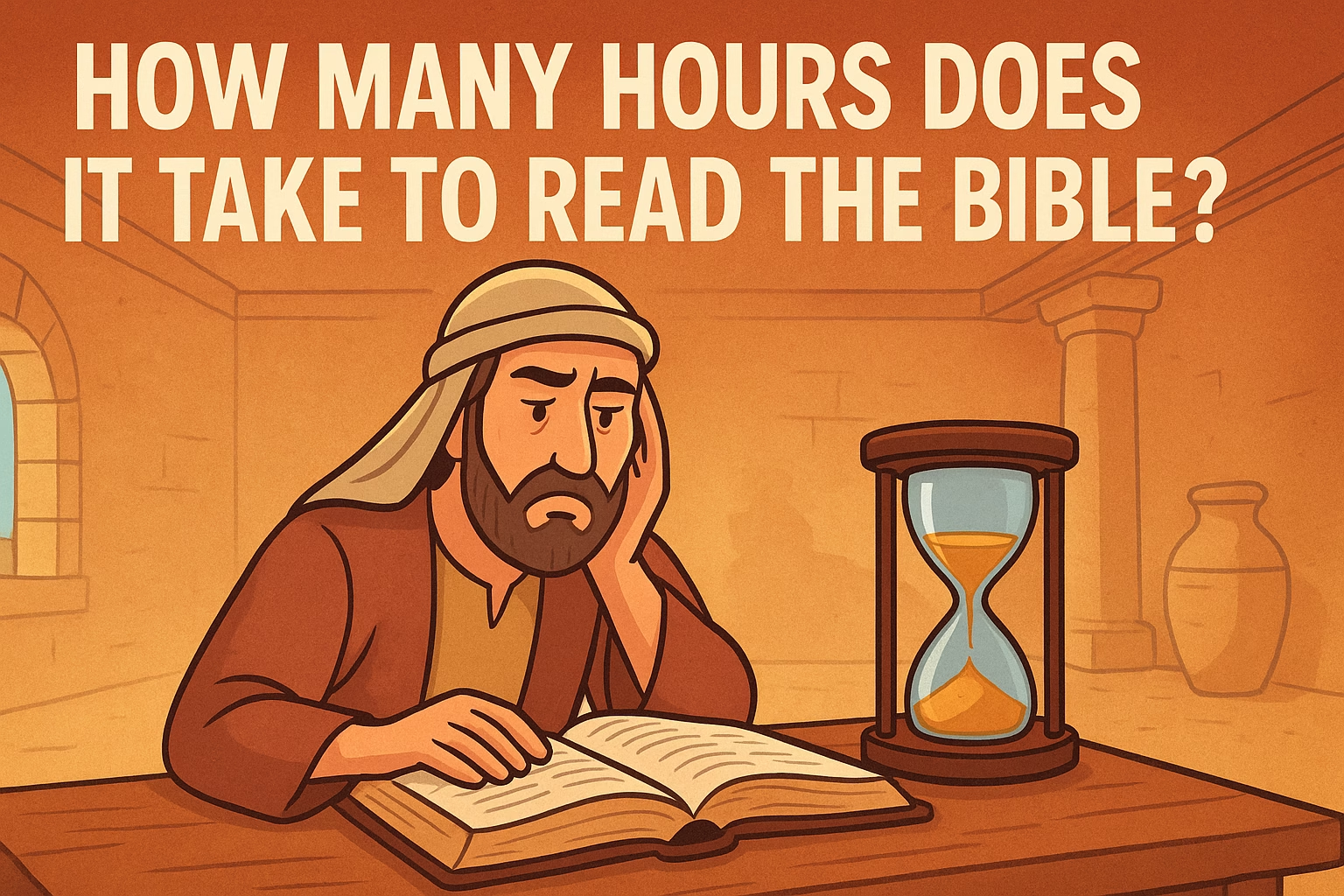
Many people wonder how long it would take to read the entire Bible. This question often arises for those who seek to deepen their faith or simply wish to explore the Scriptures more thoroughly. Understanding how many hours it takes to read the Bible can help individuals set realistic goals for their reading plans and spiritual growth.
On average, it takes approximately 70 to 80 hours to read the Bible from cover to cover. This estimate is based on the average reading speed of about 250 to 300 words per minute and the total word count of the Bible, which is around 783,000 words. However, this time can vary significantly depending on your reading speed, comprehension, and whether you take breaks for reflection or study.
Breaking Down the Bible’s Structure
The Bible is divided into two main sections: the Old Testament and the New Testament. The Old Testament contains 39 books, while the New Testament has 27 books. Each book varies in length, style, and complexity, which can affect how long it takes to read them. Here’s a brief overview of what you can expect:
- Old Testament: This section is significantly longer, comprising books like Genesis, which has 50 chapters, and Psalms, which has 150 chapters.
- New Testament: While shorter, the New Testament includes important texts such as the Gospels and the letters of Paul, which are rich in theological content.
As you can see, the length and style of each book can influence your reading speed. For instance, narrative books like Genesis or Exodus may read faster than the more complex theological writings found in Romans or Hebrews.
Reading Plans and Approaches
When considering how to tackle reading the Bible, various plans can help you manage your time effectively. Here are a few popular approaches:
Chronological Reading Plan
This plan arranges the Bible in the order events occurred. It can take about a year to read through the Bible using this method, with daily readings averaging around 15 to 20 minutes. This approach helps readers understand the historical context and flow of the narrative.
Canonical Reading Plan
This traditional method involves reading the Bible in the order it is arranged in the canon. This can also take about a year, with daily readings of 3 to 4 chapters. It allows readers to engage with the text as it was historically compiled.
Topical Reading Plans
Some readers prefer focusing on specific themes or topics, such as love, faith, or redemption. These plans vary greatly in length and can take anywhere from a few weeks to several months, depending on the depth of study and the number of passages included.
Factors Affecting Reading Time
Several factors can influence how long it takes to read the Bible:
- Reading Speed: Individuals read at different speeds. Some may absorb the material quickly, while others may take their time to reflect on and understand the text.
- Comprehension: The Bible contains complex themes and language that may require additional time for comprehension. Many readers benefit from taking notes or using study guides to enhance understanding.
- Distractions: External factors such as environment and interruptions can also affect reading time. Finding a quiet place to read may enhance focus and reduce the time spent reading.
Engaging with the Text
Reading the Bible is not just about the number of hours spent; it’s also about engaging with the text. Many readers find that taking time to meditate on verses or passages can deepen their understanding and relationship with God. For instance, Psalm 119:11 states, “I have hidden your word in my heart that I might not sin against you.” This verse highlights the importance of not just reading but internalizing Scripture.
Reflective Reading
Reflective reading involves pausing to consider what the text means in a personal context. This can add time to your reading sessions but often results in a more meaningful experience. Many people choose to journal their thoughts or discuss them with others to enhance their understanding.
Group Studies
Participating in group Bible studies can also influence how one reads the Bible. Group discussions can lead to deeper insights, but they may extend the overall time spent on specific passages. Engaging with others allows for diverse perspectives and can enrich the study experience.
In summary, while the average time to read the Bible is about 70 to 80 hours, individual experiences will vary based on several factors such as reading speed, comprehension, and the approach one takes. Understanding these elements can help you create a reading plan that fits your schedule and enhances your spiritual journey.
Understanding the Context of the Bible
To truly appreciate the Bible and its teachings, it’s essential to understand the historical and cultural context in which it was written. The Bible spans thousands of years and includes various genres, such as poetry, history, prophecy, and letters. Recognizing these contexts can significantly impact how one interprets the text.
For instance, the Old Testament was written during a time when ancient Israel was establishing its identity as a nation. The laws, rituals, and narratives reflect the cultural practices and societal norms of that era. In contrast, the New Testament was written in a Greco-Roman world, addressing early Christian communities facing different challenges and questions about faith and practice.
The Importance of Biblical Context
Understanding the context helps readers grasp the intended messages of the authors. For example, when reading the parables of Jesus, knowing the audience and the societal issues of that time can provide clarity on why certain stories were told. It can also illuminate how these teachings apply to modern life.
Follow-Up Questions for Deeper Reflection
After reading the Bible or even specific passages, it can be beneficial to ask follow-up questions that provoke deeper thought and reflection. Here are a few examples:
- What does this passage reveal about God’s character? Reflecting on this can help readers understand the nature of God and His relationship with humanity.
- How does this scripture apply to my life today? Finding personal relevance in biblical texts encourages practical application of faith in everyday situations.
- What are the cultural and historical factors influencing this text? Delving into the background can enhance comprehension and appreciation of the message.
- What questions or doubts does this passage raise for me? Engaging with uncertainties can lead to more profound exploration and understanding.
The Role of Prayer and Meditation
Incorporating prayer and meditation into Bible reading can transform the experience. Many believers find that seeking God’s guidance before and after reading can open their hearts to new insights. For example, asking for wisdom or clarity can make the text come alive and resonate more deeply.
Meditation on specific verses can lead to personal growth and a more profound connection with God. Setting aside time to ponder these ideas allows the truths of Scripture to settle in the heart and mind.
Using Study Tools
Various study tools and resources can enhance understanding and engagement with the Bible. These may include:
- Commentaries: These provide explanations and insights from biblical scholars, helping readers understand difficult passages.
- Study Bibles: These often include notes, maps, and cross-references that can provide context and clarity.
- Online Resources: Websites and apps offer devotionals, reading plans, and discussion forums that can enrich the reading experience.
Making Time for Bible Reading
Finding time to read the Bible can be challenging in today’s fast-paced world. However, prioritizing this sacred practice can yield significant spiritual benefits. Here are some practical tips for incorporating Bible reading into a busy schedule:
- Set a Consistent Time: Designate a specific time each day for Bible reading, whether in the morning, during lunch, or before bed.
- Start Small: If 70 hours seems daunting, begin with a few minutes each day and gradually increase your reading time.
- Use Audio Bibles: Listening to the Bible can be a convenient way to absorb the text while commuting or doing household chores.
- Join a Reading Group: Having accountability through a group can encourage consistent reading and provide a supportive environment.
Conclusion: Embracing the Journey
Reading the Bible is not just about completing a task; it is a journey of spiritual growth and understanding. While it may take around 70 to 80 hours to read the Bible, the time spent engaging with its rich teachings can have a transformative impact on one’s faith and life. Embrace this journey with an open heart, and allow the Scriptures to shape your understanding of God, yourself, and the world around you.
For further insights on how long it takes to read the Bible, check out this article on how long it takes to read the whole Bible. If you’re interested in practical tips for engaging with Bible verses, you can find helpful resources in this article on how to read Bible verses.