
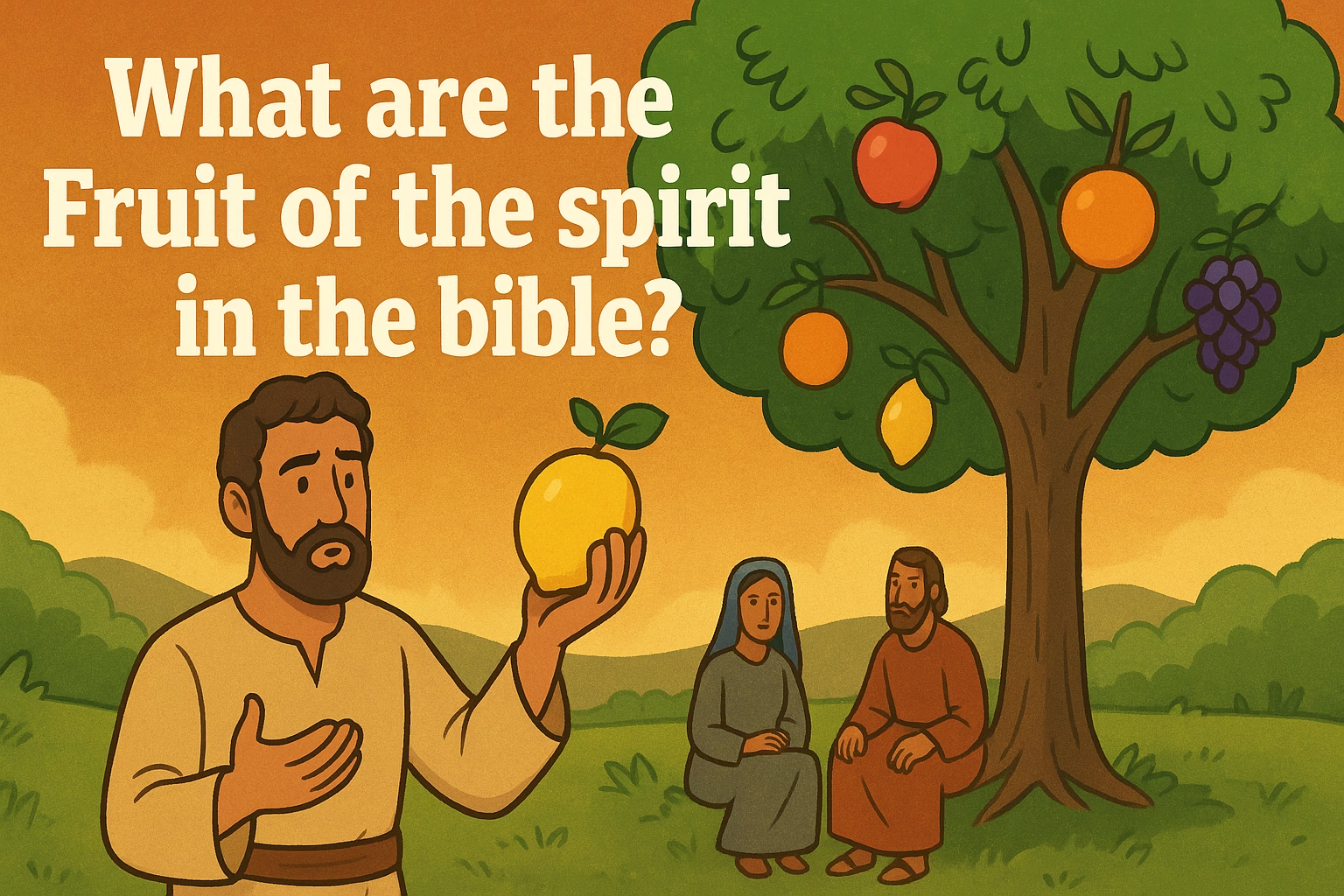
The concept of the “fruit of the Spirit” is a vital part of Christian doctrine, illustrating the characteristics that should be evident in the lives of believers as they walk in accordance with the Holy Spirit. Understanding these traits not only enriches personal faith but also enhances relationships within the Christian community. In this article, we will explore what the fruit of the Spirit entails, as outlined in the Bible, and how these attributes can manifest in our daily lives.
The fruit of the Spirit is specifically mentioned in Galatians 5:22-23, where the Apostle Paul writes about the characteristics that are produced in the life of a believer who lives in harmony with the Holy Spirit. These fruits serve as indicators of spiritual maturity and alignment with God’s will. The passage lists nine specific attributes: love, joy, peace, patience, kindness, goodness, faithfulness, gentleness, and self-control. Let’s delve deeper into each of these qualities.
Understanding the Fruit of the Spirit
The Context of Galatians
To fully appreciate the fruit of the Spirit, it is essential to understand the context of the book of Galatians. Paul wrote this letter to address issues of legalism and to reaffirm the importance of faith in Christ over adherence to the law. He emphasizes that true freedom and spiritual life come through the Holy Spirit, not through human effort. The fruit of the Spirit serves as evidence of that spiritual life.
The Nine Attributes Explained
Each of the nine attributes of the fruit of the Spirit represents a unique aspect of the Christian character that should be cultivated in a believer’s life. Below, we will explore each one in detail:
- Love: Love is the foundational fruit of the Spirit. It is an unconditional, selfless affection that seeks the well-being of others. In John 13:34-35, Jesus commands His followers to love one another as a testament to their discipleship.
- Joy: Joy is a deep-rooted sense of gladness that transcends circumstances. It is not merely happiness based on external factors but an inner contentment that comes from knowing God. Philippians 4:4 encourages believers to rejoice in the Lord always.
- Peace: Peace refers to a state of tranquility and harmony, both within oneself and in relationships with others. It is a gift from God that guards our hearts and minds (Philippians 4:7) and is essential for unity in the body of Christ.
- Patience: Patience, or long-suffering, is the ability to endure difficult situations or people without becoming frustrated. It reflects God’s own patience with humanity and encourages believers to extend grace to others (Ephesians 4:2).
- Kindness: Kindness is the quality of being friendly, generous, and considerate. It involves actively doing good for others, reflecting God’s kindness towards us (Titus 3:4-5).
- Goodness: Goodness embodies moral excellence and virtue. It is the desire to see others thrive and to do what is right in the eyes of God. This quality encourages believers to act justly and to live according to God’s standards (Romans 15:14).
- Faithfulness: Faithfulness means being reliable and trustworthy. It reflects loyalty to God and commitment to His promises. Believers are called to be faithful in their service and relationships, mirroring God’s faithfulness to us (1 Corinthians 4:2).
- Gentleness: Gentleness is the quality of being humble and meek, not harsh or abrasive. It involves treating others with respect and care, which can lead to more effective communication and relationship building (Philippians 4:5).
- Self-Control: Self-control is the ability to govern one’s desires and impulses. It is crucial for resisting temptation and making choices that align with God’s will. Proverbs 25:28 compares a person without self-control to a city without walls, highlighting the importance of this virtue.
The Role of the Holy Spirit
The fruit of the Spirit is not something that believers can produce on their own. Instead, it is a result of the Holy Spirit’s work in a person’s life. When someone places their faith in Christ, they receive the Holy Spirit, who begins to transform them from the inside out. This transformation is a lifelong process known as sanctification, where the believer grows in their relationship with God and becomes more like Christ.
In John 15:5, Jesus uses the metaphor of a vine and branches to illustrate this relationship: “I am the vine; you are the branches. Those who remain in me, and I in them, will produce much fruit.” This means that as believers stay connected to Christ through prayer, studying the Word, and fellowship, the Holy Spirit will produce these fruits in their lives.
Living Out the Fruit of the Spirit
Understanding the fruit of the Spirit is one thing, but living it out in daily life is another challenge altogether. Here are some practical ways to cultivate these qualities:
- Prayer: Regular communication with God helps to strengthen your relationship with Him and invites the Holy Spirit to work in your life.
- Scripture Study: Engaging with the Bible helps to align your thoughts and actions with God’s will and provides guidance on how to exhibit the fruit of the Spirit.
- Community: Surrounding yourself with fellow believers encourages accountability and support as you strive to embody these qualities.
- Intentionality: Make a conscious effort to practice love, kindness, and patience in your interactions with others. Reflect on how you can be a better witness of Christ’s love.
As we continue to explore the fruit of the Spirit, we will examine how these attributes can impact our relationships and the broader community.
The Impact of the Fruit of the Spirit on Relationships
The fruit of the Spirit is not just for individual believers but has profound implications for relationships within the Christian community and beyond. When believers embody these qualities, they create an environment that fosters love, understanding, and unity. This is particularly important in a world often marked by division and strife.
For instance, love, as the foremost fruit, encourages believers to prioritize others’ needs above their own. This can lead to deeper relationships and a stronger sense of community. Joy and peace can help diffuse conflicts, as individuals who exhibit these qualities are less likely to engage in arguments and more likely to seek reconciliation. Patience and kindness enable believers to navigate disagreements with grace and humility, encouraging a spirit of forgiveness and understanding.
Moreover, the fruit of the Spirit can influence how believers interact with non-believers. By exemplifying these attributes, Christians can serve as a light in the world, drawing others to Christ. The Apostle Peter encourages believers to be prepared to give an answer for their hope, doing so with gentleness and respect (1 Peter 3:15-16). This approach not only reflects the character of Christ but also demonstrates the transformative power of the Holy Spirit in a believer’s life.
The Community Aspect of the Fruit
In addition to personal relationships, the fruit of the Spirit plays a significant role in the broader church community. Believers are called to work together, using their unique gifts and strengths to build up the body of Christ. When the fruit of the Spirit is evident in the church, it fosters an atmosphere of cooperation and mutual support.
For example, faithfulness in service can inspire others to contribute their time and talents to church activities and outreach programs. Goodness encourages believers to engage in acts of service that benefit both the church and the surrounding community, while gentleness can create a safe space for individuals to express their struggles and seek help.
Furthermore, when a church collectively embodies the fruit of the Spirit, it can become a powerful witness to the outside world. A community marked by love, joy, and peace can attract those who are searching for hope and belonging. This is why it is crucial for church leaders and congregants alike to strive for these attributes in their interactions and activities.
Challenges in Cultivating the Fruit
While the fruit of the Spirit is a beautiful ideal, cultivating these qualities can be challenging. Believers often face circumstances that test their patience, love, and self-control. It is important to recognize that this struggle is a normal part of the Christian journey. The process of becoming more like Christ is gradual and requires ongoing effort and reliance on the Holy Spirit.
One common obstacle is the influence of the world, which often promotes values contrary to the fruit of the Spirit. For instance, society may emphasize self-interest over selflessness, leading to a clash between Christian values and cultural norms. In such situations, believers should remain steadfast in their commitment to embodying the fruit of the Spirit, drawing strength from prayer and Scripture.
Additionally, personal struggles such as stress, anxiety, and past traumas can hinder one’s ability to express the fruit of the Spirit. It is essential for believers to seek support from their community, engage in spiritual disciplines, and allow the Holy Spirit to heal and transform their hearts. By doing so, they can gradually overcome these challenges and grow in their ability to reflect Christ’s character.
Reflecting on the Fruit of the Spirit in Daily Life
As believers, it is beneficial to regularly reflect on the fruit of the Spirit and how they manifest in our lives. Here are some questions to consider:
- Which fruit of the Spirit do I find the most challenging to exhibit, and why?
- How can I invite the Holy Spirit to work more deeply in my life to cultivate these qualities?
- In what ways can I practice the fruit of the Spirit in my relationships with family, friends, and coworkers?
- How can I encourage others in my community to grow in their expression of the fruit of the Spirit?
By thoughtfully engaging with these questions, believers can assess their spiritual growth and take intentional steps toward living out the fruit of the Spirit in their daily lives.
Conclusion: The Ongoing Journey of Cultivating the Fruit
The fruit of the Spirit represents the character of Christ and serves as a guiding principle for believers in their walk of faith. Cultivating these attributes requires a commitment to the transformative work of the Holy Spirit, along with an active engagement in prayer, Scripture study, and community support. As believers strive to embody these qualities, they not only grow in their relationship with God but also positively impact the lives of those around them.
Ultimately, the fruit of the Spirit is a testimony to God’s work in our lives, enabling us to reflect His love and grace in a world that desperately needs it. By remaining connected to Christ, we can bear much fruit and fulfill our calling as His disciples.
For further insights on kindness and gratitude, consider exploring these articles: what the Bible says about kindness and what the Bible says about gratitude.