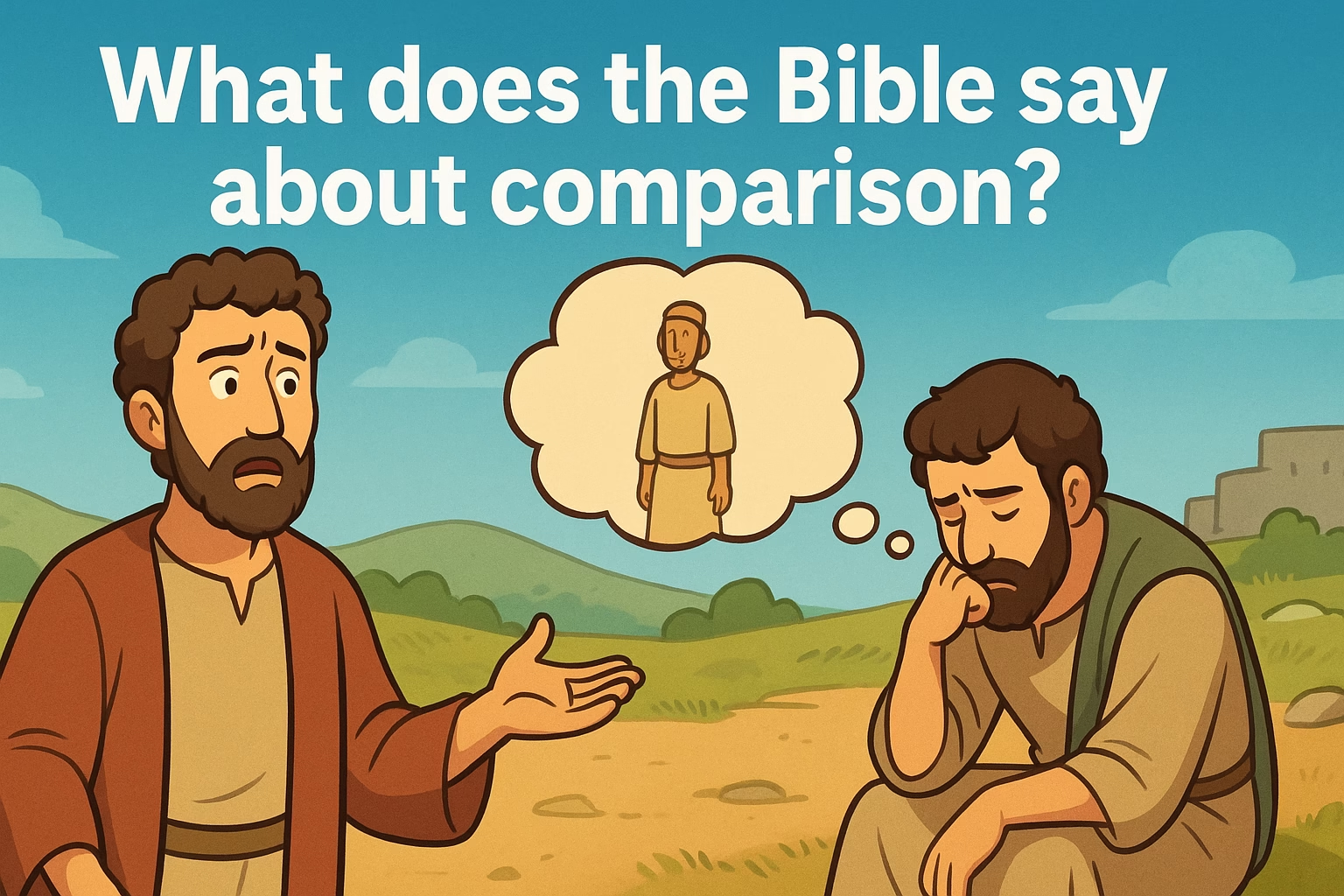
In a world filled with social media and constant exposure to others’ lives, comparison has become an everyday struggle for many. The desire to measure ourselves against others can lead to feelings of inadequacy or pride, depending on the outcome. But what does the Bible say about comparison? This article explores various scriptural insights and teachings that shed light on this common human experience.
The Bible provides a clear perspective on comparison and its implications. It teaches that comparing ourselves to others can lead to pride, envy, and discontent. Instead, we are encouraged to focus on our individual relationship with God and to recognize our unique roles within His plan.
Understanding the Dangers of Comparison
One of the most significant warnings against comparison is found in Galatians 6:4-5, where Paul writes, “Pay careful attention to your own work, for then you will get the satisfaction of a job well done, and you won’t need to compare yourself to anyone else. For we are
The Root Causes of Comparison
Understanding why we compare ourselves to others can help us address the underlying issues. Often, comparison stems from insecurity or a lack of self-worth. When we feel inadequate in our abilities, accomplishments, or appearance, the temptation to compare ourselves with others can become overwhelming.
In 2 Corinthians 10:12, Paul warns against the folly of measuring ourselves by others. He emphasizes that those who compare themselves to others are not wise. This suggests that when we focus on others, we might overlook our God-given purpose and the unique talents He has bestowed upon us.
Comparison and Its Impact on Relationships
Comparison can also affect our relationships with others. When we constantly evaluate our worth against friends, family, or even strangers, it can lead to resentment or jealousy. This can hinder our ability to celebrate others’ successes or to form genuine connections. Instead of fostering a spirit of unity, comparison breeds division.
In Romans 12:15, Paul instructs us to “Rejoice with those who rejoice, and weep with those who weep.” This verse highlights the importance of empathy and support in our relationships. By focusing on the joy and struggles of others instead of comparing ourselves to them, we cultivate deeper connections and a more loving community.
Focusing on Our Identity in Christ
The Bible encourages believers to find their identity in Christ rather than in comparison with others. In Ephesians 2:10, we read that we are God’s masterpiece, created for good works. This truth can help us shift our focus from what others are doing to what God has called us to do.
When we grasp our identity as children of God, we begin to see ourselves through His eyes. This perspective frees us from the shackles of comparison and allows us to embrace our unique journey. We can appreciate our individual gifts and contributions to the body of Christ, as outlined in 1 Corinthians 12, where Paul describes the church as a body made up of many parts, each with its own role and function.
Transforming Comparison into Encouragement
Instead of allowing comparison to lead to negative feelings, we can transform it into a source of encouragement. When we see someone excelling in an area we are passionate about, we can view it as inspiration rather than competition. In Hebrews 10:24-25, we are reminded to motivate one another to love and good works. This calls us to uplift and support our fellow believers instead of tearing them down through envy.
By celebrating the successes of others, we cultivate a spirit of gratitude and community. This shift in mindset can lead to a more fulfilling and joyful experience, both in our personal lives and in our relationships with others.
Guarding Against Comparison in a Digital Age
In today’s digital age, the temptation to compare ourselves to others has intensified. Social media platforms often portray curated versions of life that can lead to unrealistic expectations. The Bible’s wisdom remains relevant as we navigate these challenges. Philippians 4:8 encourages us to focus on things that are true, honorable, just, pure, lovely, and commendable. By intentionally choosing what we consume, we can protect our hearts and minds from the pitfalls of comparison.
Setting boundaries around our social media use can be beneficial. We can choose to follow accounts that inspire and uplift us rather than those that foster feelings of inadequacy. Engaging with content that aligns with our values can help us maintain a healthy perspective.
Seeking Contentment in God’s Provision
Ultimately, the Bible teaches us to find contentment in God’s provision for our lives. In Philippians 4:11-13, Paul speaks about learning to be content in every situation, whether in plenty or in want. This contentment stems from trusting in God’s plan and believing that He equips us with everything we need for our journey.
When we focus on God’s faithfulness and provision, we can step back from the urge to compare ourselves with others. This trust allows us to appreciate our own blessings and to recognize that our worth is not tied to our achievements or the approval of others.
Reflecting on Our Comparisons
As we consider the impact of comparison in our lives, it is essential to reflect on our thoughts and feelings. Are we often measuring ourselves against others? What emotions arise when we do? Taking time to journal or pray about these feelings can provide clarity and help us understand the root causes of our comparisons.
Additionally, asking ourselves how we can encourage others instead of comparing ourselves can lead to positive change. How can we celebrate the victories of those around us? What steps can we take to foster a supportive community? These questions can guide us toward a more Christ-centered approach to our relationships and self-perception.
Conclusion: Embracing Our Unique Journey
In a world that often encourages comparison, the Bible offers a refreshing perspective. By focusing on our identity in Christ, celebrating others, and seeking contentment in God’s provision, we can resist the temptations of comparison. Ultimately, we are called to embrace our unique journey and to trust in God’s plan for our lives. As we do so, we can foster a spirit of gratitude and unity that reflects the love of Christ to those around us.
For further insights on how to navigate comparison and cultivate a positive mindset, you may find these articles helpful: discovering your identity in Christ and building a supportive community.